
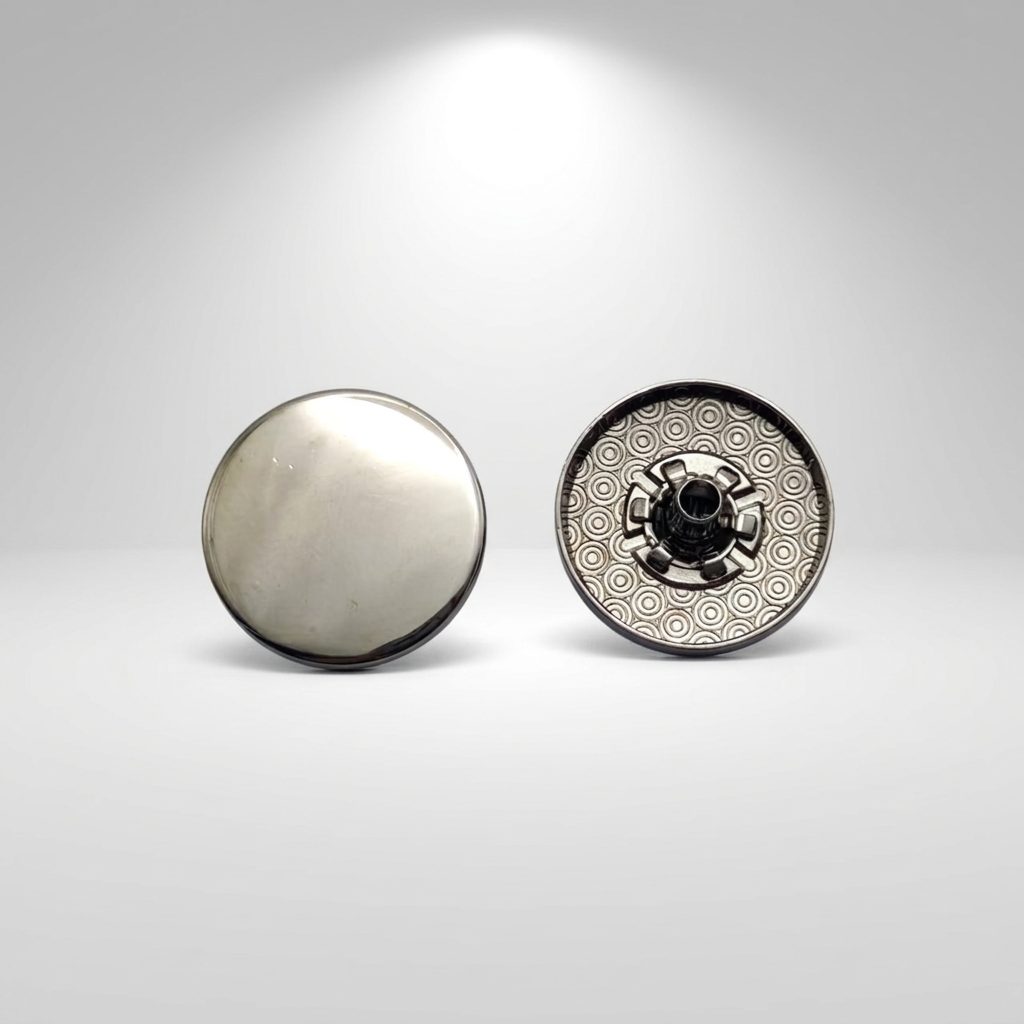
 HW-P-008
Metal Snap Button
Brass / Iron
View specificationsSnap buttons and press fasteners for garments, babywear and accessory projects.
HW-P-008Brass / Iron
View specifications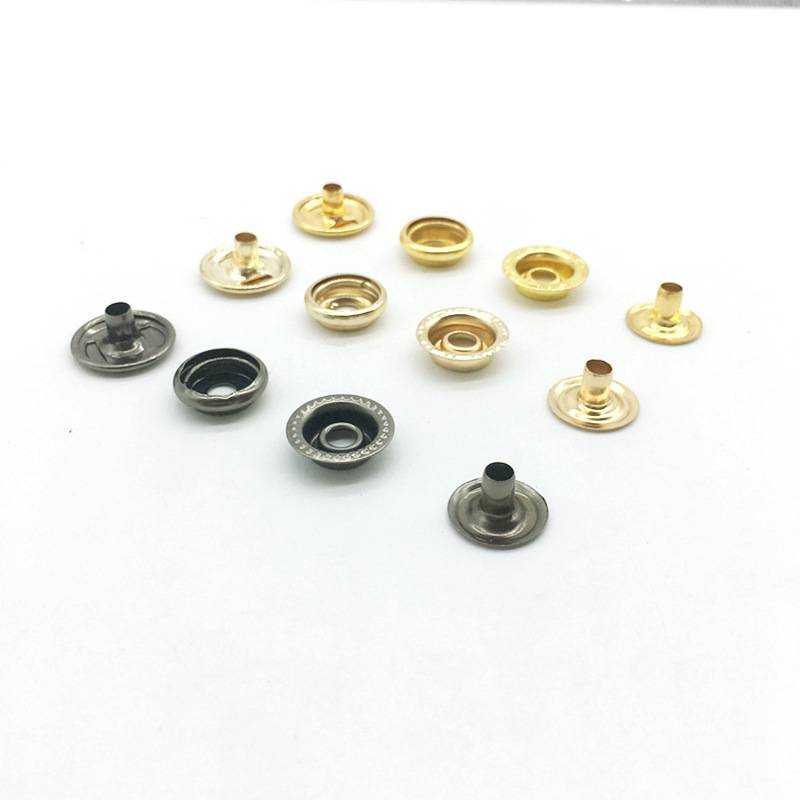 HW-P-034
Brass / Zinc alloy
View specifications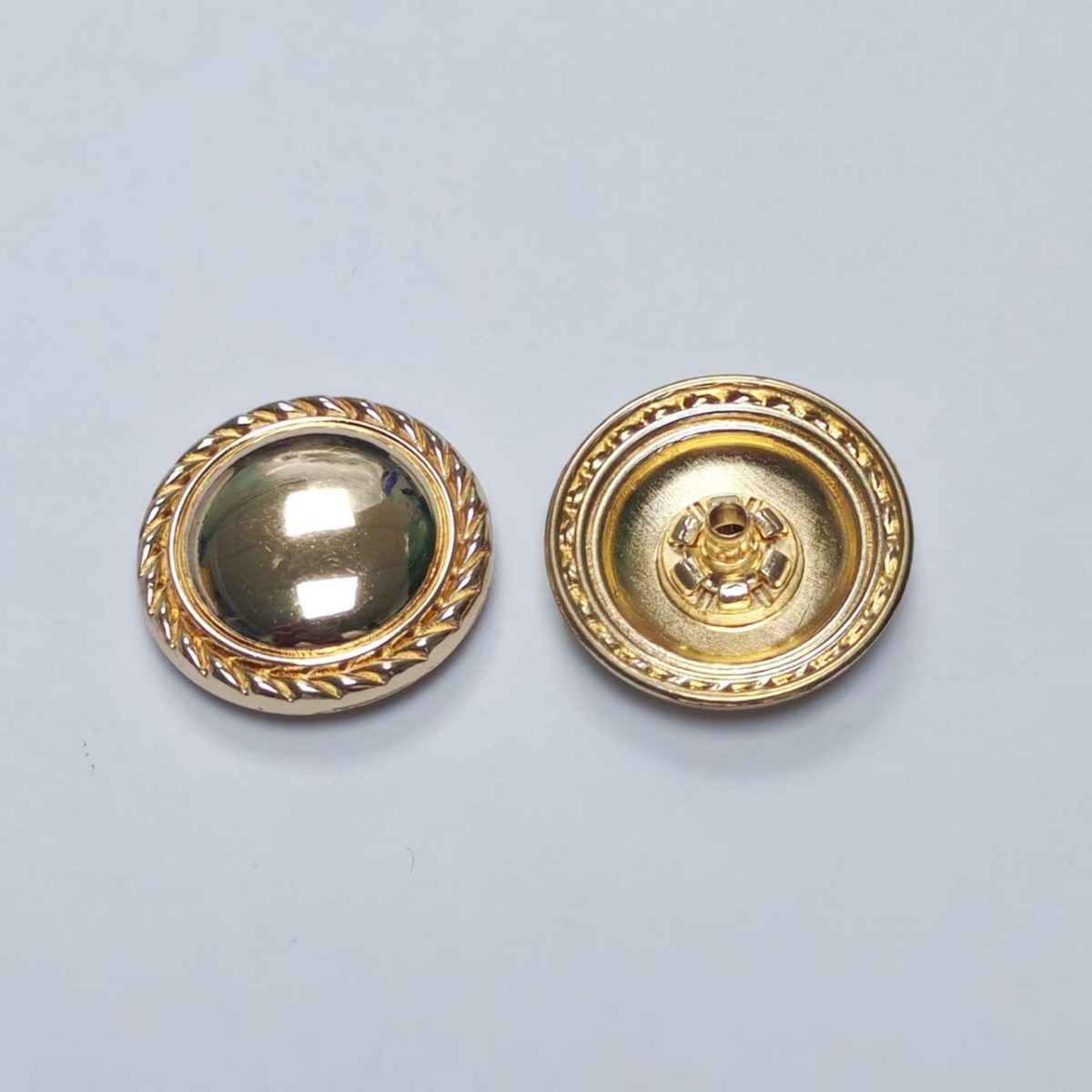 HW-P-035
Brass / Zinc alloy
View specifications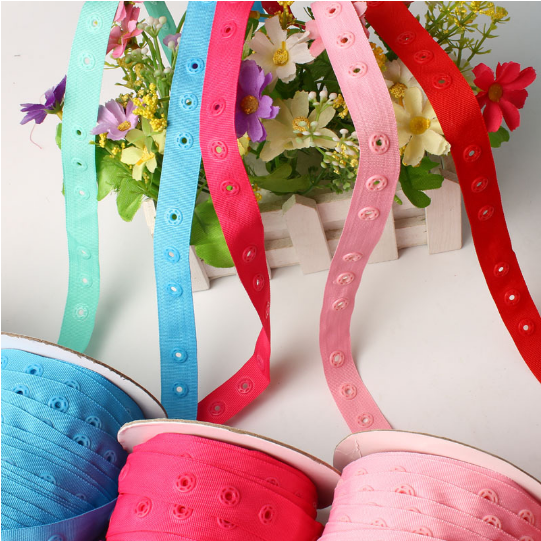 HW-P-036
Brass / Zinc alloy
View specifications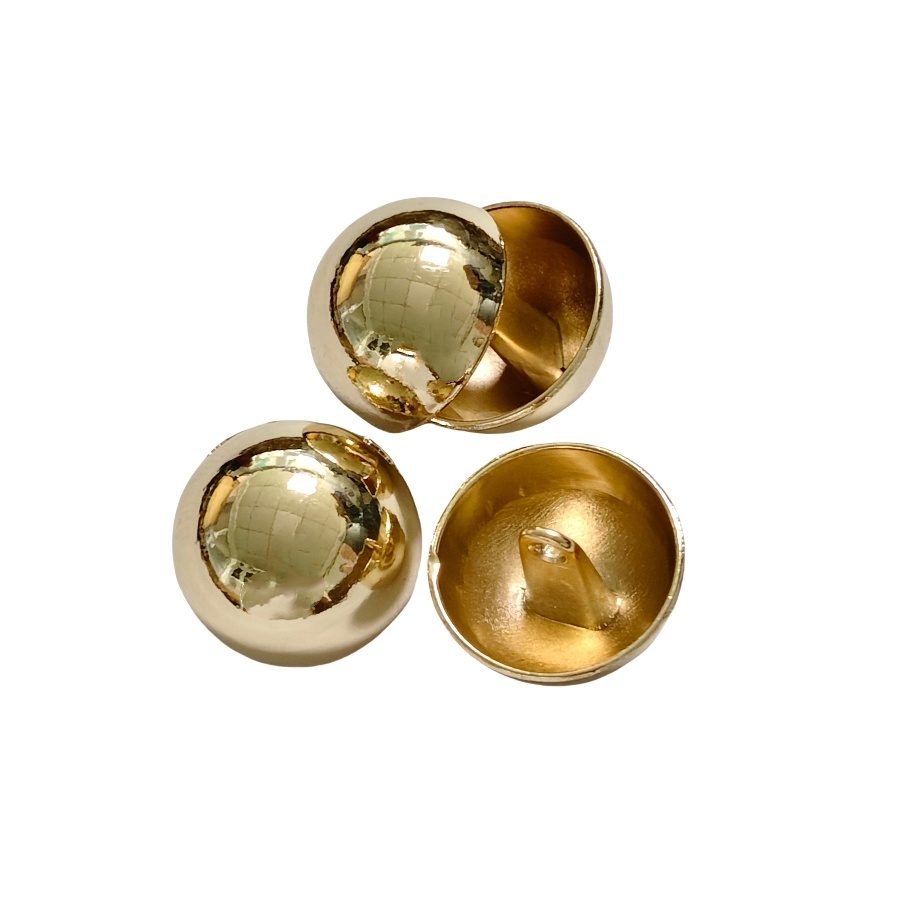 HW-P-382
Zinc Alloy
View specificationsHW-P-383Zinc Alloy
View specifications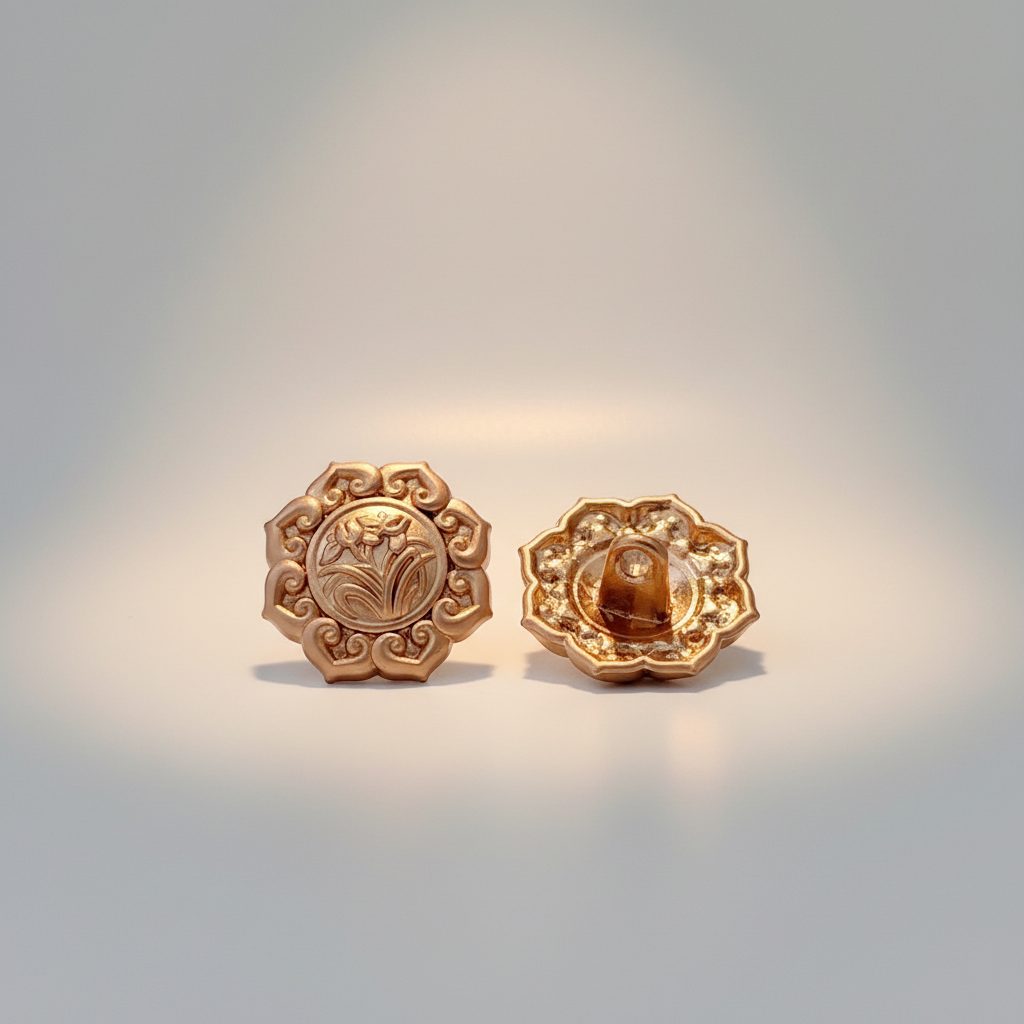 HW-P-384
Zinc Alloy
View specifications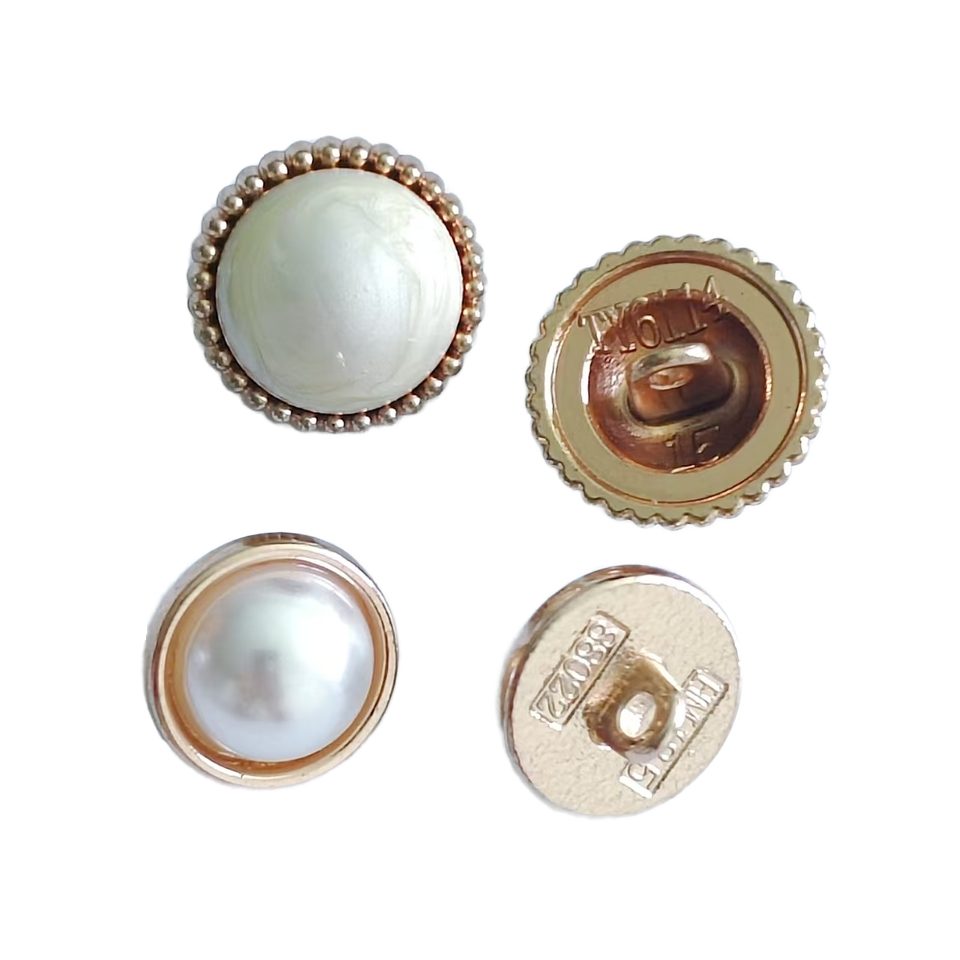 HW-P-393
Zinc Alloy
View specifications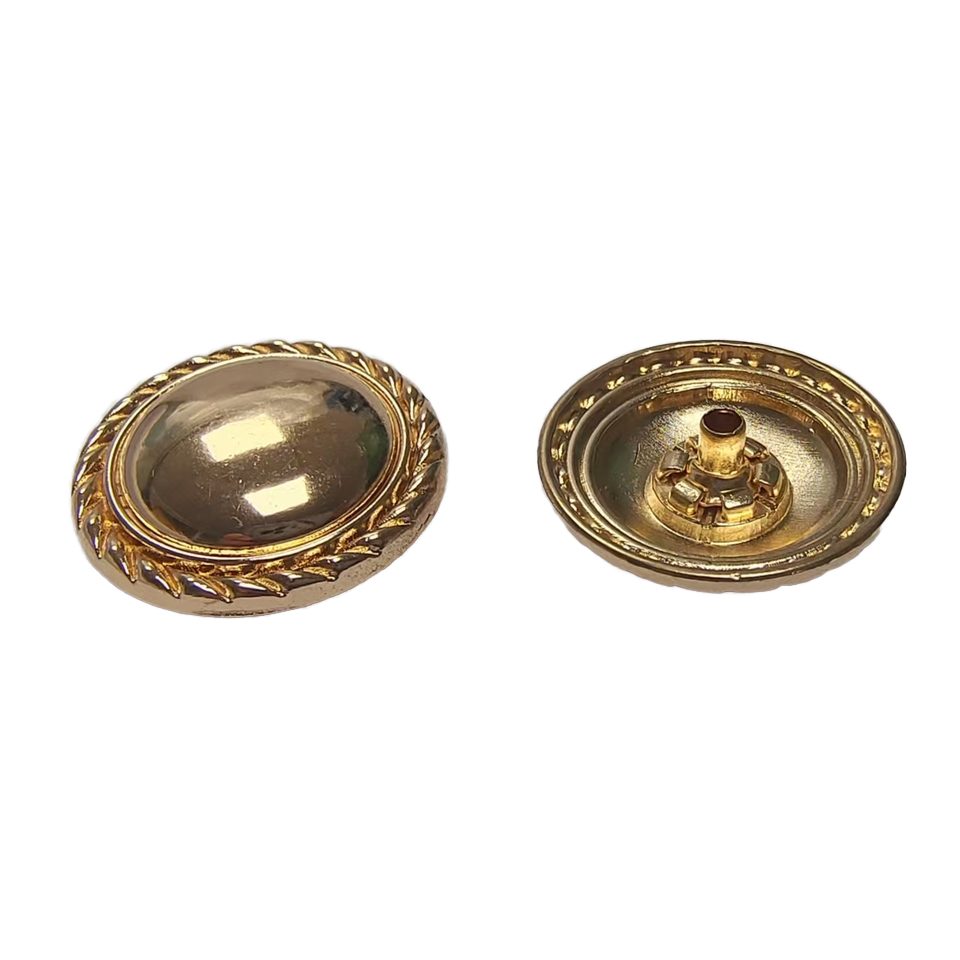 HW-P-403
Zinc Alloy
View specifications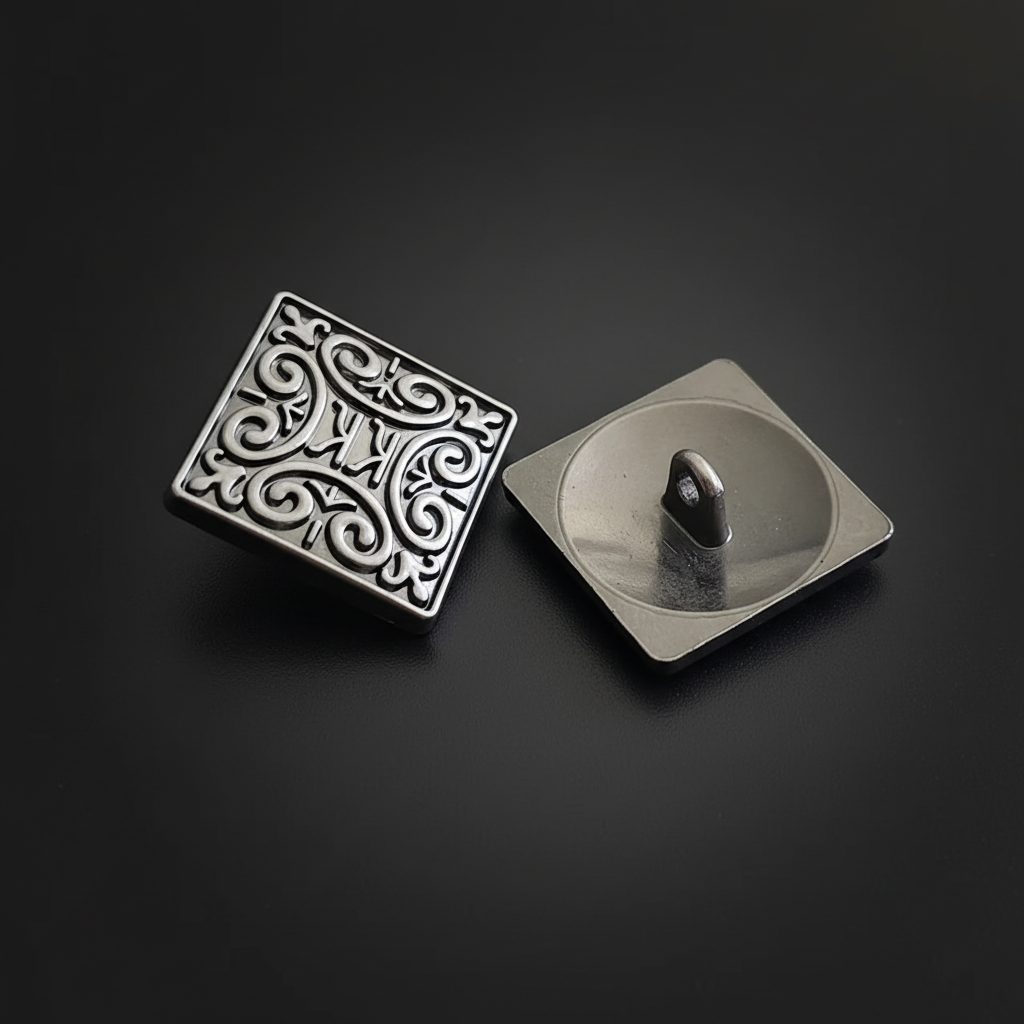 HW-P-404
Zinc Alloy
View specifications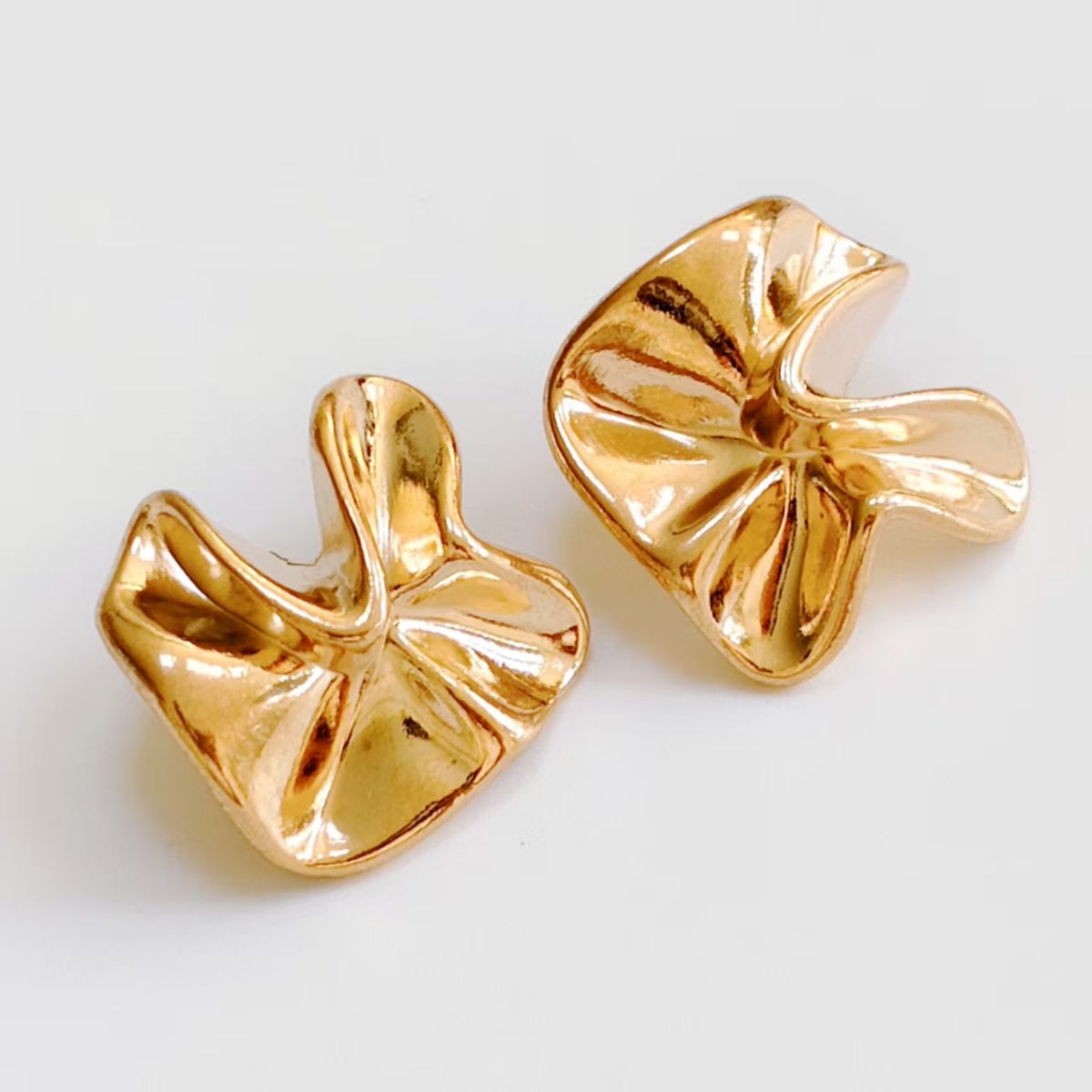 HW-P-422
Zinc Alloy
View specifications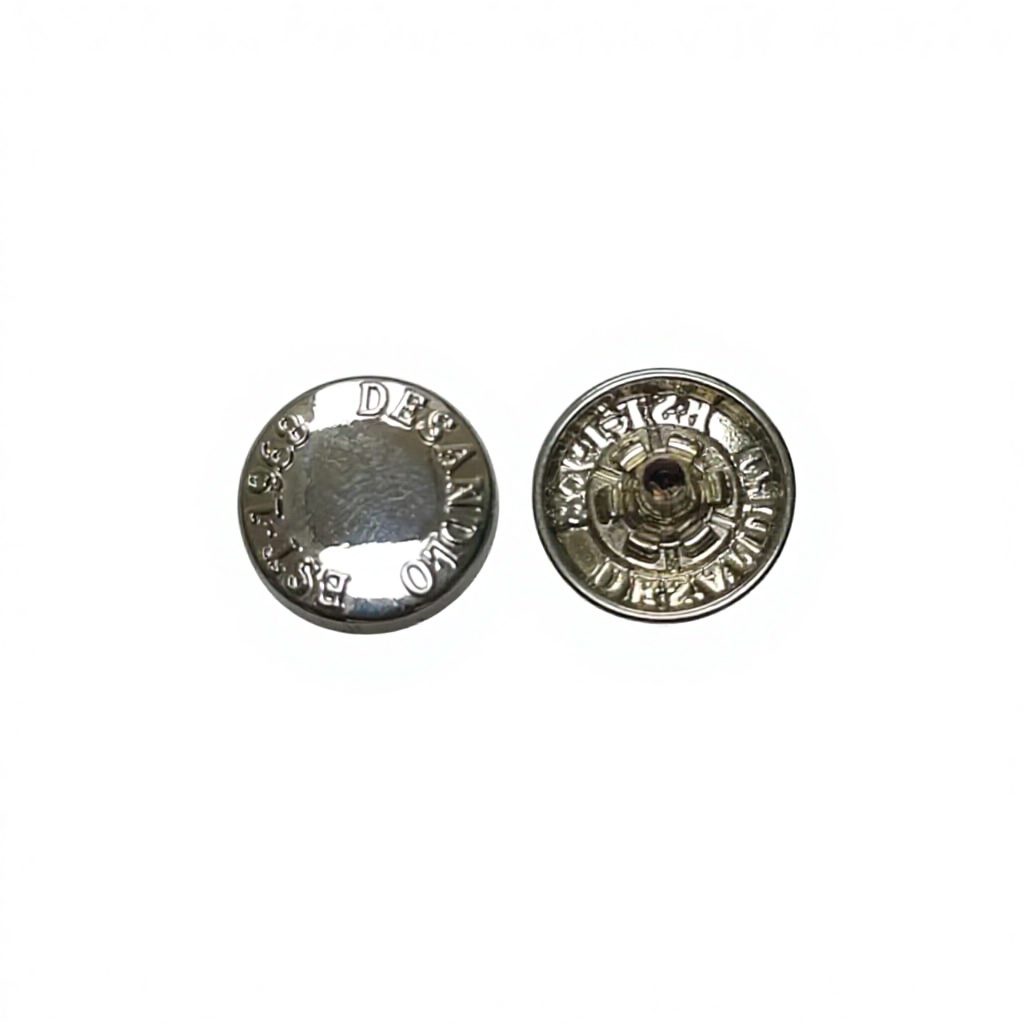 HW-P-425
Zinc Alloy
View specificationsHW-P-433Brass
View specifications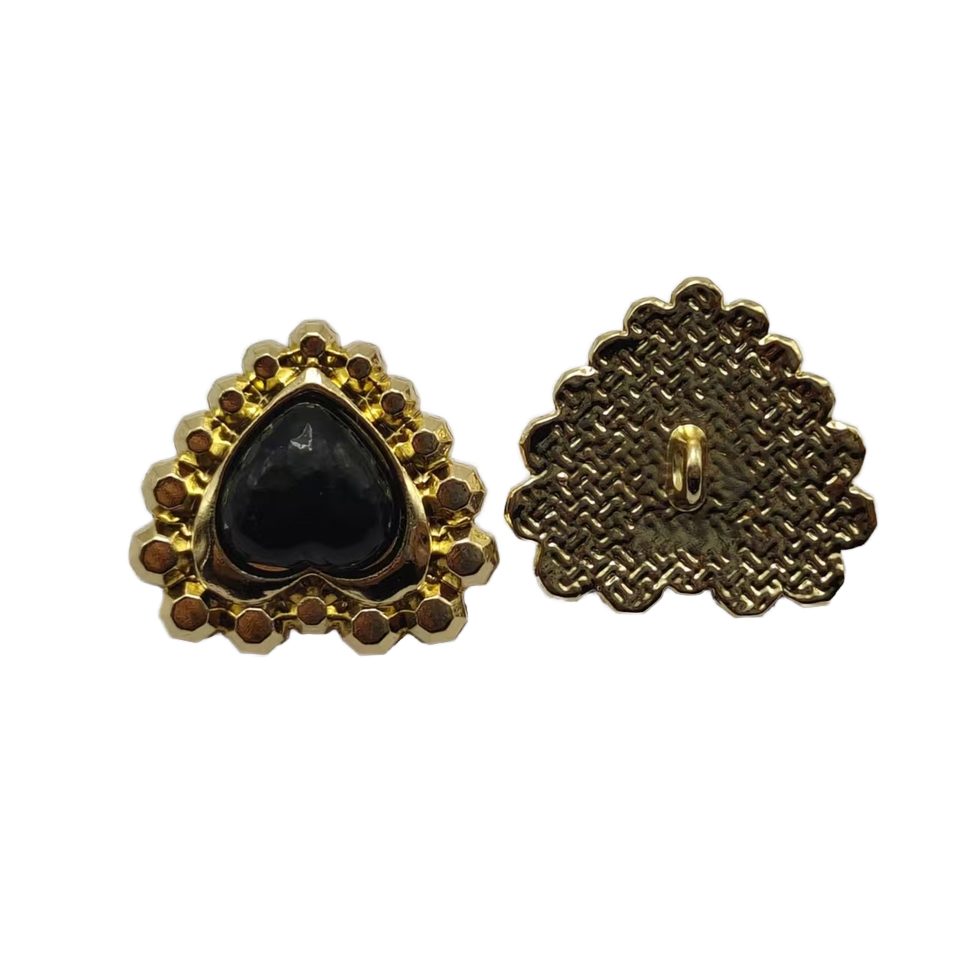 HW-P-672
Zinc Alloy
View specifications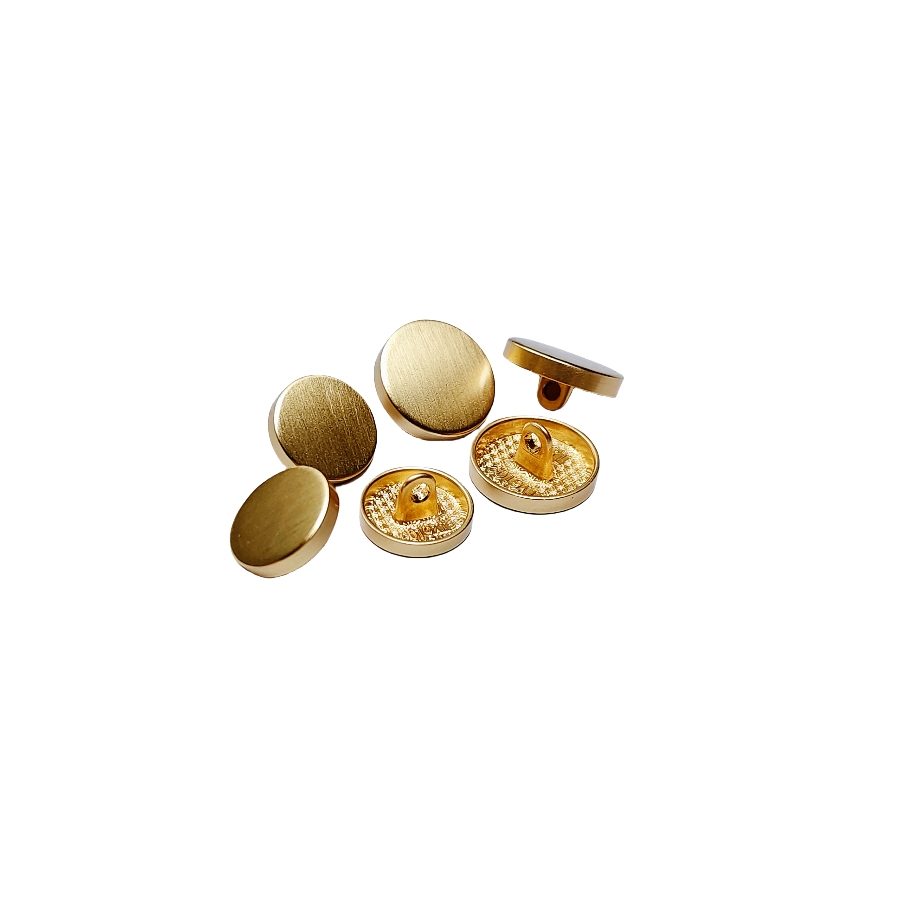 HW-P-683
Zinc Alloy
View specifications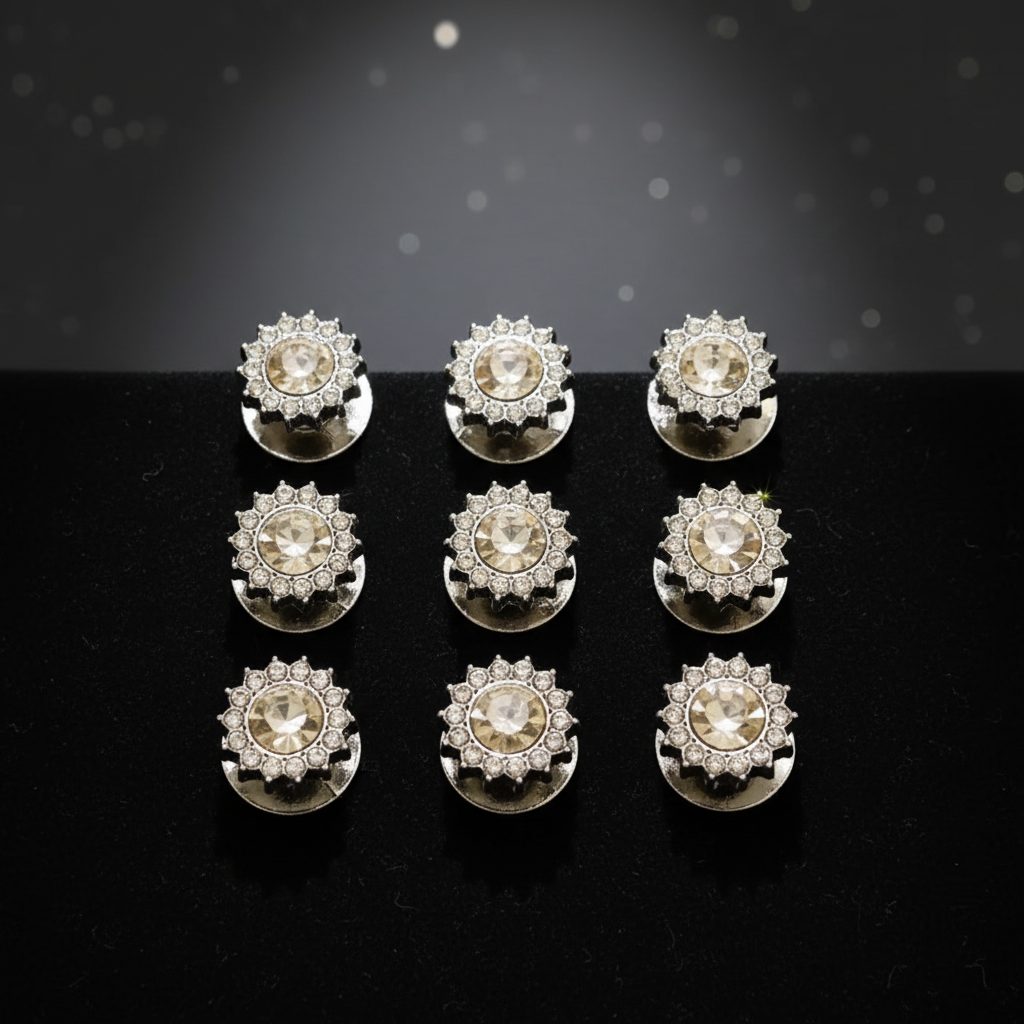 HW-P-689
Zinc Alloy
View specifications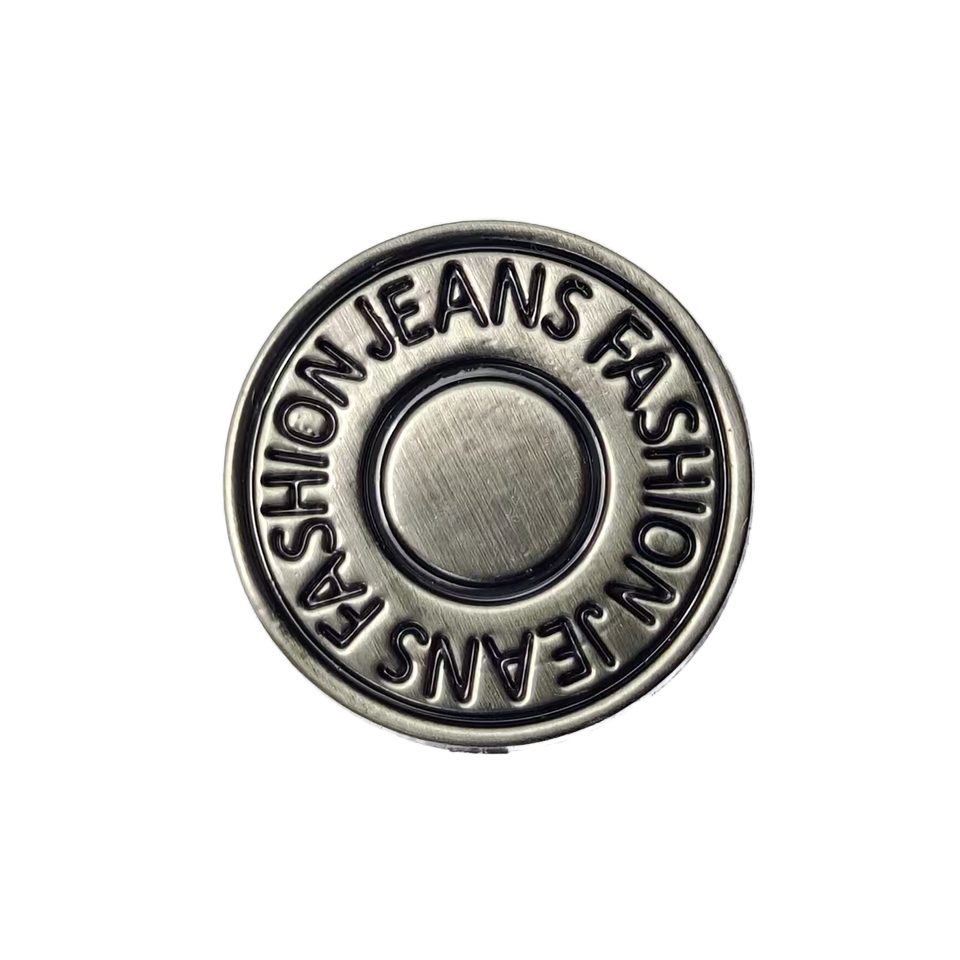 HW-P-690
Zinc Alloy
View specifications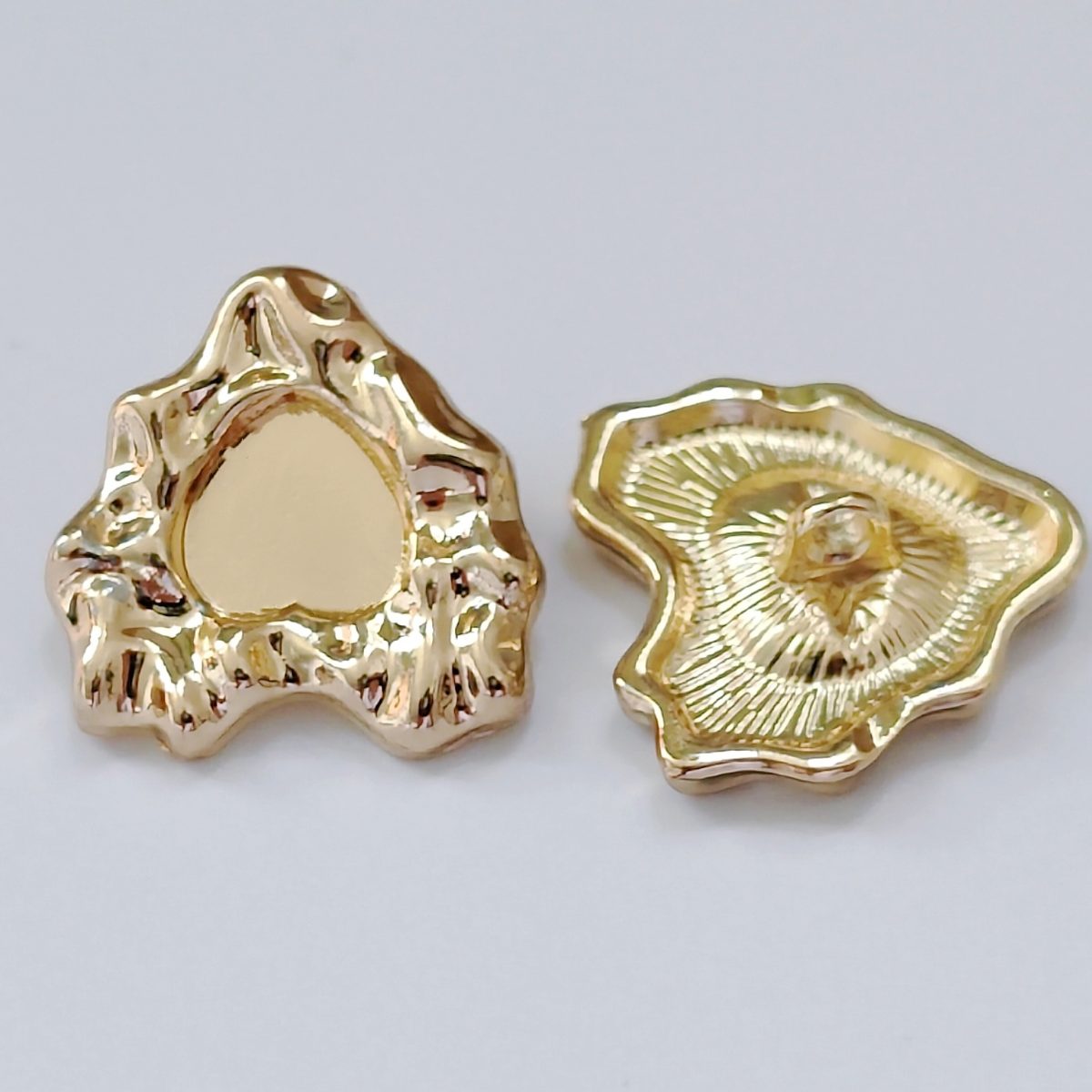 HW-P-695
Zinc Alloy
View specifications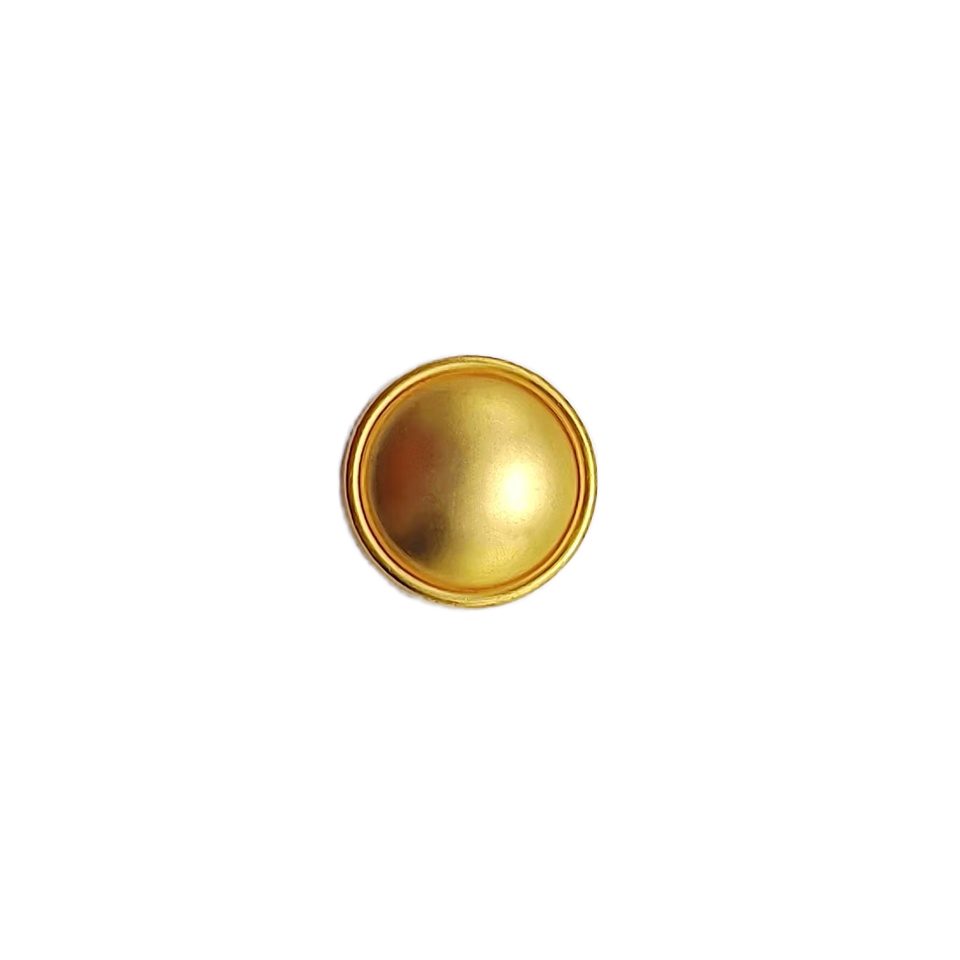 HW-P-697
Zinc Alloy
View specifications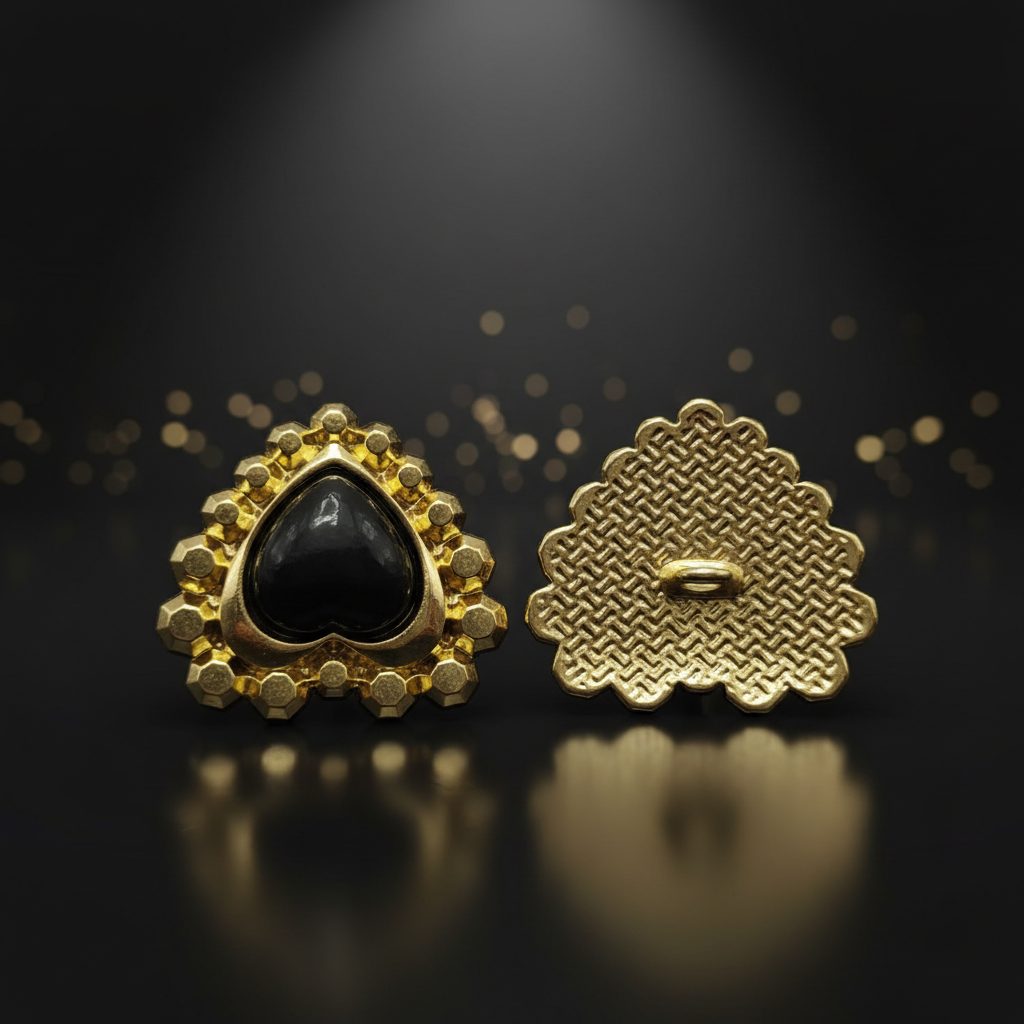 HW-P-698
Zinc Alloy
View specifications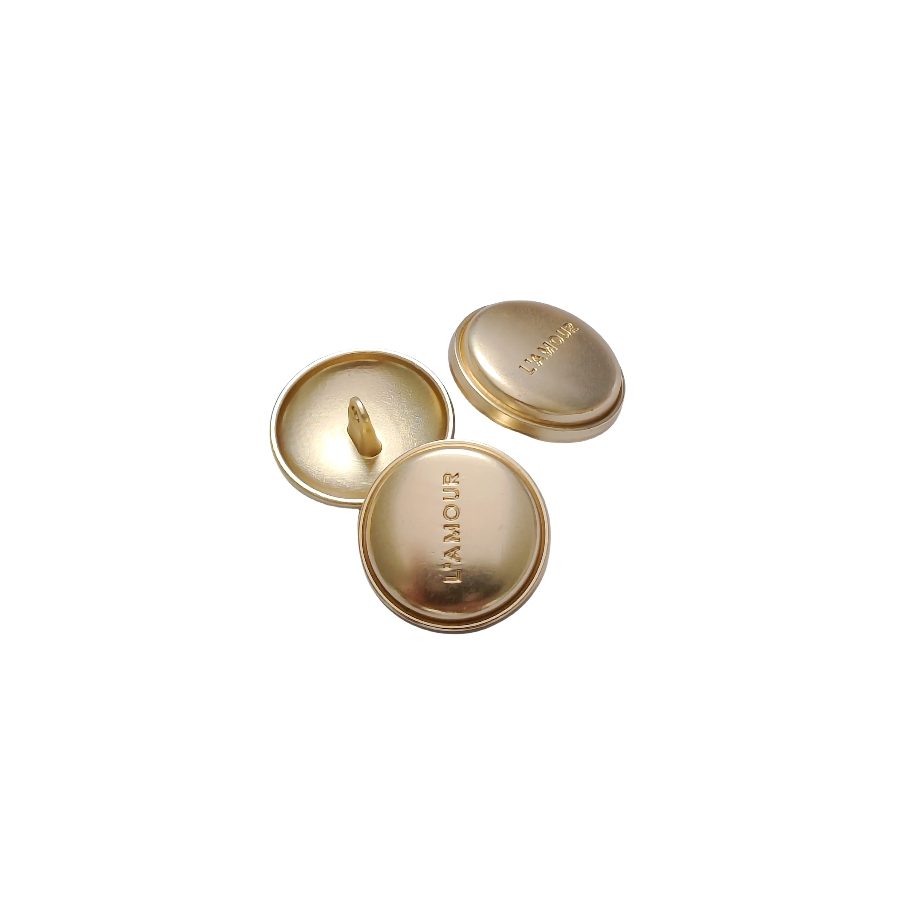 HW-P-699
Zinc Alloy
View specifications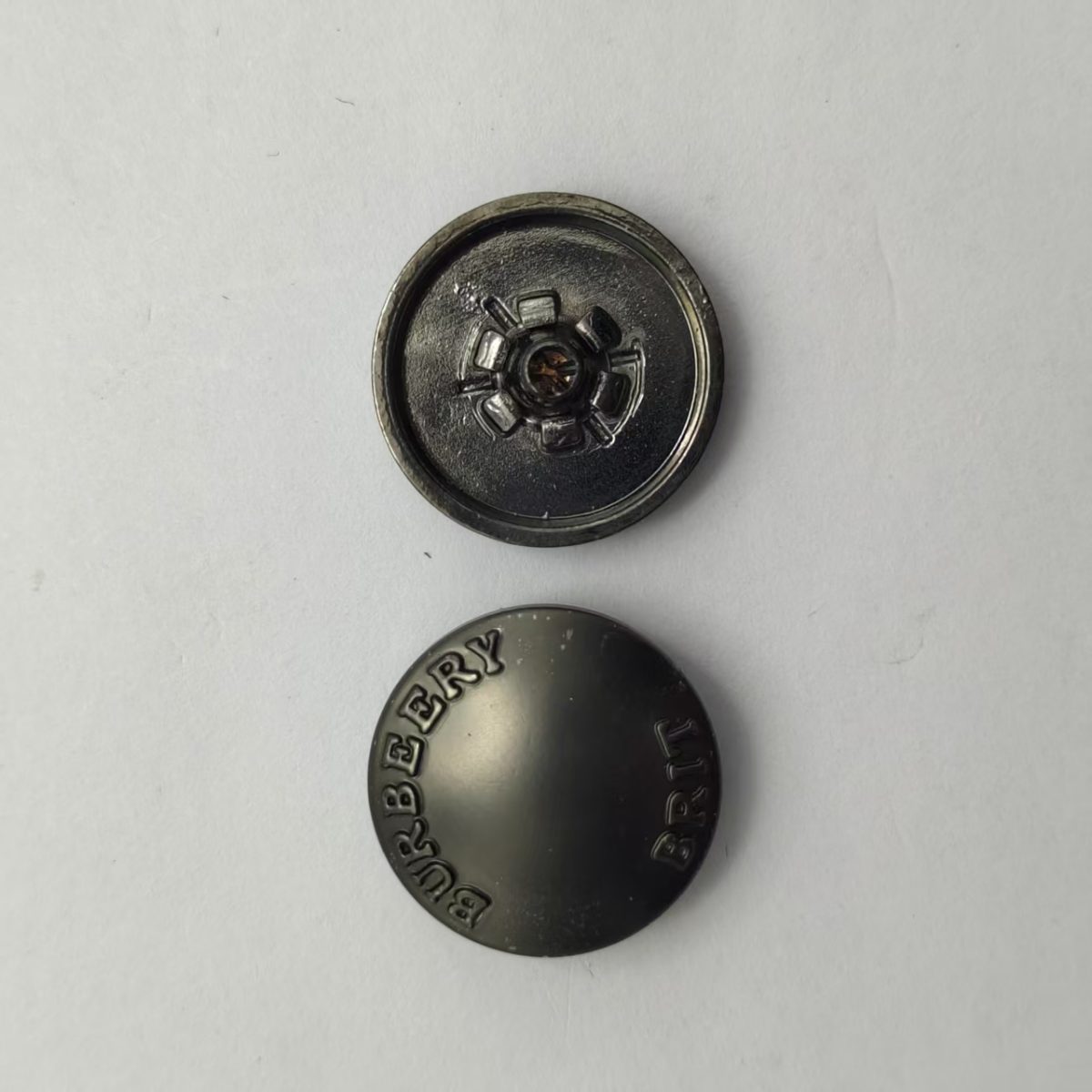 HW-P-702
Zinc Alloy
View specifications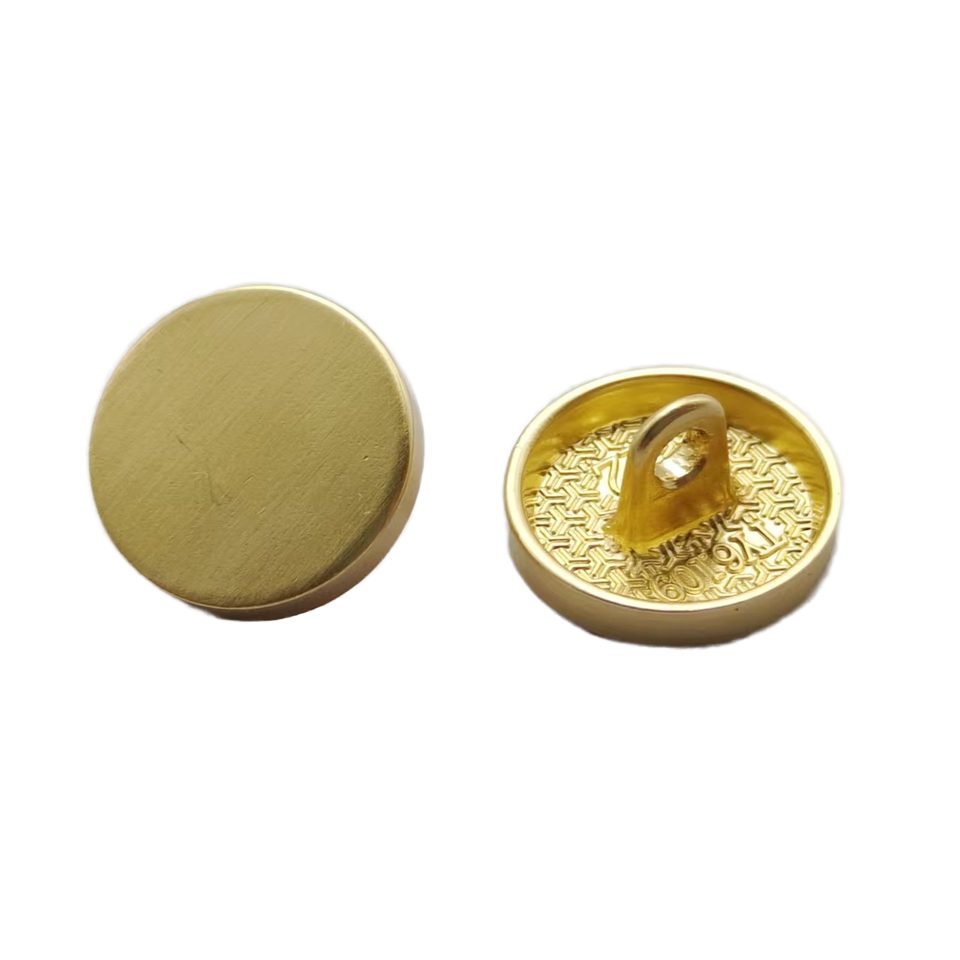 HW-P-707
Zinc Alloy
View specifications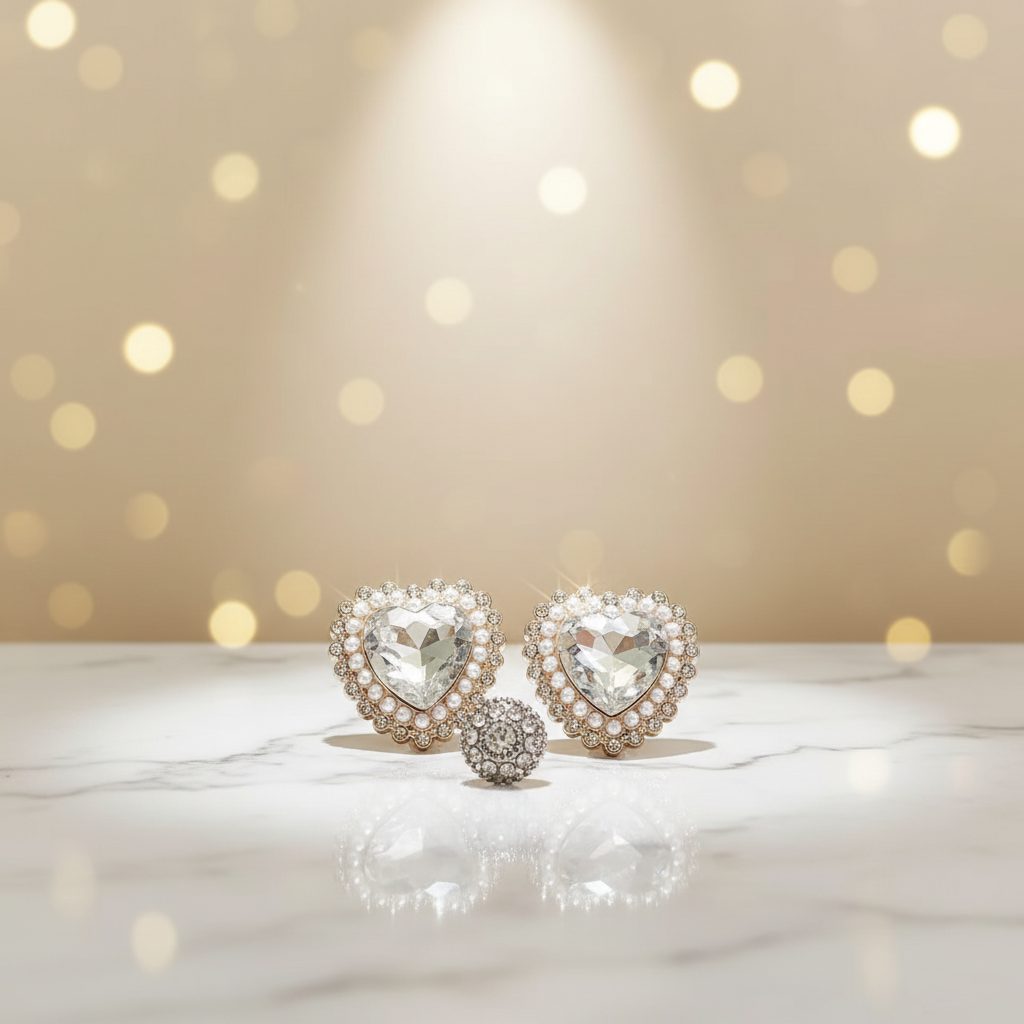 HW-P-712
Zinc Alloy
View specificationsSnap buttons are multi-part fastening components used for garments, bags, babywear, workwear and accessories. They can be reviewed by material, finish, size, logo requirement, sample plan and testing requirement before bulk production.
They are used on jackets, shirts, babywear, bags, workwear and accessories where repeat opening and closing is needed.
Brass, iron, stainless steel and selected zinc alloy parts differ in structure and finish requirement.
Nickel, gunmetal, antique brass, matte black, painted finish and custom cap decoration can be reviewed.
Cap design, logo, size, snap force, finish, color and packaging follow from application.
When sourcing Snap Buttons, confirm cap, socket, stud and post structure, snap force, fabric thickness, finish, attachment method, testing need before sampling or bulk production.
A standard metal snap has four parts: the cap and socket sit on the outer layer of fabric, the stud and post on the under layer. Say whether you need the full four-part set or only some parts, and whether the cap is plain, embossed with your logo, or a decorative shape.
How firmly a snap closes depends on its spring type and size. Outerwear, workwear and bags usually need a firm snap; babywear and thin knits need a lighter one so the fabric is not torn when it opens. If you have a reference sample or a target feel, send it with the enquiry.
The post length has to match the compressed thickness of every layer at the snap position. Too short and the snap pulls out; too long and it sets crooked or cuts the fabric. Tell us the fabric and the number of layers, or send a swatch.
Finish is chosen together with material, because plating behaves differently on brass, iron and zinc alloy. For garments worn against the skin and sold in the EU, ask for nickel-free plating and state it in the RFQ so it is quoted that way from the start.
Prong snaps pierce the fabric themselves and need no pre-punched hole; post snaps need a hole and a setting die matched to the snap size. Tell us whether you set by hand press or automatic machine, and which snap sizes your dies already fit.
Children's wear buyers commonly ask for an attachment (pull) test and lead and nickel limits for their market. Name the market and the standard your customer follows, so the right test is arranged on samples before bulk production.
Material and size can be checked before production. Surface finish can be inspected for color consistency, scratches and plating quality. Functional testing can be arranged based on product type and buyer requirements.
| Type | Structure | Attachment | Typical use |
|---|---|---|---|
| Spring snap (four-part) | Cap, socket, stud and post. The socket holds a wire spring that grips the stud. | Set through a pre-punched hole with a die matched to the snap size. | Jackets, outerwear, workwear, bags and covers where a firm, repeatable closure is needed. |
| Ring snap | Same four parts, but the socket uses a split ring instead of a wire spring, giving a lighter action. | Set through a pre-punched hole with a matched die. | Shirts, light jackets and garments in thinner fabrics. |
| Prong snap | A ring of prongs replaces the post. The cap can be open-ring, capped or pearl-style. | The prongs pierce the fabric and curl inside the socket or stud, so no hole is punched first. | Knits, babywear, western shirts and other light or stretch fabrics. |
| Sew-on snap (press stud) | Two flat parts with stitching holes around the rim. | Sewn on by hand or machine. No setting tool, and nothing shows on the outside of the garment. | Tailoring, plackets, lingerie and places where a hidden closure is wanted. |
| Snap tape | Snaps pre-set at a fixed spacing on woven tape, supplied as a matching pair of tapes. | The tape is sewn in, so snaps do not have to be set one by one. | Babywear, bedding, covers and long openings. |
| Decorative-cap snap | A standard snap mechanism with an embossed, shaped or stone-set cap. | Set the same way as the mechanism it is built on. | Fashion garments and denim where the cap is part of the design or carries the brand logo. |
Snap Buttons is quoted in Zinc Alloy, Brass, Stainless Steel, Iron and Resin. Available surface finishes are Nickel, Gold, Gunmetal, Matte Black, Antique Brass, Brushed Finish, Painted Finish and Enamel. Material and finish are quoted together, because tooling and plating cost change with the combination.
On this site Snap Buttons is catalogued under Bags & Handbags, Garments and Workwear. End use decides the specification that gets quoted — load, exposure and washing requirements differ between them, so state the end use in the RFQ rather than the part name alone.
MOQ is confirmed by quotation for the selected design, material, finish and quantity. Share your target quantity and any logo or tooling requirements so our team can confirm the minimum for your specification.
Sample lead time depends on material, finish and how much new setup the design needs. Our team confirms the schedule with your request.
Yes. Third-party testing can be arranged on request — salt spray, pull strength, nickel release and similar checks are quoted per project. We share the reports issued for your order, and we do not display certifications we do not hold.
Common material options depend on the category and can include zinc alloy, brass, stainless steel, iron, aluminum, plastic, acetal or resin. The final choice follows from application, finish and order requirement.
Please provide product type, quantity, application, material, finish, size, logo or mold requirement, sample plan, packaging needs and any testing requirement.