Which surface finishes are available for Iron hardware?
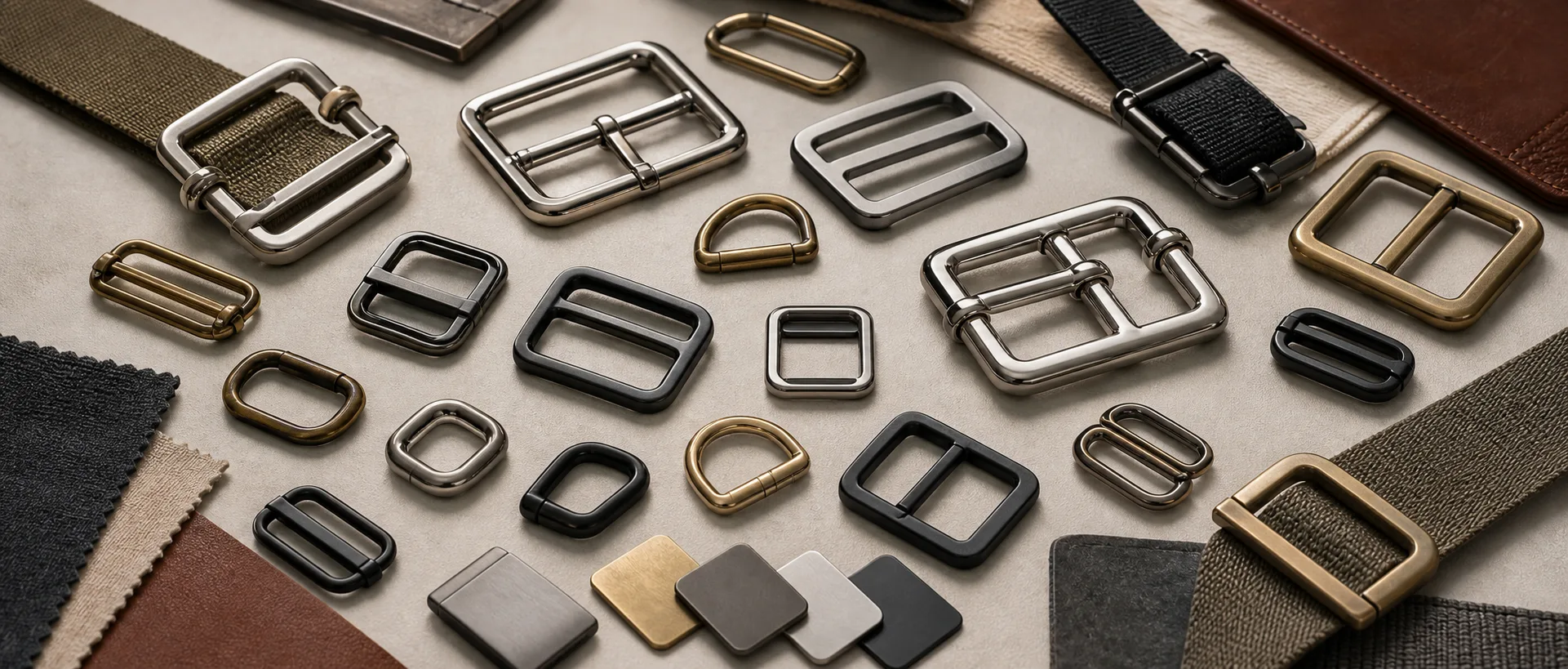
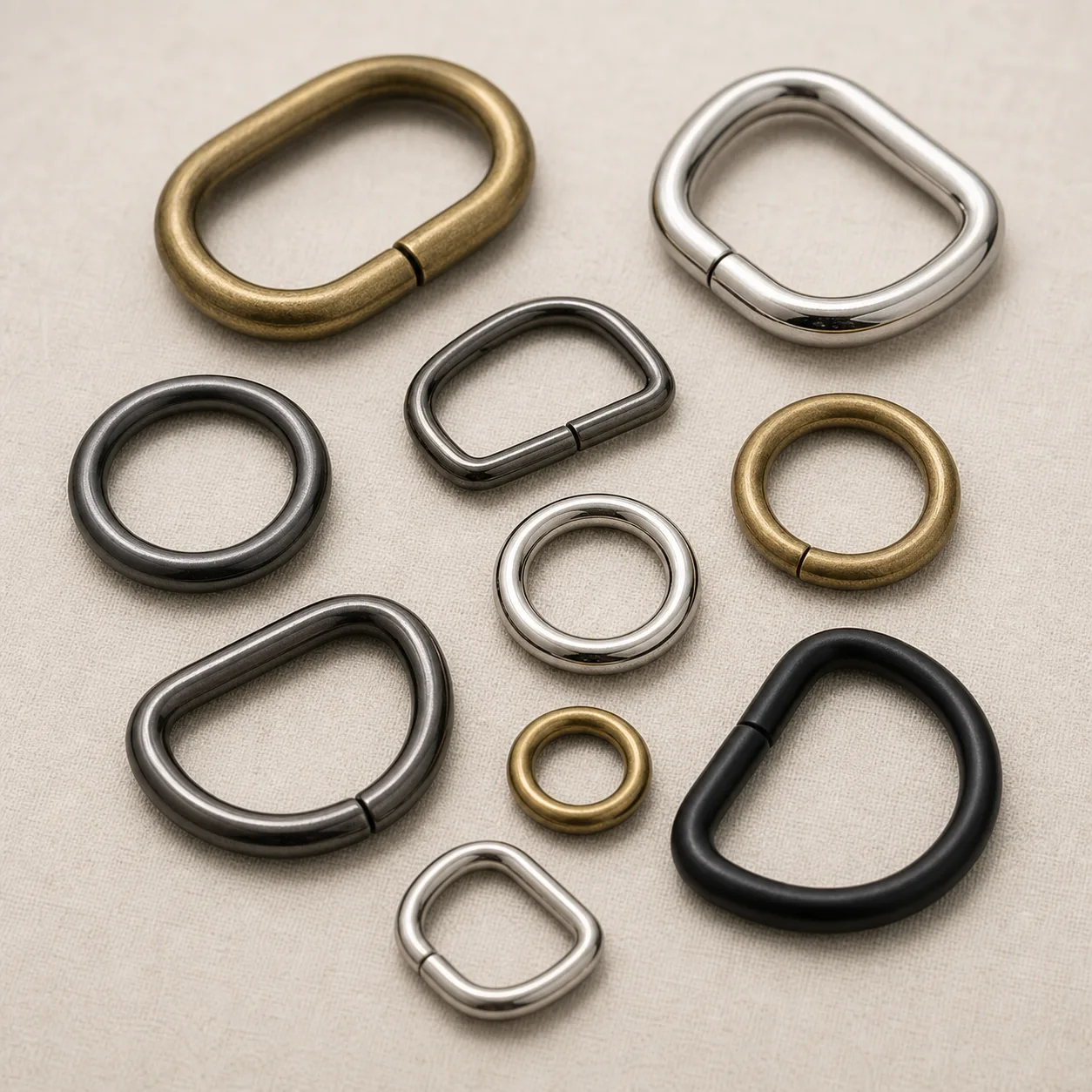
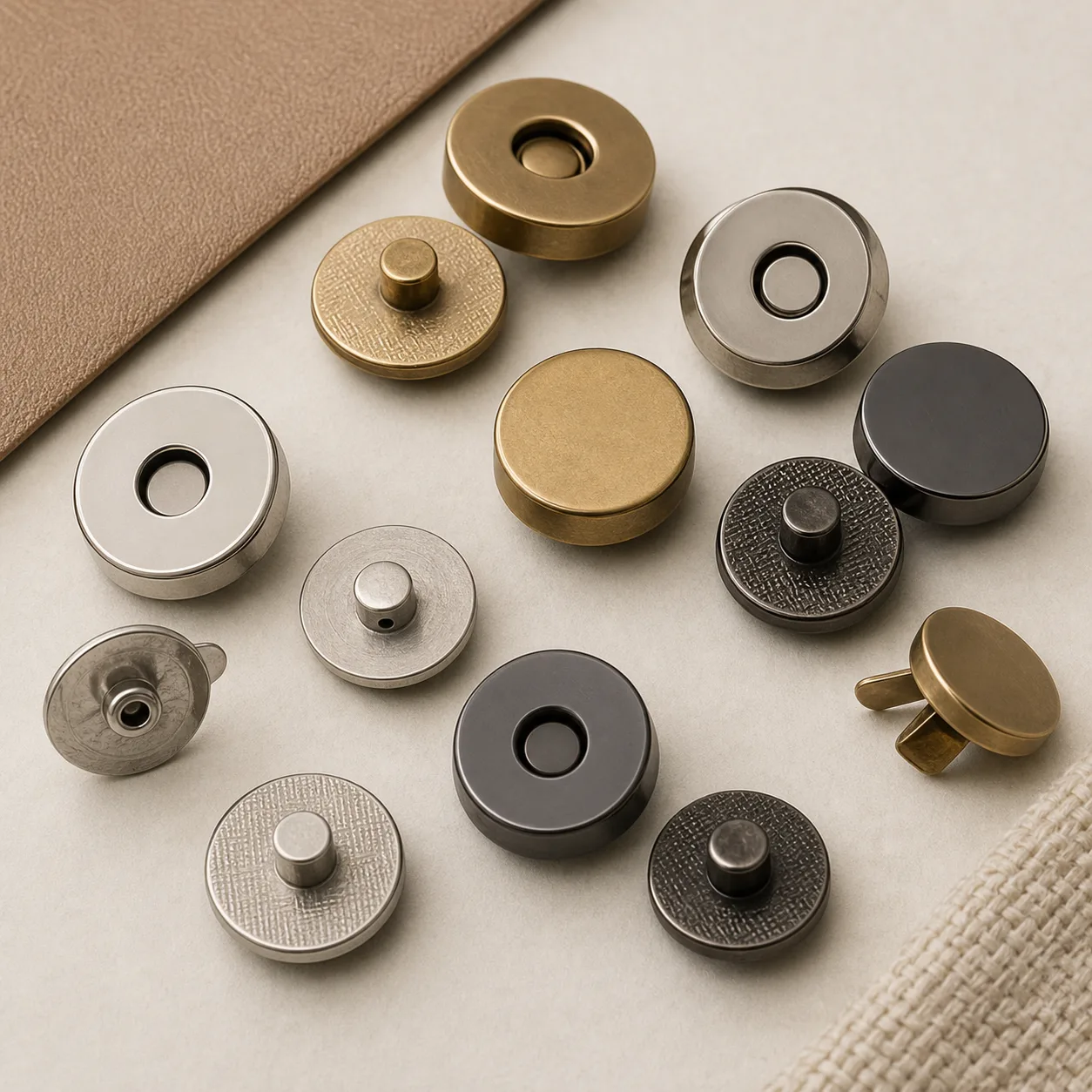
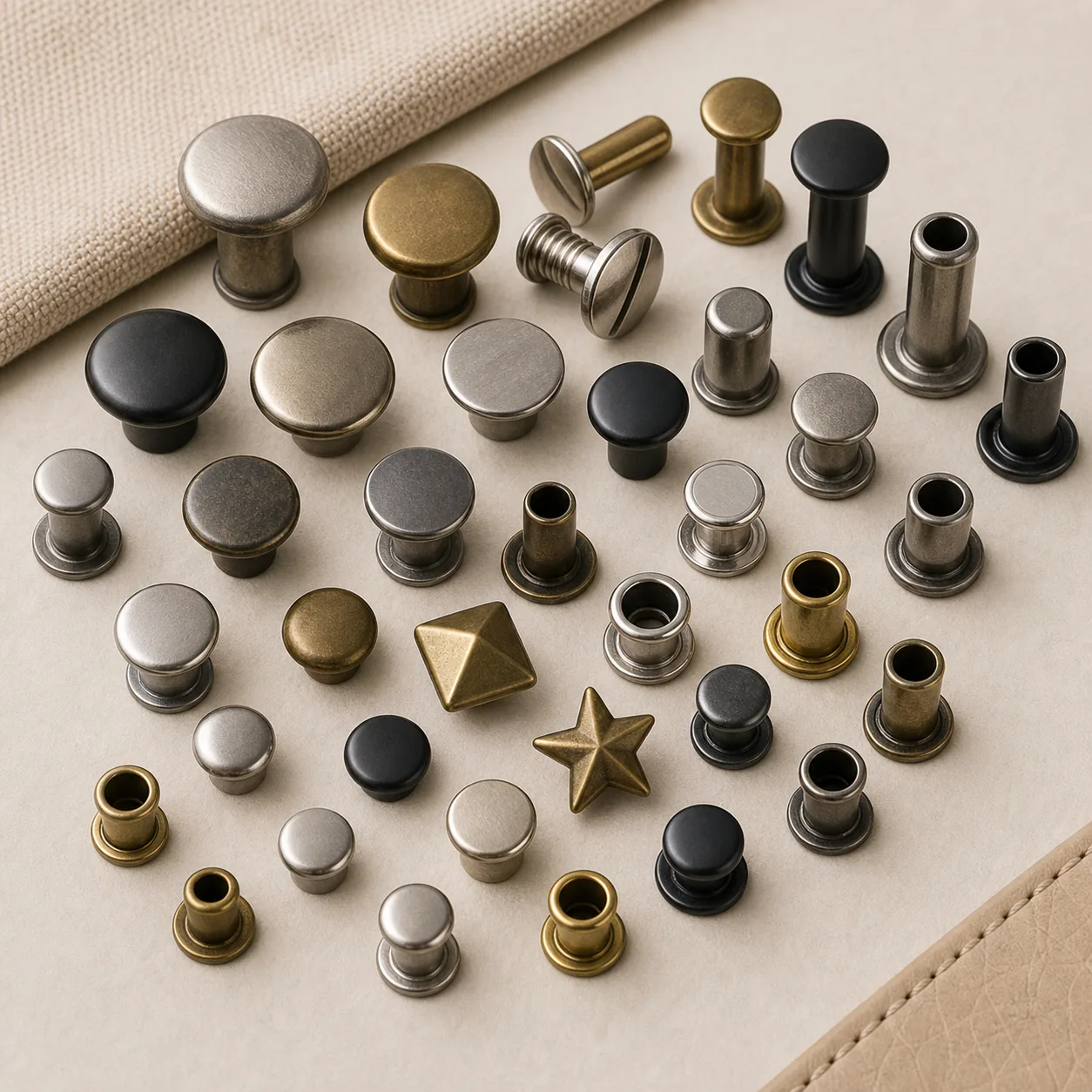
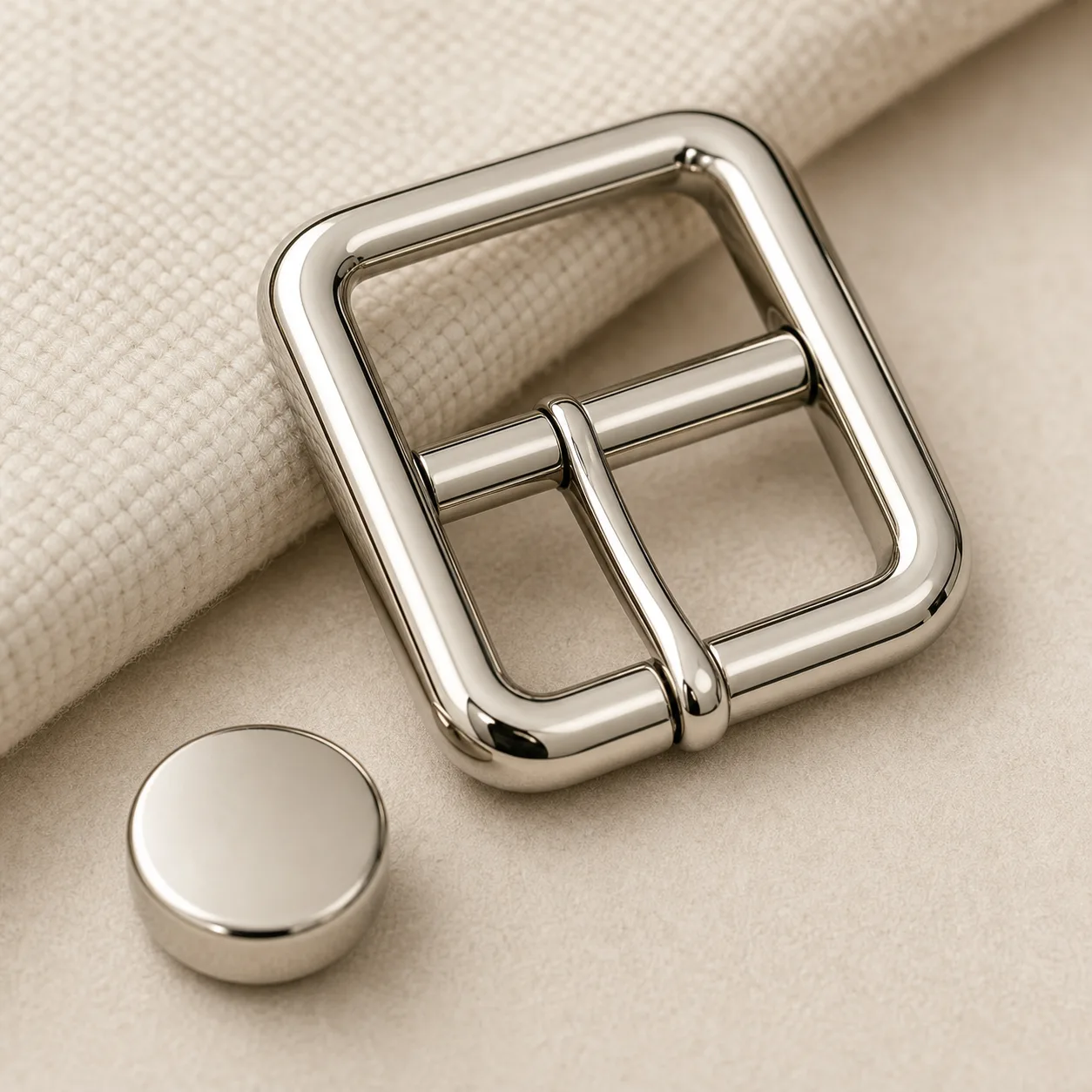
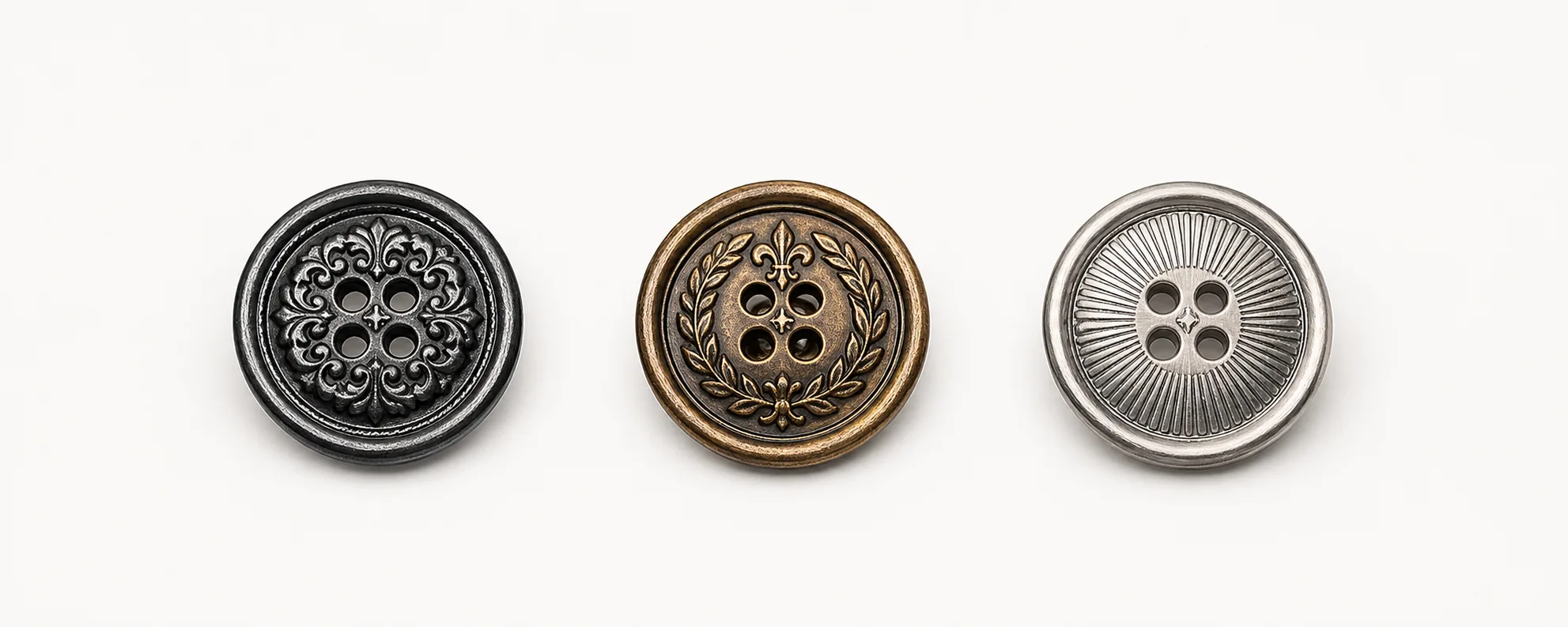
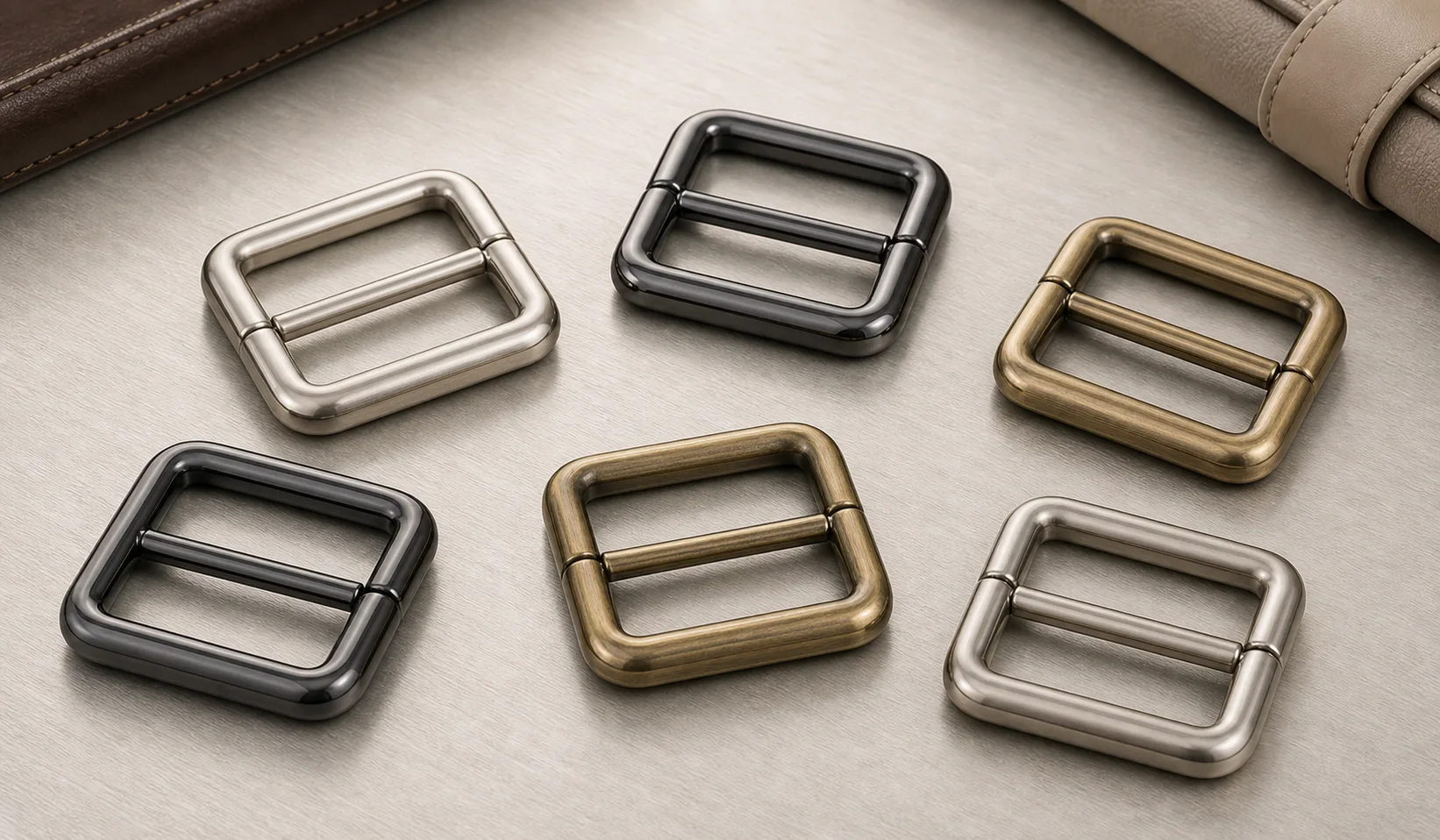
Iron hardware is offered with Nickel, Gunmetal, Matte Black, Antique Brass and Brushed Finish. Material and finish are quoted together, because tooling and plating cost change with the combination.
What is Iron hardware used for?
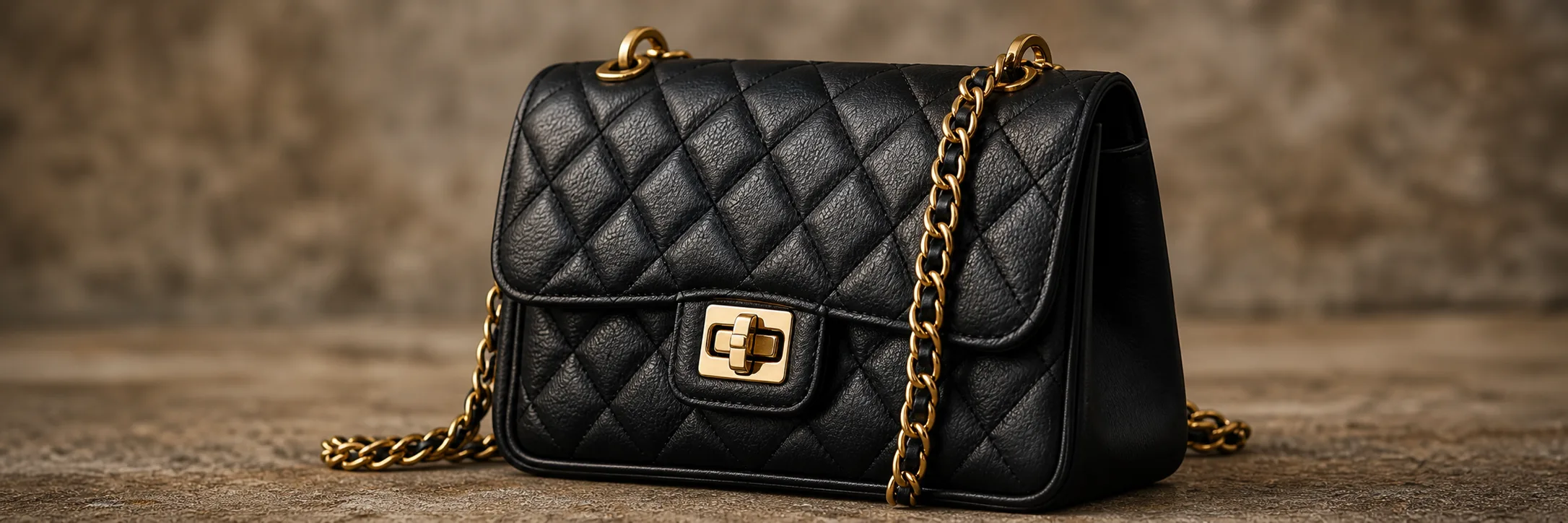
On this site Iron hardware is catalogued under Bags & Handbags, Backpacks, Garments and Denim. End use decides the specification that gets quoted — load, exposure and washing requirements differ between them, so state the end use in the RFQ rather than the part name alone.
Where does Iron hardware sit in the product range?
Iron hardware appears in Bag Hardware, Strap Adjusters, Jeans Buttons, Snap Buttons and Rivets. Related items in the same category can be quoted on one RFQ, which is usually how buyers keep finish and packaging consistent across a set.
What is Iron hardware used for in bag and garment hardware?
Material use depends on product structure, target application, finish direction and testing requirement. Each material page explains typical product categories and application notes for RFQ review.
Is Iron hardware suitable for custom logo hardware?
Logo suitability depends on material, product structure, surface area, logo method and finish. Embossed, debossed, engraved, laser, printed or separate logo plate options follows from project.
What finishes are available for Iron hardware?
Compatible finishes vary by base material and product structure. The finish direction should be confirmed through sample review, color target and buyer testing requirements.
How does Iron hardware compare with other hardware materials?
Compare materials by application, structure, weight, appearance, finish flexibility, cost direction, mold requirement and testing expectation instead of choosing one material for every use.
Can testing be arranged for Iron hardware?
Testing can be arranged upon request based on product type, material, finish, market and buyer standard. Results should not be assumed before the actual product and testing scope are confirmed.

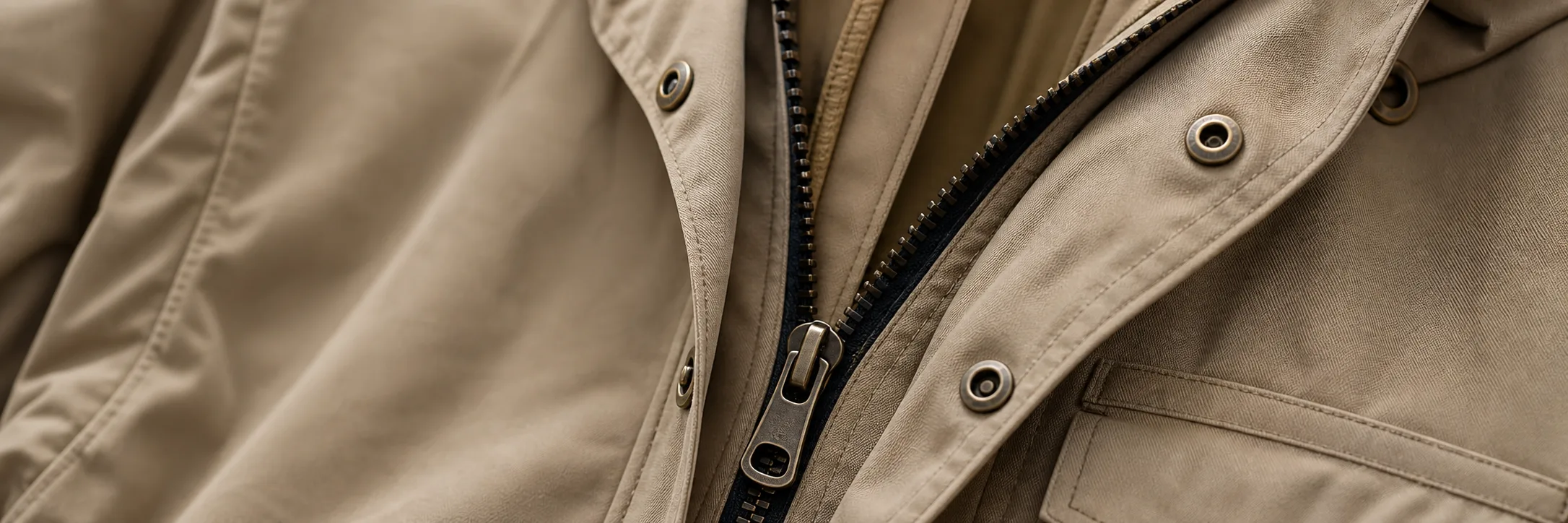
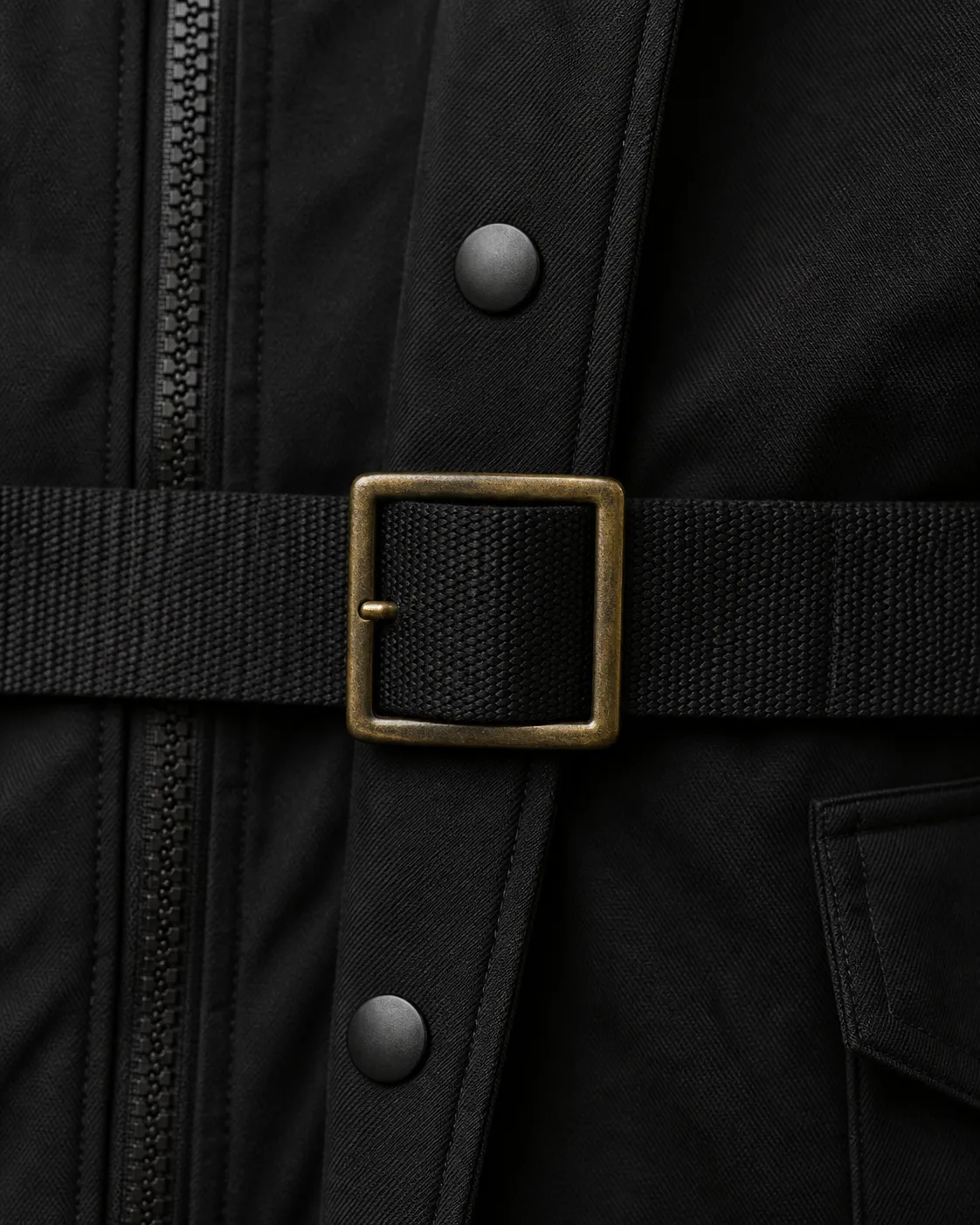
 Outerwear hardware project / Apparel buyer review
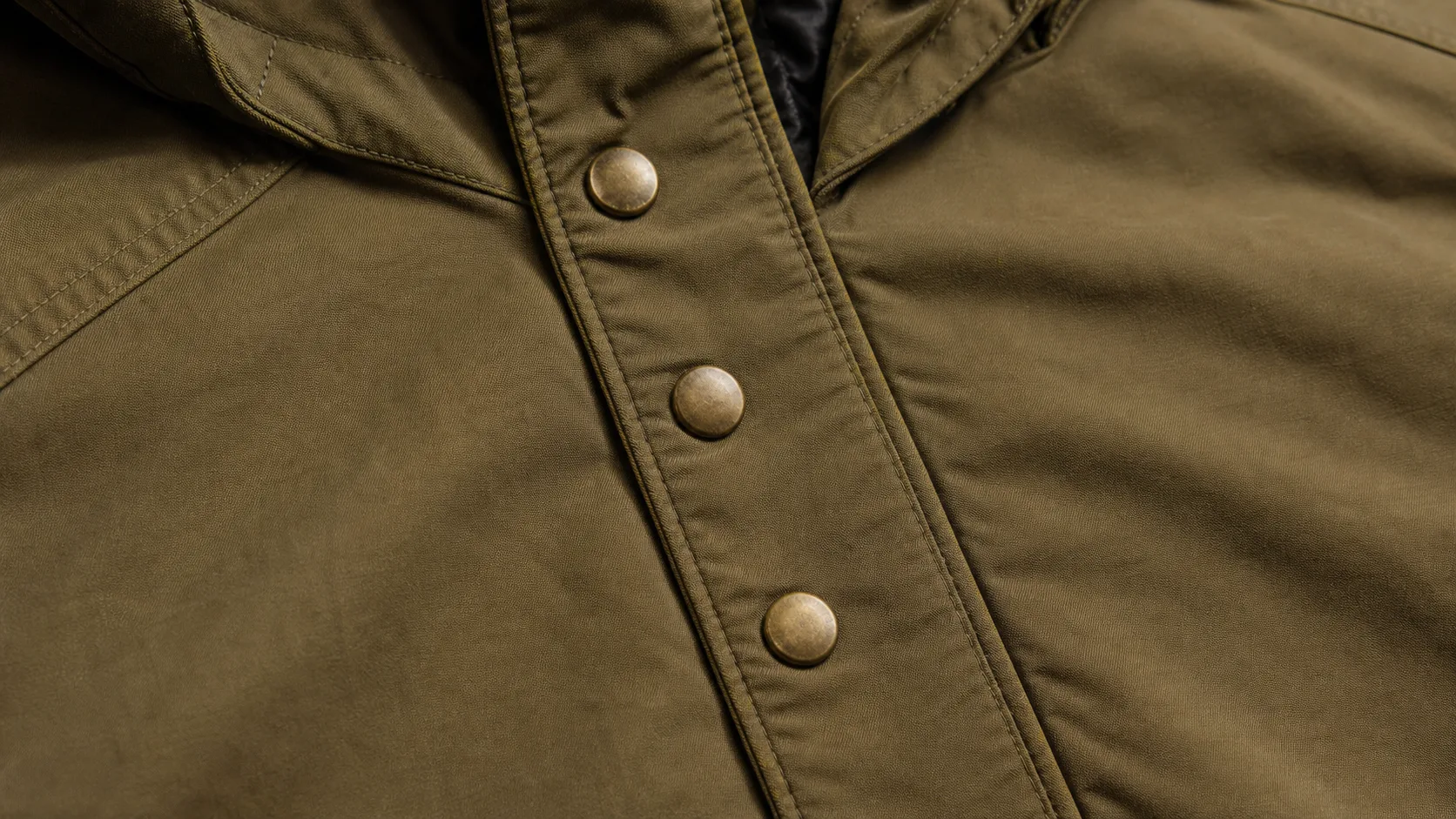 Garment brand project / Garment buyer review
 Technical backpack project / Outdoor gear buyer review
 Pet accessories project / Pet product buyer review