
Zinc Alloy
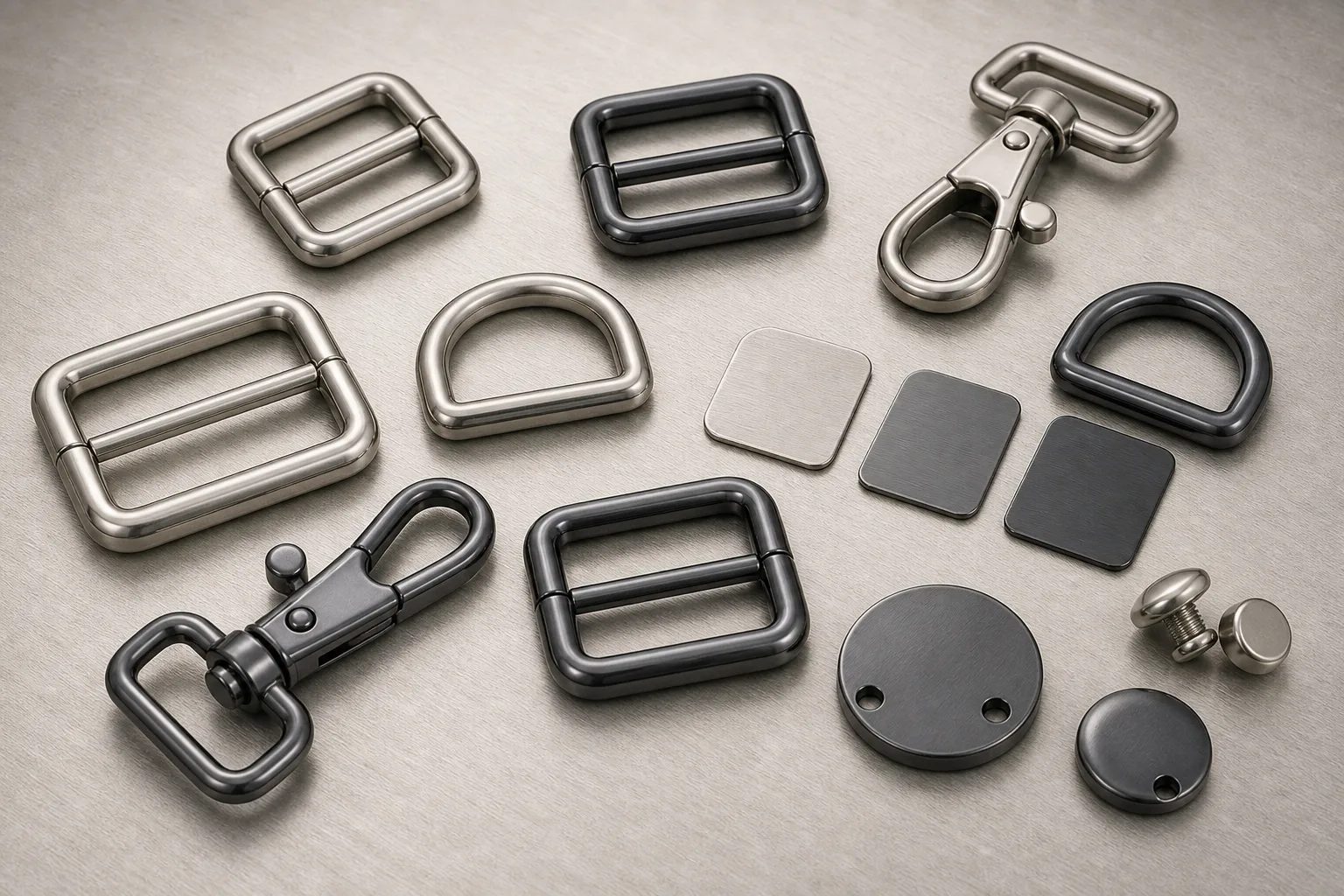
- Excellent for complex decorative shapes
- Cost-effective for higher-volume production
- Good dimensional stability and casting performance
- Wide range of plating and finishing options
Zinc alloy is die-cast and suits shaped, detailed parts; brass is worked from solid and suits thin sections. On plated hardware, corrosion performance is carried by the finish, not the base metal.

Zinc alloy hardware is die-cast: molten metal is injected into a mould, so complex shapes, logos and undercuts come out of the tooling. Brass hardware is usually stamped, machined or forged from solid stock, which suits thinner sections and gives a warm base tone. The practical choice is driven by part geometry, section thickness and whether the base metal will be seen.
This comparison is often presented as a quality ranking, with brass as the premium option. That framing is not useful when sourcing. The two are different manufacturing routes that make different things easy, and a well-made zinc casting will outperform a poorly specified brass stamping in the position it was designed for. Comparing the routes rather than the metals gives a decision you can act on.
Zinc alloy is chosen largely because it die-casts well at relatively low temperature. That makes complex geometry economical: shaped buckles, logo relief, undercuts, hollow backs, integral shanks. The cost of the geometry sits in the tooling and is then amortised across the run.
Brass parts are more often stamped from sheet, machined from bar, or forged. Those routes suit shapes that are essentially flat, turned or simple in section. Getting complex three-dimensional geometry in brass usually means casting it, at which point the comparison changes shape entirely.
A casting needs enough wall thickness for metal to flow and fill. Very thin sections in zinc are possible but constrain the design and raise the reject risk. If the part must be thin and still carry load — a flat ring, a slim hook, a thin plate — a wrought route is a more natural fit.
Conversely, if the part is chunky, sculpted or carries relief, casting is the comfortable route and forcing it into a stamped brass equivalent means either simplifying the design or accepting a multi-part assembly.
Most hardware is plated, so the base metal is invisible on day one. It matters in two situations. Where the finish is intentionally thin, worn back or antiqued, the base tone shows through and brass gives a warm undertone that zinc does not. And where the part will abrade in use, what is exposed as the plating wears differs between the two.
If the design intent depends on the base metal being visible — an unplated brass trim, a hand-antiqued finish — that is a genuine reason to choose brass, and it should be stated as such rather than described as a quality preference.
Buyers often frame this as "which metal survives salt spray longer". For plated hardware that question is aimed at the wrong layer. Zinc alloy is electrochemically active and is effectively always used inside a plating system, so its corrosion performance is carried by that system and by the pre-treatment underneath it. Brass is more noble and does not depend on plating to stay structurally sound, but it tarnishes to a dull oxide when left bare. Stainless steel is the outlier here: it resists corrosion without any plating at all.
The practical consequence is that two parts in the same base metal can differ by a large factor in a salt-spray chamber purely because of plating specification, coverage in recesses and pre-treatment quality. Comparing a zinc casting against a brass stamping without holding the finish constant compares the two finishes, not the two metals.
Where the base metal does change the outcome is at damage and wear points. Once plating is breached, a zinc substrate corrodes preferentially and lifts the surrounding coating, which is why edges, crimps and the underside of moving parts fail first. A brass substrate under the same breach corrodes more slowly and tends to discolour rather than undermine the finish. If your part flexes, rubs or is crimped in assembly, that difference is worth designing around.
The two routes have different cost shapes. Casting front-loads cost into tooling and then produces complex parts cheaply. Stamping and machining have lower tooling cost for simple shapes but the part cost rises with complexity and with material removed. Brass raw material also moves with commodity prices in a way that changes quotations between seasons.
That means a straight unit-price comparison at one quantity can be misleading. Ask for the cost breakdown by tooling and part, and compare at the quantity and repeat pattern you actually expect.
A figure such as "48 hours" is only meaningful alongside four things: the test method and standard, the chamber conditions, the exact finish specification it was run on, and the corrosion criterion that counted as failure. Change the criterion from first white corrosion product to five per cent red rust and the same part reports a very different number. A supplier quoting hours without those four is quoting a marketing figure, not a measurement.
This guide therefore gives no salt-spray hours, plating thicknesses or corrosion ratings for either material, because any number stated here would be missing all four. We do not run our own laboratory; salt spray, tensile and nickel-release work goes to third-party labs and is quoted per project.
The workable route is to state your environment and your expectation, ask what testing can be arranged, and agree in writing what will be tested, to which standard and against which failure criterion before bulk. That produces evidence tied to your part and your finish rather than a general claim about a metal.
Start from the part. Is the geometry complex or simple? Does any section need to be thin and loaded? Will the base metal ever be seen? Is there relief or a logo formed into the shape? Those four questions usually settle the route before material preference enters the conversation.
Then check the commercial fit: expected quantity, repeat pattern, tooling ownership, and whether the finish you want is normally applied over that base. Send the drawing or the reference sample and ask the supplier which route they would use and why — the reasoning is more useful than the recommendation.
| Property | Zinc Alloy | Brass |
|---|---|---|
| Corrosion Resistance | ||
| Strength | ||
| Durability | ||
| Cost | $ (Lower) | $$ (Higher) |
| Weight | Lighter | Heavier |
| Finish Options | ||
| Lead Time | 15–25 days | 15–25 days |
| Design Flexibility | ||
| Surface Finish Quality | ||
| Composition | Zinc + aluminum + copper | Copper + zinc |
| Density | 6.6 - 6.9 g/cm3 | 8.4 - 8.7 g/cm3 |
| Tensile Strength | 280 - 440 MPa | 300 - 550 MPa |
| Hardness | 80 - 120 HB | 70 - 120 HB |
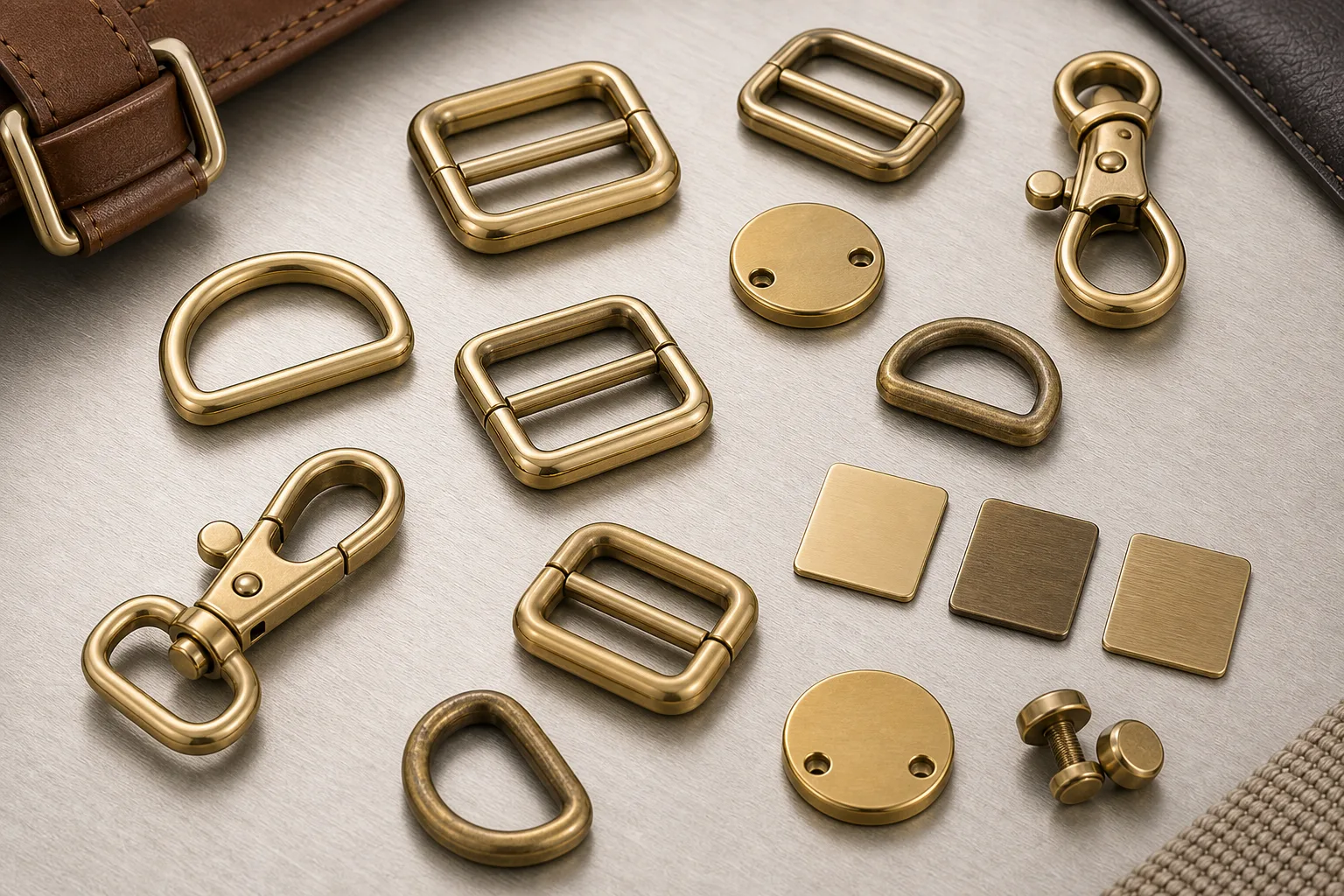
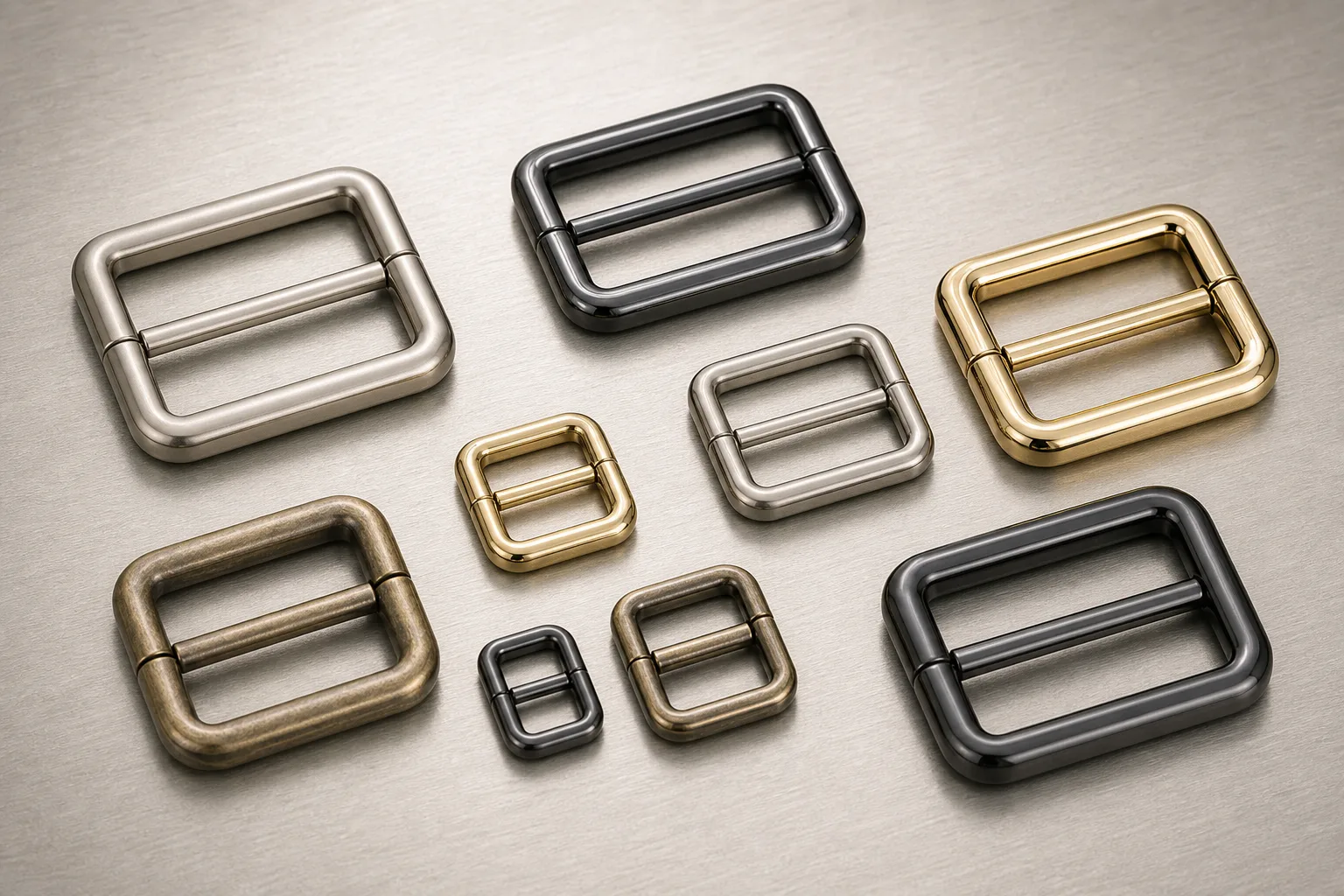
Premium buckles for bags and luggage.
View Products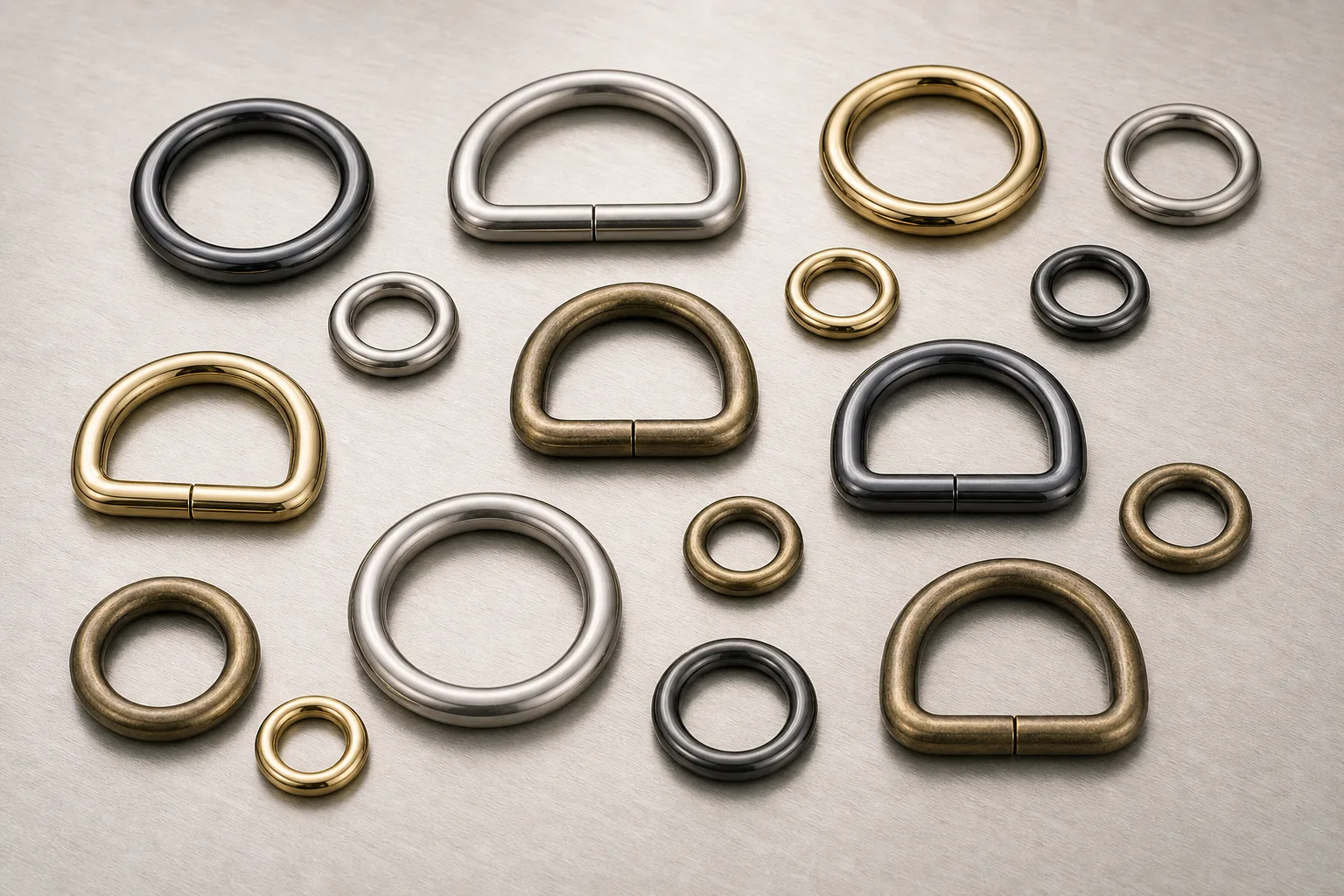
Strong and durable rings for straps.
View Products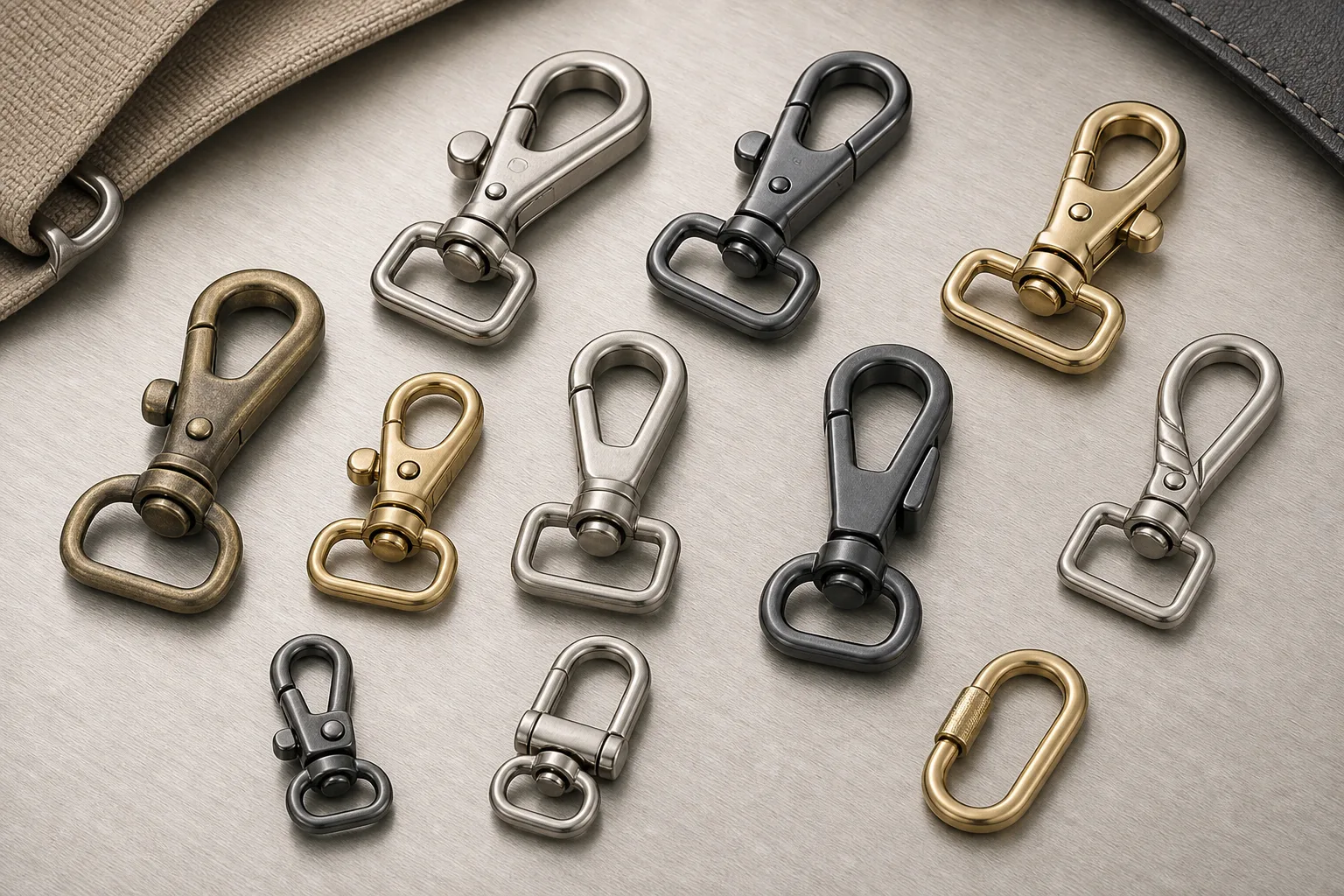
Functional hooks and clips for connections.
View Products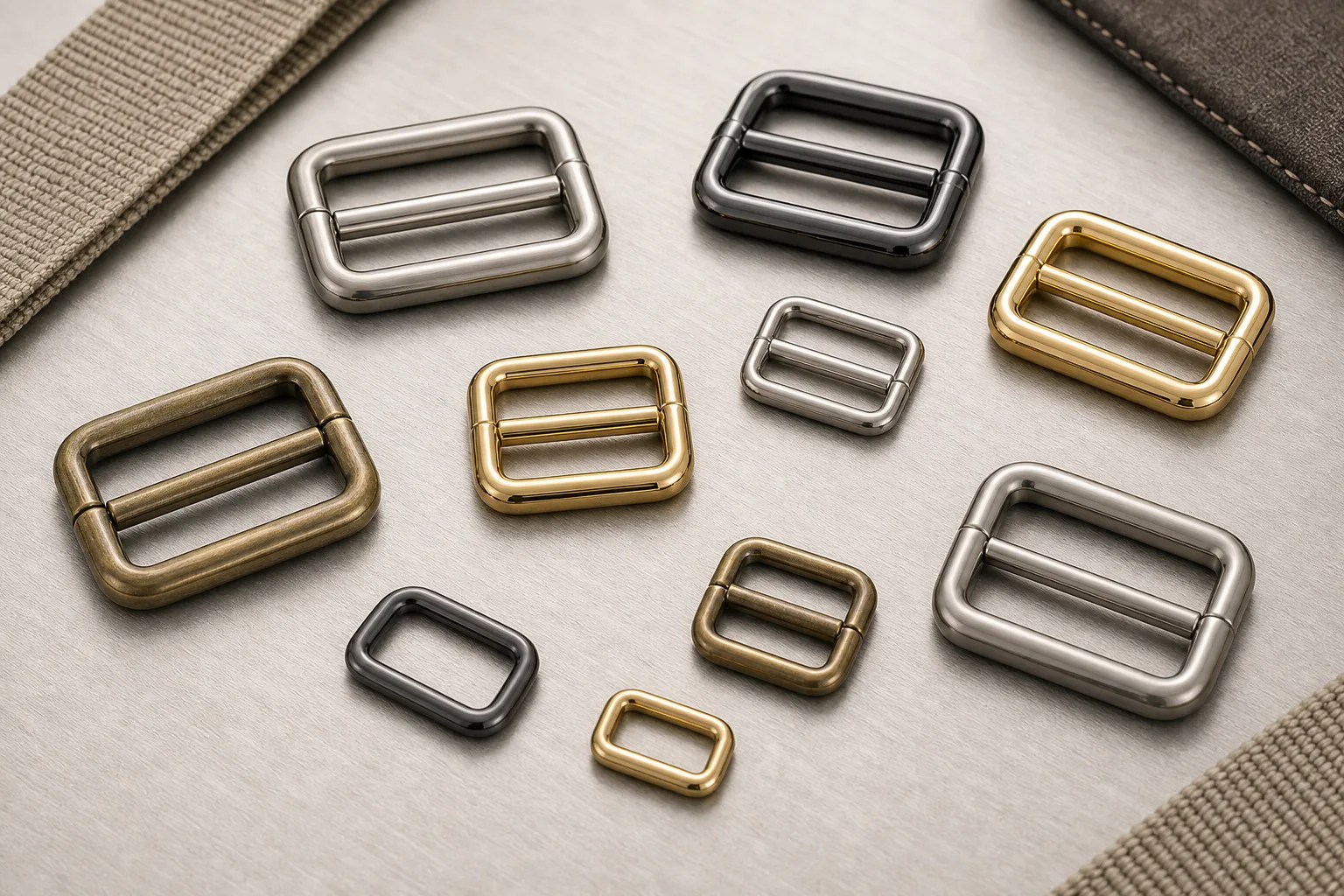
Adjustable hardware for straps and webbing.
View Products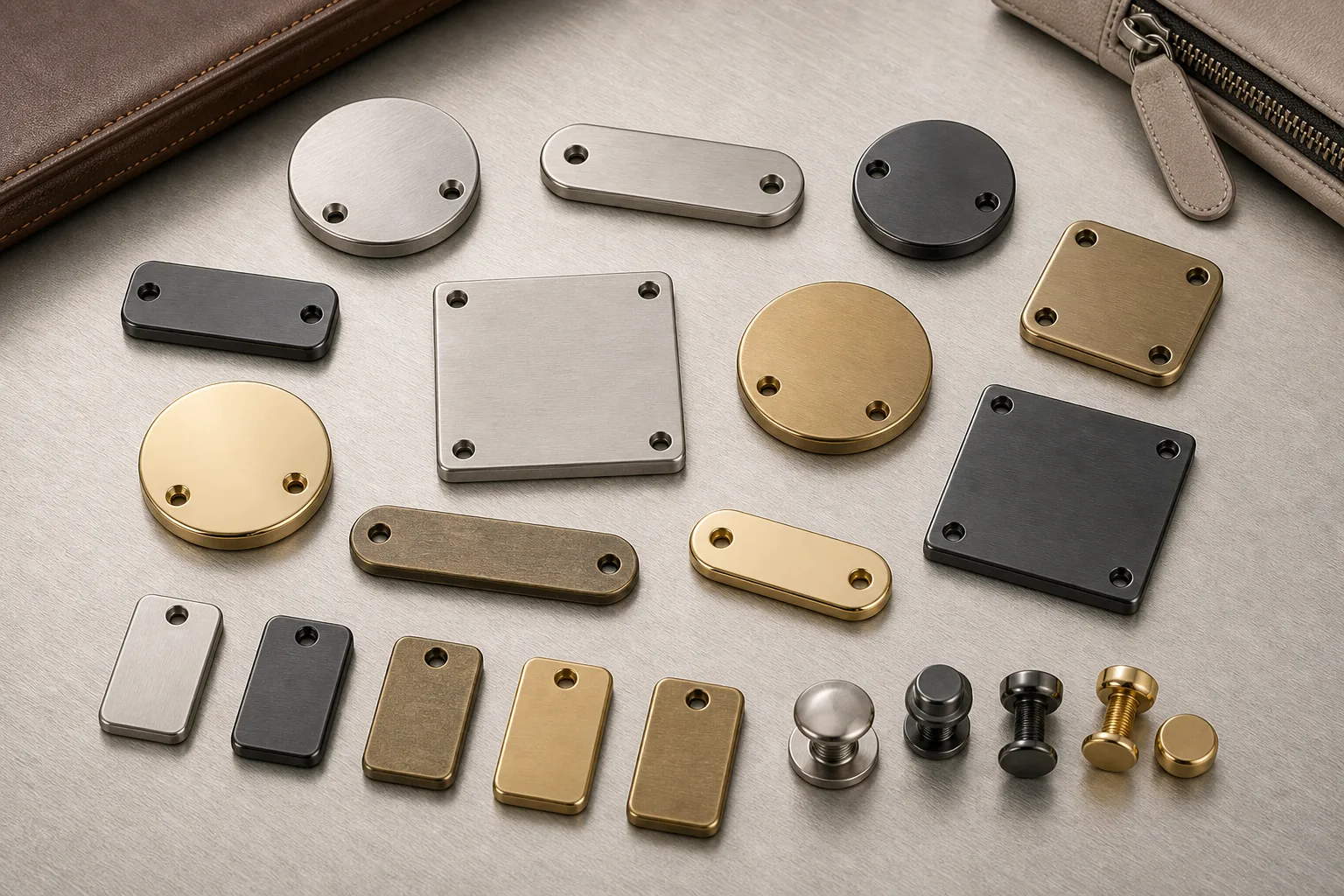
Custom logo plates and tags.
View Products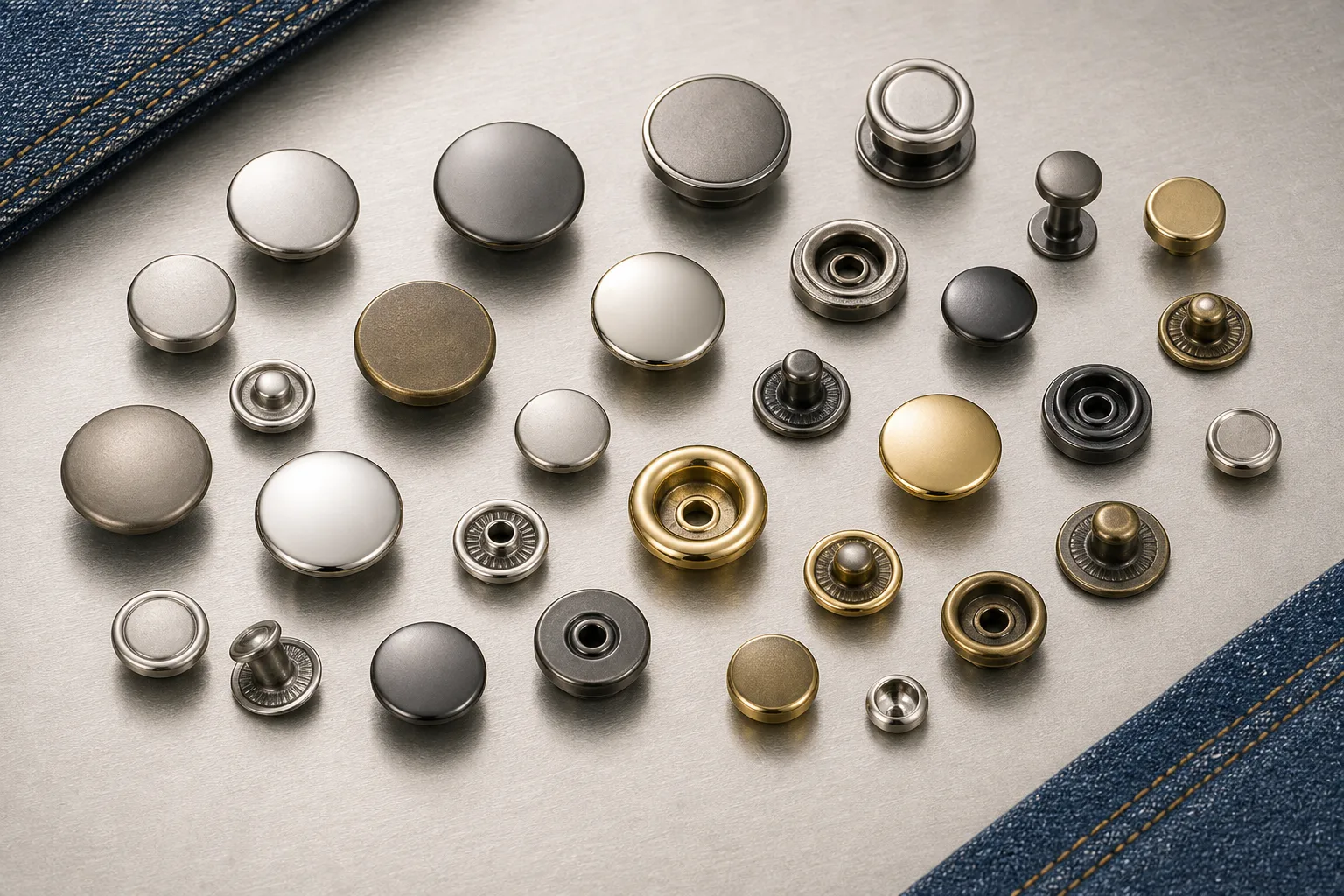
Buttons for jeans and apparel.
View ProductsBrass normally provides stronger corrosion resistance and premium weight, while zinc alloy is strong enough for many bag, garment and fashion hardware programs.
Zinc alloy is usually more cost-efficient for high-volume custom shapes. Lead time depends on tooling, finish approval and testing requirements.
Yes. Plating and finishing can create brass-like appearance, but the material weight and corrosion behavior should still be confirmed by application.
Yes. Brass has higher density and a heavier hand feel, which can be useful for premium hardware but may matter for bags or garments.
Brass is often preferred for higher corrosion exposure. Zinc alloy can still work when plating quality, sealing and testing are specified correctly.
Many finishes overlap, but plating stack, adhesion and color approval should be checked separately for each base material.
Injecting molten metal into a mould under pressure, making complex geometry, relief and undercuts economical once tooling exists.
Brass formed from solid stock by stamping, machining or forging, suiting thinner sections and turned shapes rather than sculpted forms.
The colour of the underlying metal, which becomes visible where a finish is intentionally thin, antiqued or worn back.
A comparative laboratory method in which parts are held in a controlled saline mist until a defined corrosion criterion appears. It ranks finishes against each other under identical conditions; it does not predict service life, and a result is only comparable alongside its method, conditions, finish specification and failure criterion.
Share your requirements with our experts and get a tailored recommendation.