

A factory visit that consists of a tour and a meeting tells you very little. A visit organised around a small number of specific questions, with the answers observed rather than described, tells you a great deal. The difference is entirely in the preparation.
Decide the scope before you go
Capability for your part, process control and consistency, and working conditions are three separate enquiries. Trying to cover all three superficially in one visit usually produces impressions rather than findings.
Say in advance what you want to see, so the right people and the right records are available. A visit announced only as a general tour will be treated as one.
Follow your part through the floor
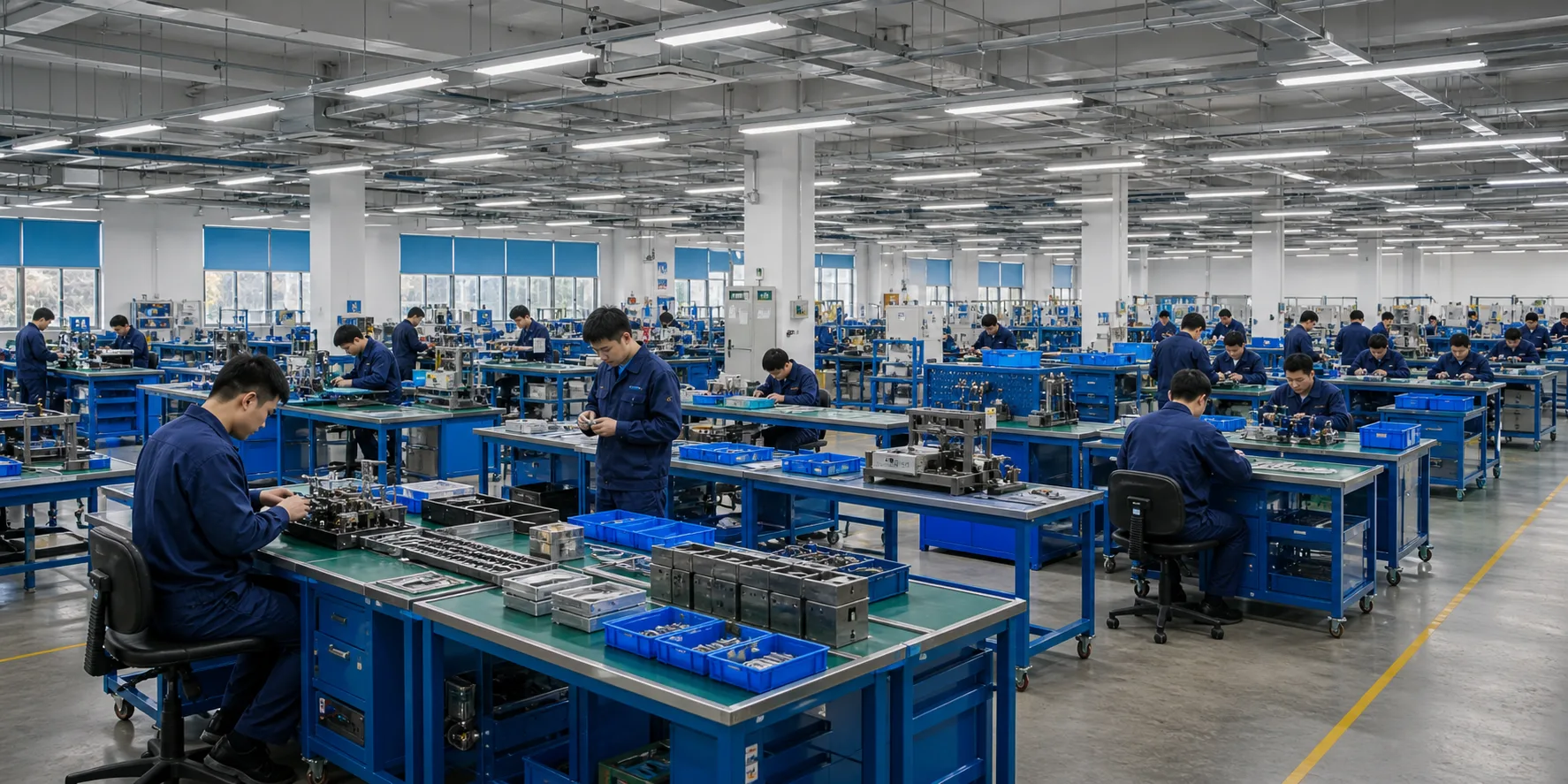
The most informative thing a buyer can do is trace a part like theirs from incoming material to packing, asking at each step what is checked and what happens when a check fails.
This surfaces the real process rather than the described one, and the answers to “what happens when it fails” are more revealing than the answers about normal operation.
Look at the records, not only the equipment
Equipment tells you what is possible; records tell you what actually happens. Inspection records, non-conformance handling, corrective actions and how a customer complaint was processed are the useful documents.
Ask to see a real example of something that went wrong and how it was handled. A supplier that can show this comfortably is usually a better prospect than one whose records show no problems at all.
Ask about the parts of the process that are outsourced
In hardware, some steps are frequently done by specialist subcontractors. Which steps those are, and how they are controlled, is a legitimate and important question.
There is nothing wrong with outsourced steps; there is a problem with outsourced steps that nobody inspects. Ask how incoming work from a subcontractor is checked.
Third-party audits and what they cover
Where a supplier holds third-party audit reports or certifications, read the scope rather than the certificate. Scope determines which sites, which processes and which product ranges are covered, and a certificate is only meaningful within it.
This guide makes no statement about what any particular supplier holds. Ask for the documents, check the scope against your product, and verify currency directly with the issuing body where that is possible.
What to prepare and take with you
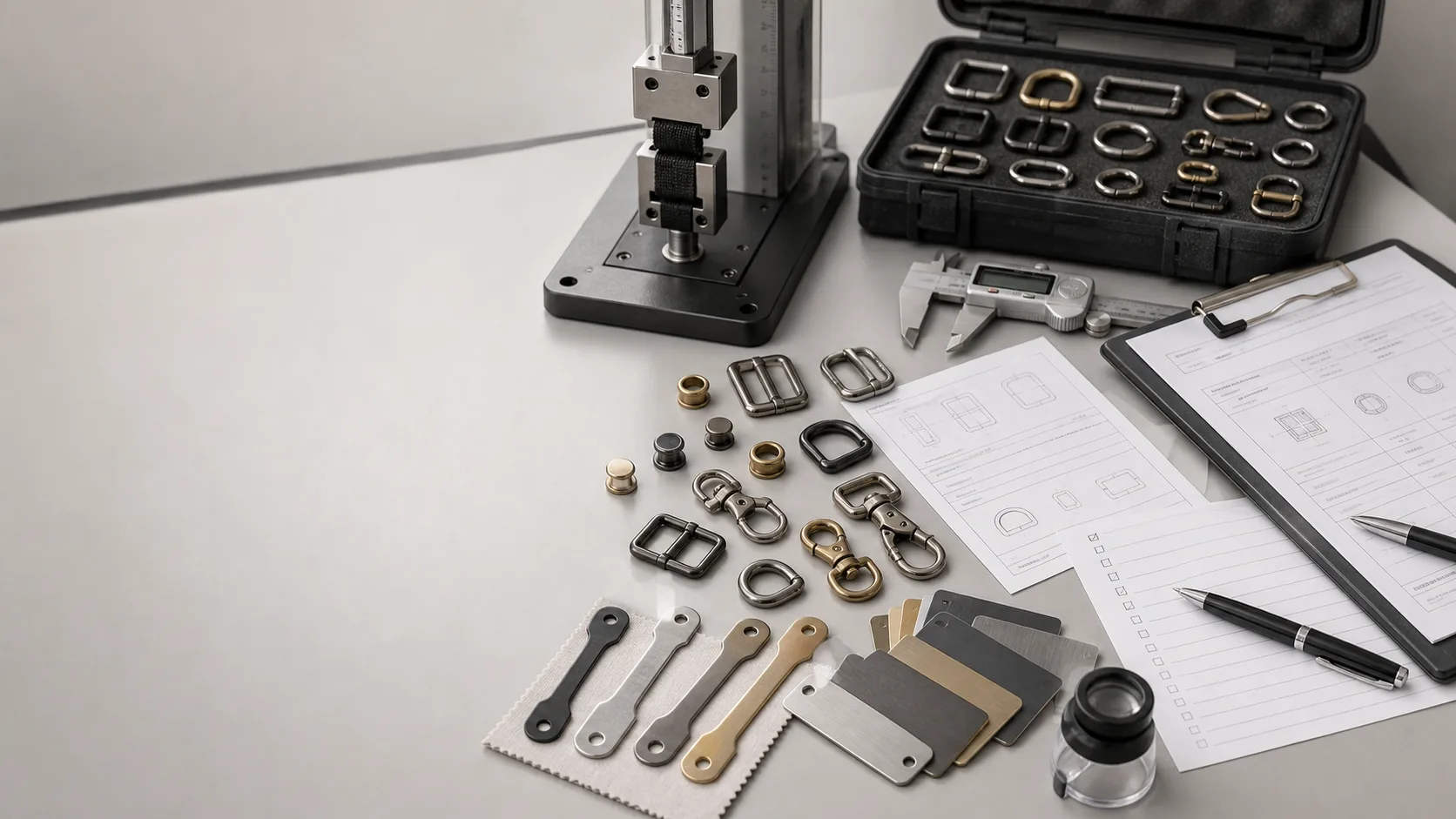
Your specification and drawing, the questions you need answered written down, a checklist of what you want to observe rather than discuss, any previous quality issues to trace, and enough time to follow one part end to end without being hurried.
Write your findings the same day. Impressions fade quickly, and a visit that is not written up produces very little that survives to the next decision.
Prepare an audit around specific questions, trace a part like yours through the whole process, read records rather than only viewing equipment, and check the scope of any third-party documents against your own product.
 Quality Guides
 Quality Guides
 RFQ & Sample Guides
 RFQ & Sample Guides
 Quality Guides
 RFQ & Sample Guides