
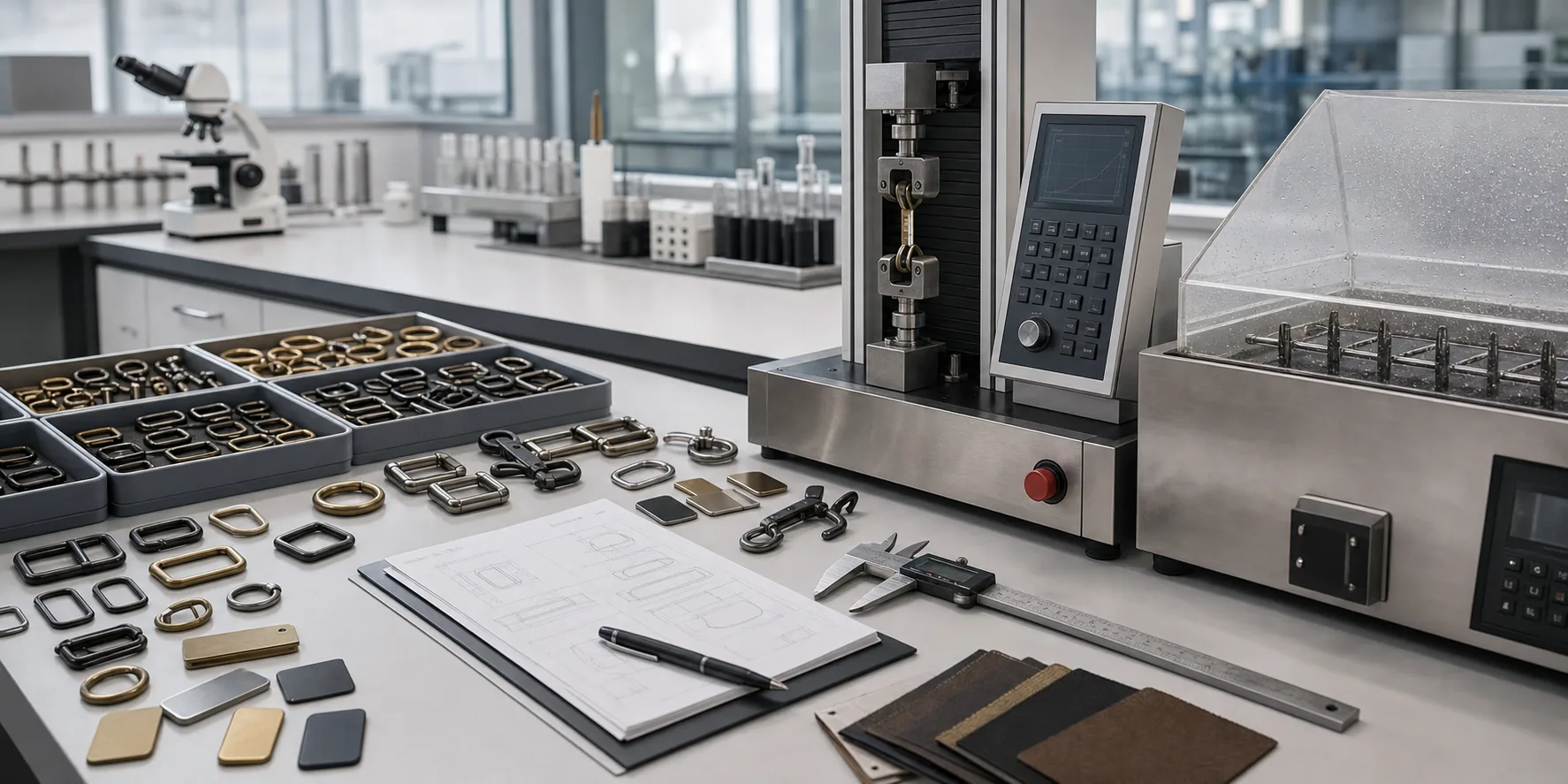
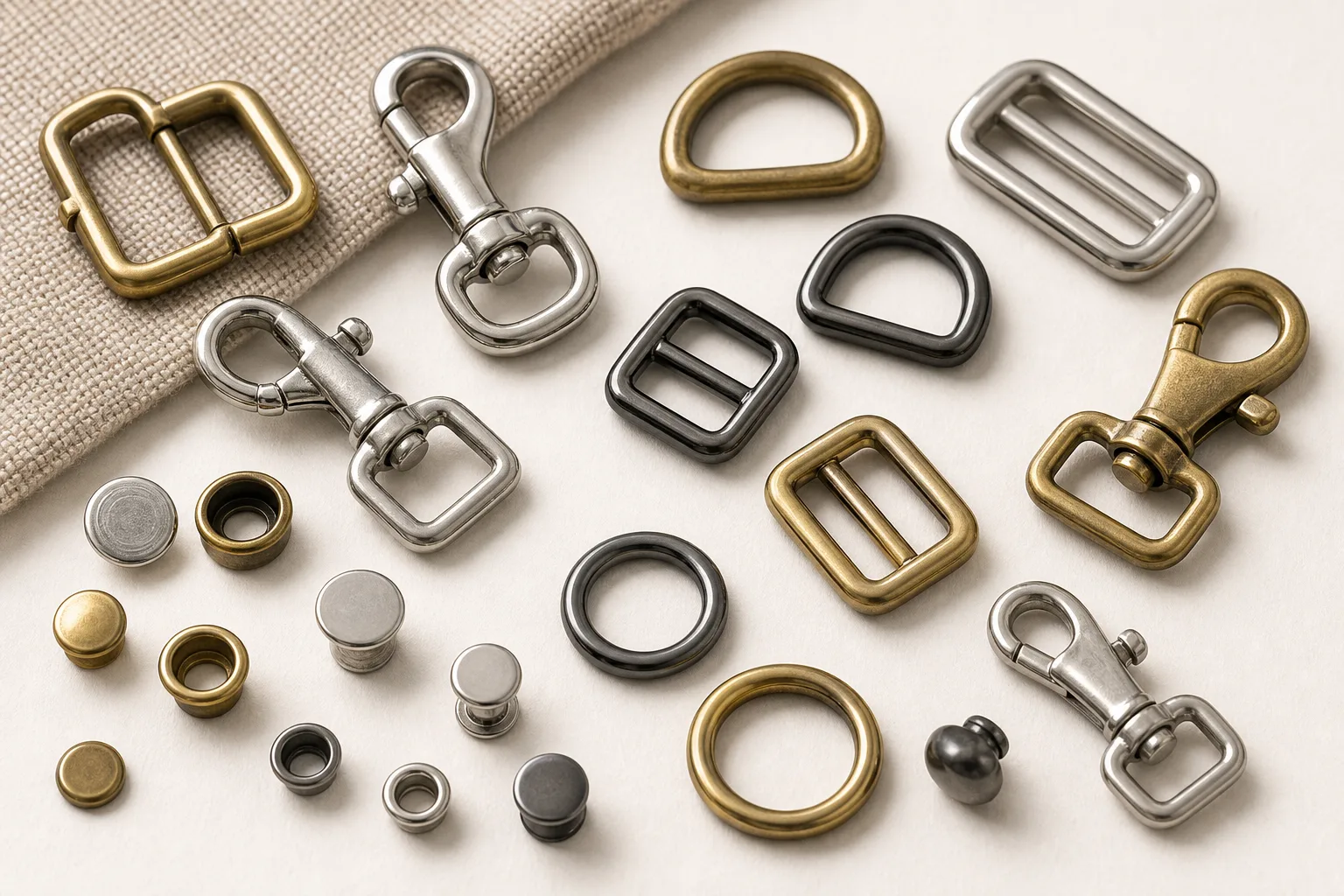
Buyers often equate quality control with final inspection. Final inspection is necessary, but by the time it happens every part exists, and the options are limited to accepting, sorting or rejecting. The inspection points that change outcomes come earlier.
Incoming material
Material arriving at the factory can be checked for grade, form and obvious defects before anything is made from it. This is where a material substitution or a lot problem is cheapest to catch.
For a buyer, the useful question is not whether incoming checks exist but what is recorded and what happens when a lot fails. A check with no recorded outcome is not a control.
First article at the start of the run
Parts taken from the beginning of production and checked against the specification catch setup errors, tooling problems and finish drift while the run can still be stopped.
On a new part this is the single highest-value inspection point. Asking for first-article confirmation with photographs, before the run continues, costs very little and prevents the expensive category of problem.
In-process checks during the run
Long runs drift: tools wear, finishing baths age, operators change. Periodic checks through the run detect drift while only part of the quantity is affected.
Ask what is checked during the run, at what frequency, and what is done with the result. Frequency without a documented action on failure does not protect you.
Final inspection and what it can prove
Final inspection is normally a sampled check against agreed criteria. It is good at detecting a widespread problem and much weaker at detecting a rare one, which is a property of sampling rather than a deficiency in the inspector.
Understand what your inspection plan can and cannot detect, and do not rely on it to catch an occasional defect that matters greatly to your customer. That situation needs a process control, not more sampling.
Writing checks that produce usable answers
A check needs a method, a criterion and a record. “Check the finish” produces an opinion; “compare against sealed reference and limit samples under the agreed lighting, record pass or fail per carton” produces information.
Where a criterion is dimensional, state the measurement point. Two people measuring the same feature at different places get different answers and both are being honest.
What to agree with your supplier
The check points, what is checked at each, the criteria and references used, the sampling basis at final inspection, what is recorded, what happens when a check fails, and who is informed.
This guide states no acceptance figures or sampling levels, because those depend on your product, your risk tolerance and any scheme you have adopted. Agree them explicitly for your order rather than assuming a default.
Inspect at incoming material, first article and through the run — not only at the end. Give each check a method, a criterion and a record, and agree what happens on failure before production rather than after.
 Quality Guides
 RFQ & Sample Guides
 Quality Guides
 Quality Guides
 RFQ & Sample Guides
 RFQ & Sample Guides
 Quality Guides