
The gap between an approved sample and a first bulk delivery is where most first-time sourcing relationships get into difficulty. Very little of it is caused by anything going wrong — most of it is the normal behaviour of production, which simply had not been discussed.
Why bulk is not a bigger sample
A sample is a small number of parts made under close attention. Bulk is many parts made across batches, potentially on different days, with material lots that differ slightly and finishing baths that age through the run.
This is normal and expected. The question is not whether there is variation but how much is acceptable and how it is judged.
Agree the acceptance basis first
For appearance, the workable approach is a sealed reference plus an agreed tolerance in the form of limit samples — one at each acceptable extreme — rather than a single perfect part.
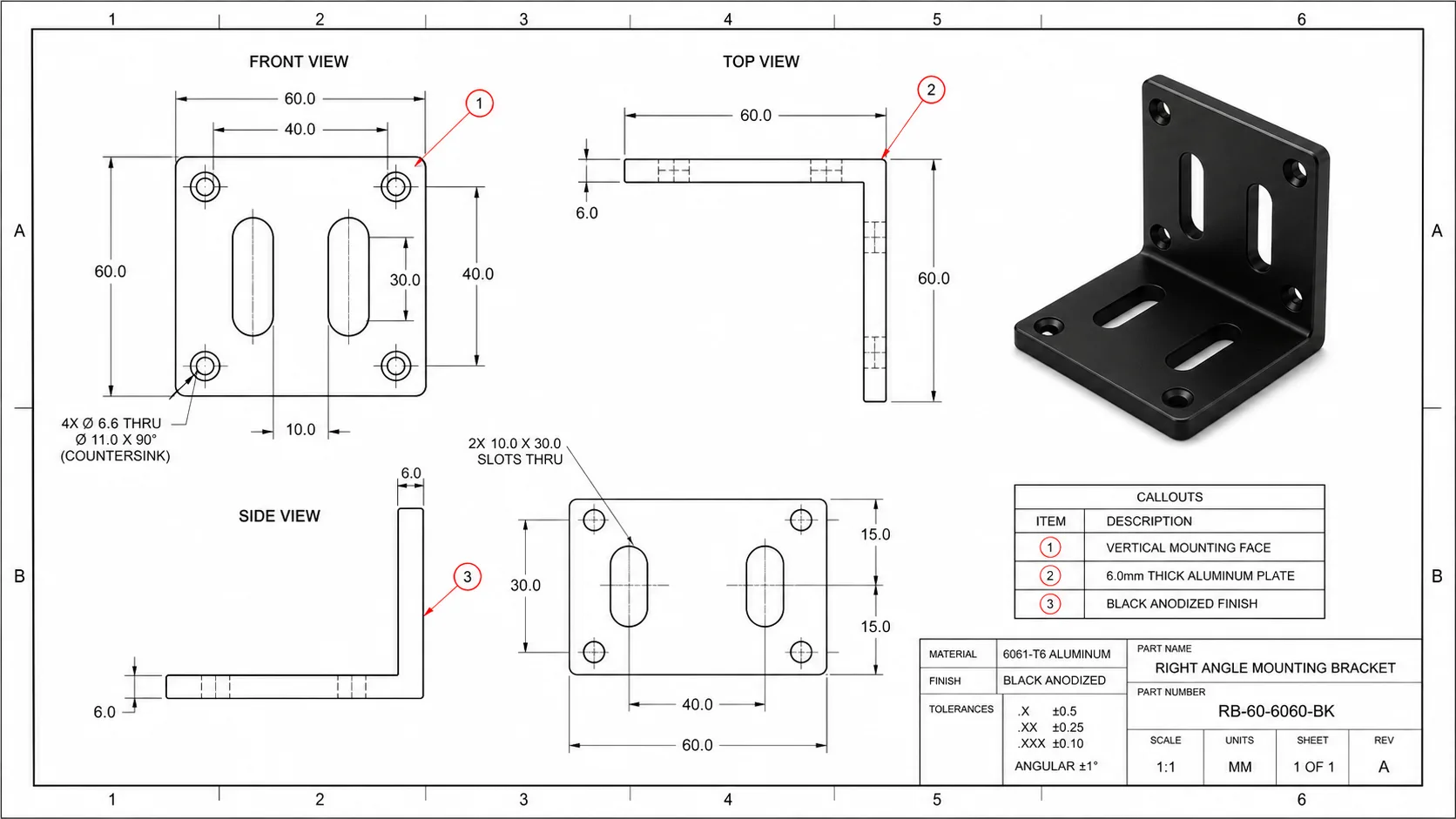
For dimensions, the specification sheet should already carry tolerances on the functional features. If it does not, that gap will be discovered during an inspection dispute rather than before.
Batch consistency within an order
Parts within one order may come from more than one production batch, particularly on larger quantities. Whether batches must match each other, or only match the reference, is a decision that should be stated.
If your product presents multiple parts adjacent to each other, batch matching within a shipment matters more than it does when parts are used singly.
Repeat orders and drift over time
Across repeat orders over months or years, small drift accumulates: material lots, finishing chemistry, tool wear. Without a retained reference, the drift is invisible until someone compares a new delivery with an old product.
Retain a sealed reference on both sides and agree how long it governs. This is inexpensive and prevents the most frustrating category of dispute.
First article and the first delivery
A first article from the production run, checked before the run completes, catches problems while they are still correctable. Discovering them at final inspection means the correction happens after the parts exist.
Ask for first-article confirmation on a new part rather than only a final inspection. It changes the cost of a mistake substantially.
What to agree before production starts
The sealed reference and who holds it, limit samples where appearance matters, dimensional tolerances on functional features, whether batches must match each other, first-article confirmation, packing and labelling, and what happens if parts fall outside the agreed basis.
Settling these takes one conversation and removes most of the situations where a delivery is technically acceptable to one side and not the other.
Bulk differs from a sample in ways that are normal and predictable. Agree the acceptance basis — sealed reference, limit samples, tolerances, batch matching — before production, and use a first article to catch problems while they are still correctable.
 RFQ & Sample Guides
 RFQ & Sample Guides
 RFQ & Sample Guides
 RFQ & Sample Guides
 RFQ & Sample Guides
 RFQ & Sample Guides
 RFQ & Sample Guides