
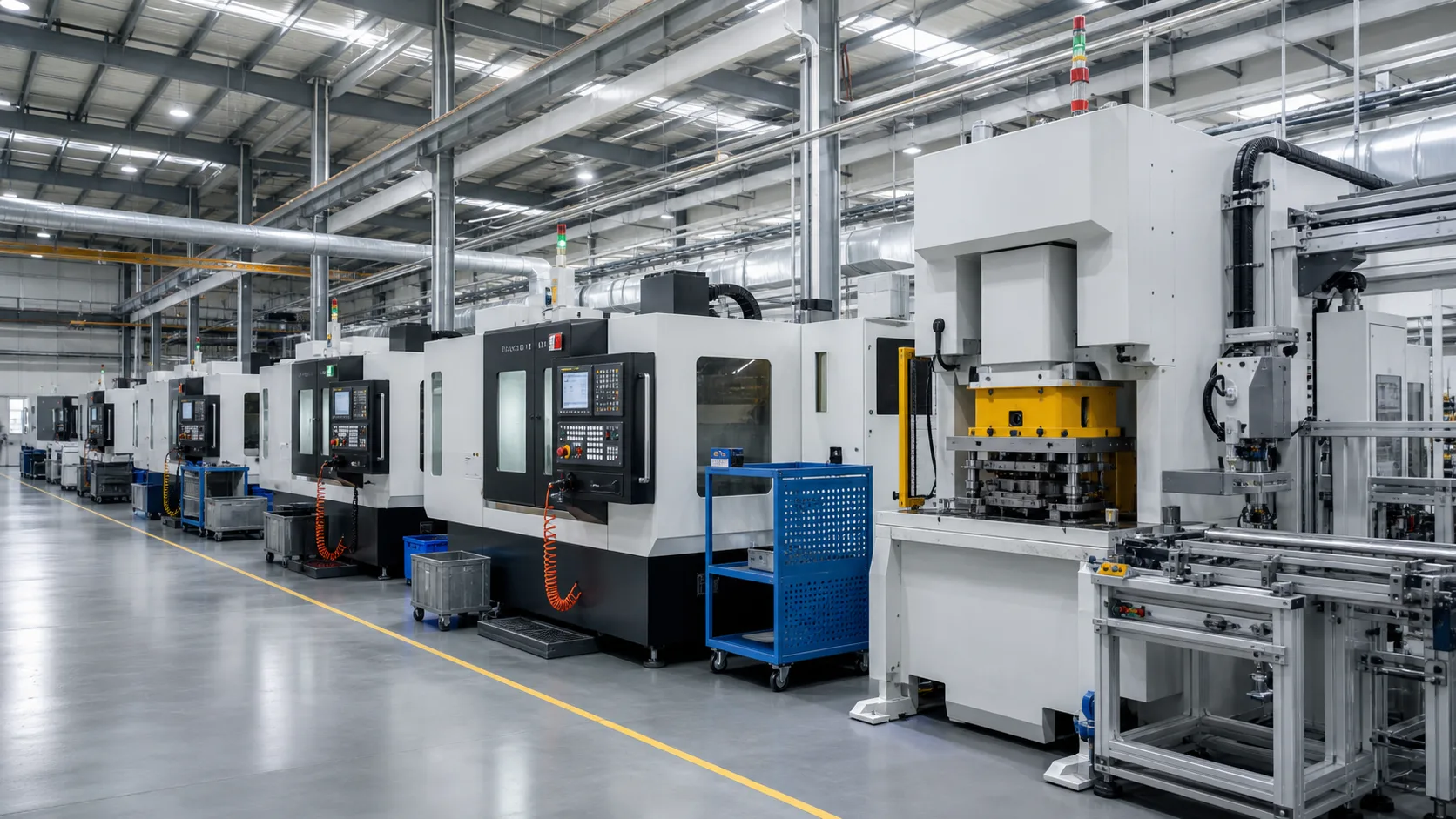
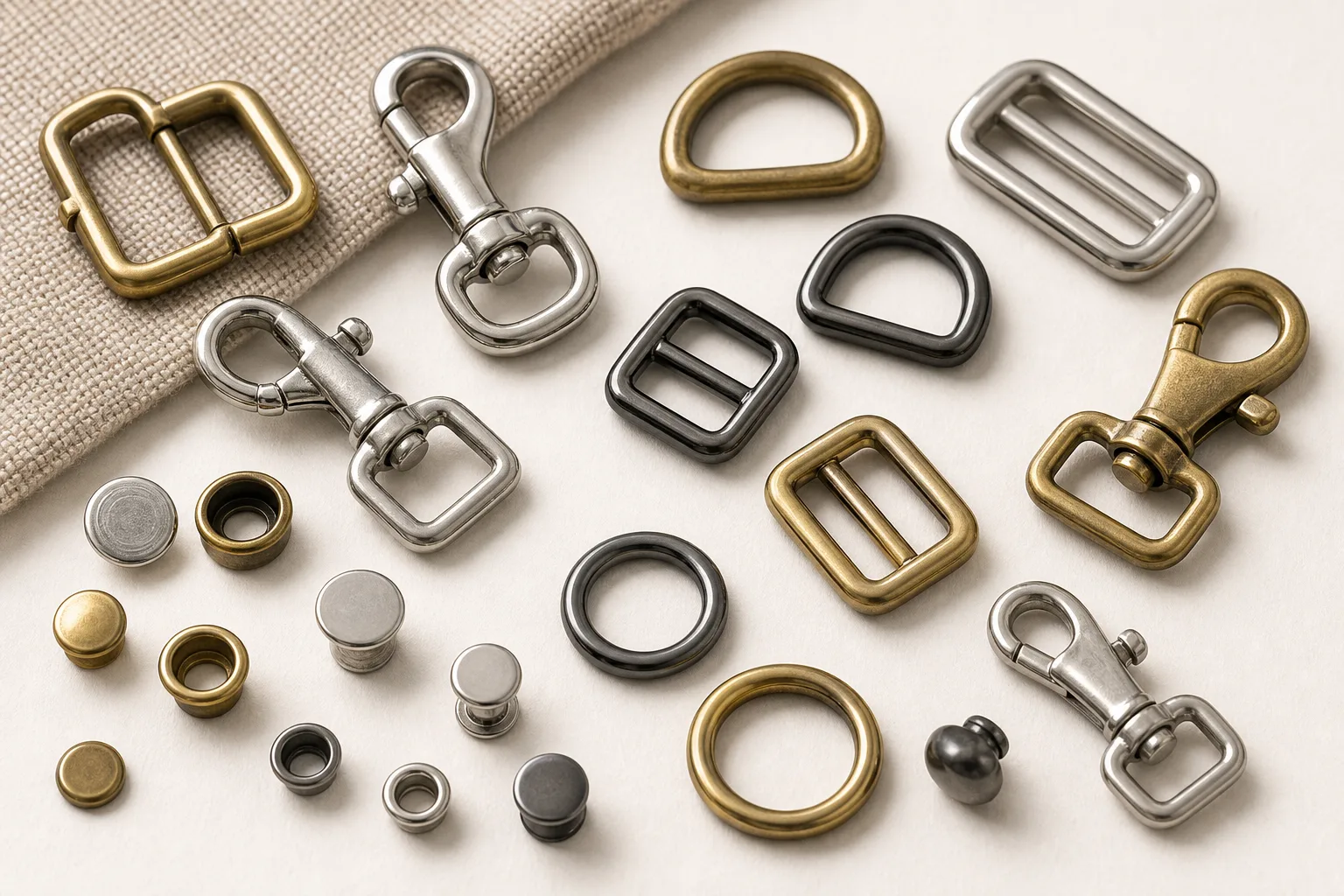
Lead time discussions tend to focus on the factory. In practice a large share of elapsed time sits before production starts and in the finishing queue afterwards — and a meaningful part of it is decided by how quickly approvals come back.
Before anything is made
Confirmation of specification, artwork approval, sample sign-off and order placement all happen before the production clock starts. On a first order this stage frequently takes longer than production itself.
It is also the stage most within your control. Approvals returned complete and promptly compress it substantially; approvals returned piecemeal extend it in a way no scheduling can recover.
Material availability
Standard materials in common grades are normally available; unusual alloys, specific grades or particular stock forms may not be, and that becomes a procurement lead time before production.
Where a material choice is unusual, ask about availability at quotation stage rather than after ordering. It occasionally changes which material is the better answer.
Scheduling and the production queue
A factory runs many orders through shared equipment. Your order occupies a slot in a schedule, and how quickly a slot is available depends on current load rather than on your part.
This is why the same part can quote different lead times at different times of year, and why flexibility on timing sometimes buys a better price.
Finishing is a queue as well as a process
Finishing is usually batched, which means parts wait for a batch as well as taking time within it. A finish requiring several steps waits several times.
Where timing is critical and the finish is not, asking which finishes are currently running can be more effective than asking for the whole order to be expedited.
Inspection, packing and shipping
Final inspection, any required documentation, packing and labelling all take time after production completes, and shipping mode then dominates the remaining schedule.
Where documents must accompany the goods, confirm what is needed early. A shipment held for a document is a familiar and entirely avoidable delay.
What actually causes late deliveries
In practice: specification changes after the schedule was set, approvals returned slowly or partially, artwork supplied late, a material or finish confirmed only after ordering, and documentation requirements raised near shipment.
This guide gives no lead-time figures, because they depend on the part, the finish, current load and shipping mode. Ask for a stage-by-stage schedule for your order, and note which stages depend on you.
Lead time is a chain, and the buyer owns several of its links. Return approvals complete and quickly, settle material and finish before ordering, raise document requirements early, and ask for a stage-by-stage schedule rather than a single number.
 RFQ & Sample Guides
 RFQ & Sample Guides
 RFQ & Sample Guides
 RFQ & Sample Guides
 RFQ & Sample Guides
 RFQ & Sample Guides