
Antique finishes are chosen because they look worked and hide handling marks. Those same qualities make them the hardest finishes to specify, because what you are asking for is a controlled irregularity — and controlled irregularity is much harder to describe in words than an even surface.
How an antique effect is built
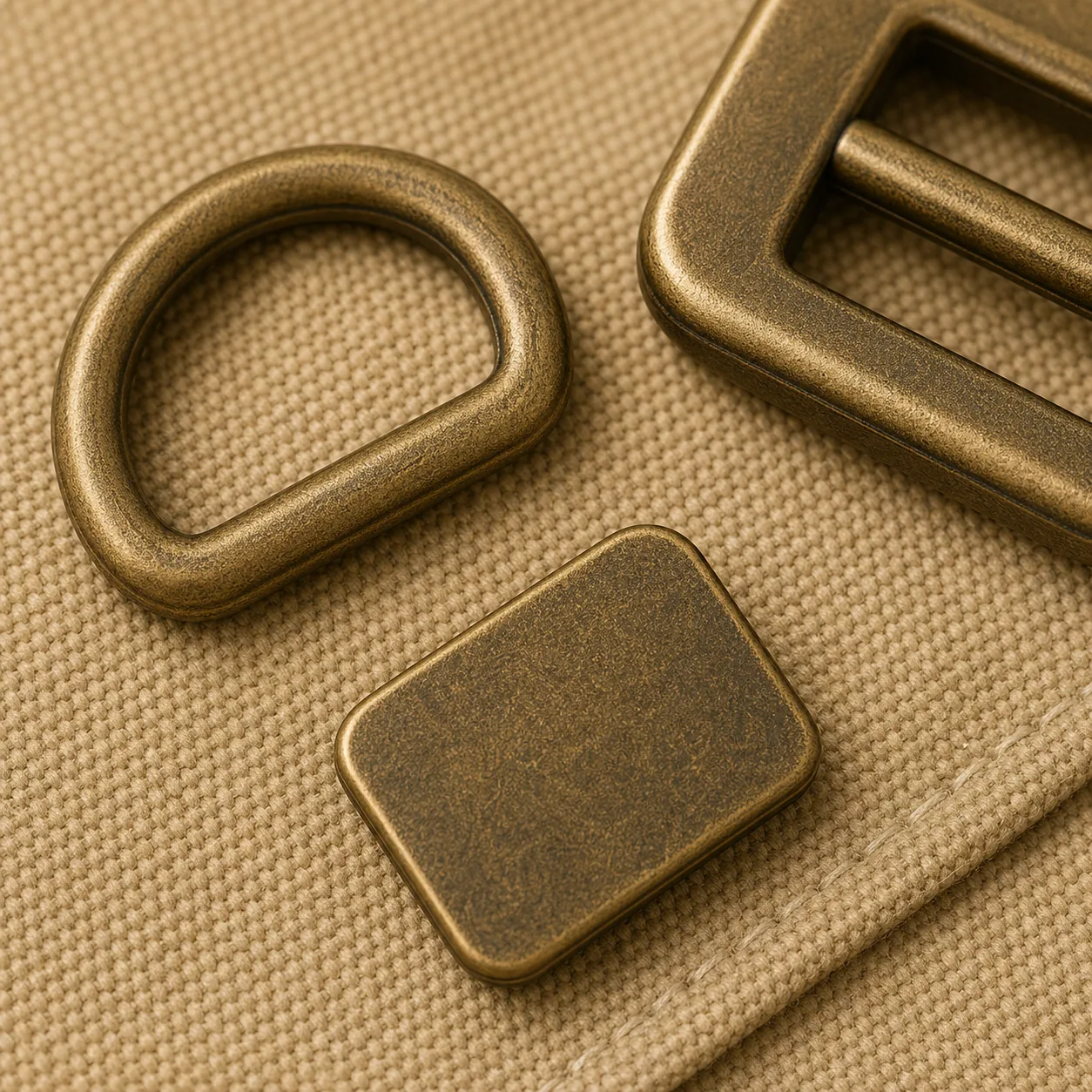
The general approach is a base tone, then a darkening step that fills recesses, then a relieving step that removes darkening from the raised areas. The result reads as a metal that has been handled for years, with darkness where dirt would gather and brightness where hands would rub.
Because the last step is a removal, the effect depends on the part geometry. Deep relief gives strong contrast; a flat part gives very little, and an antique finish on a flat surface often just looks patchy rather than aged.
Warm and cool, and what they suit
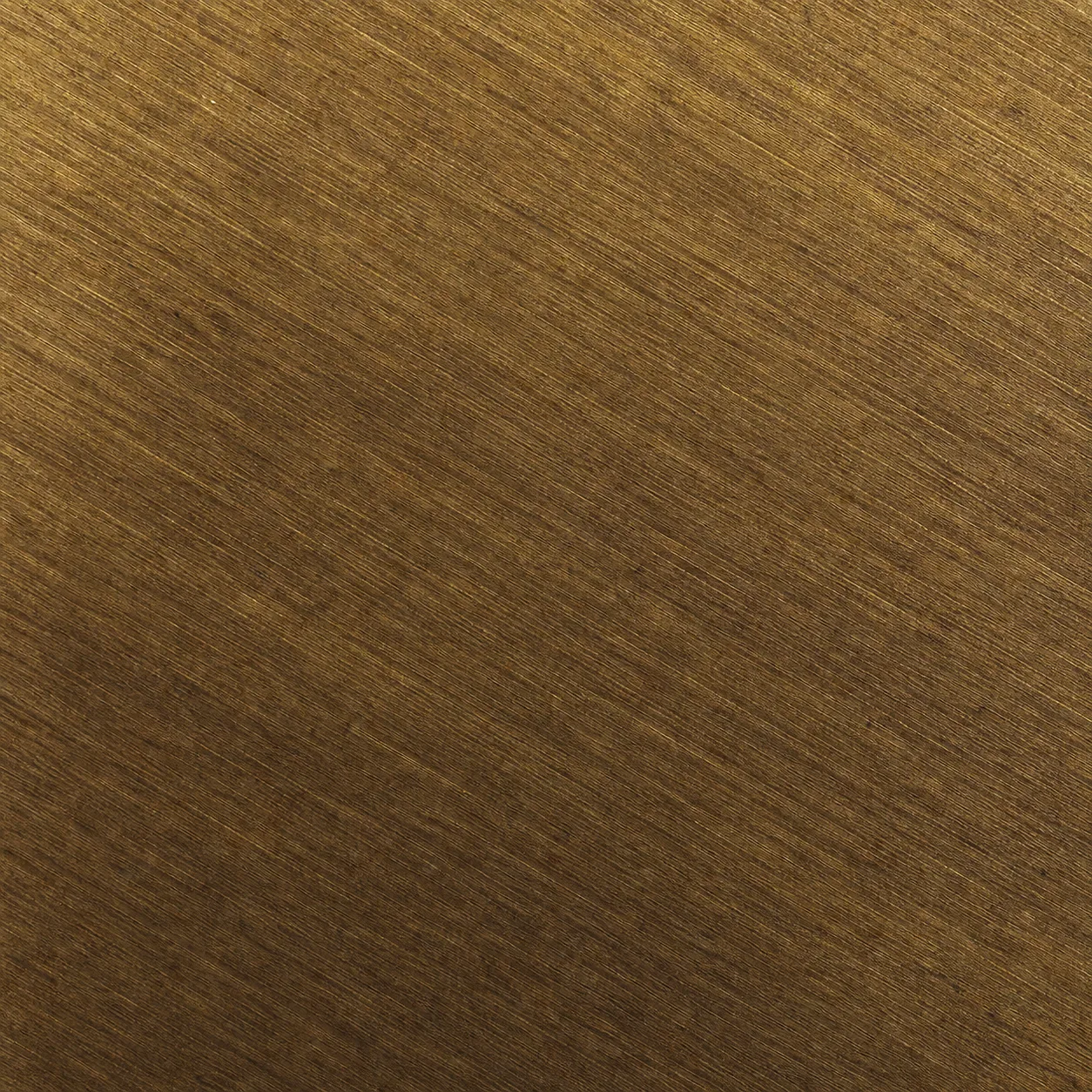
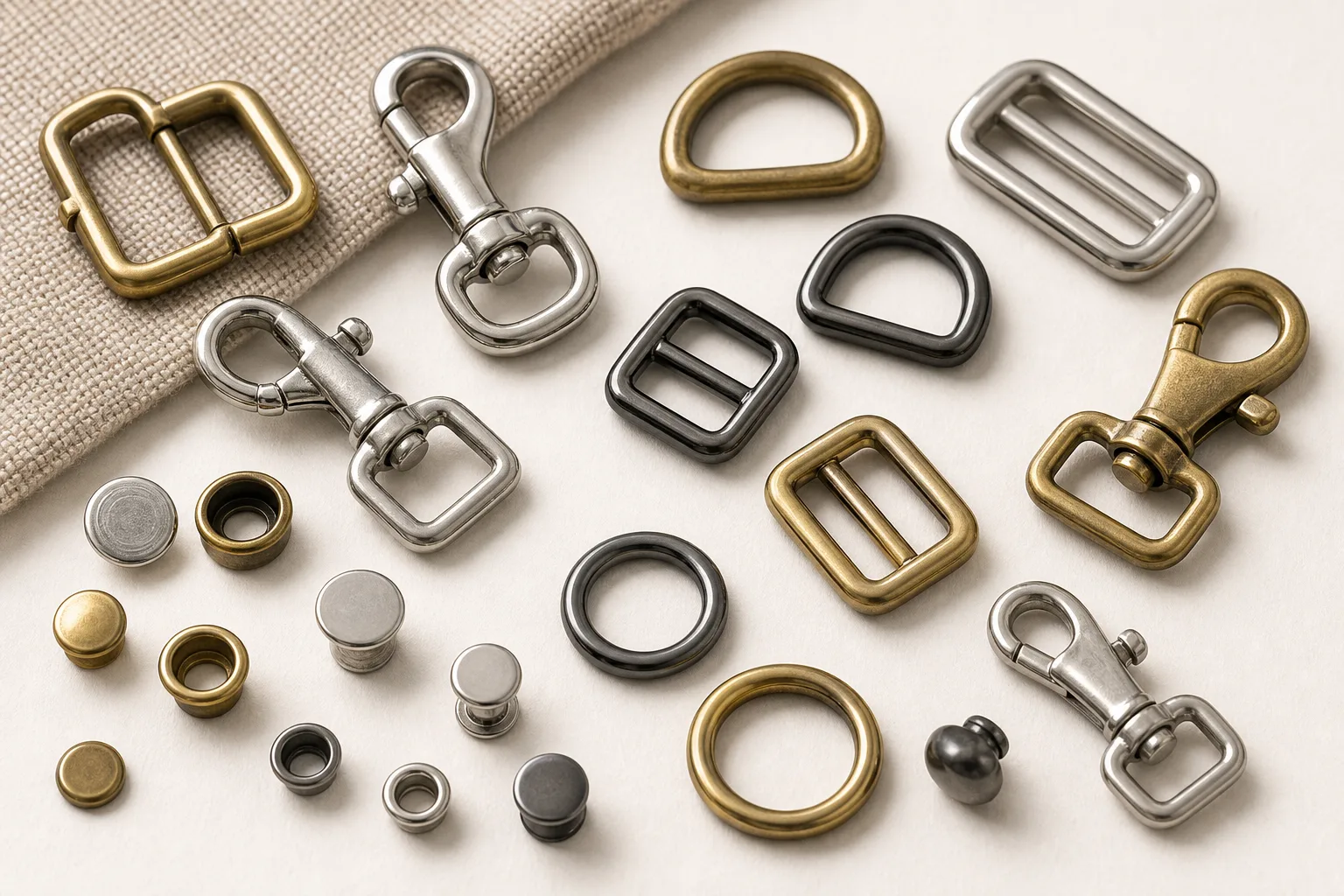
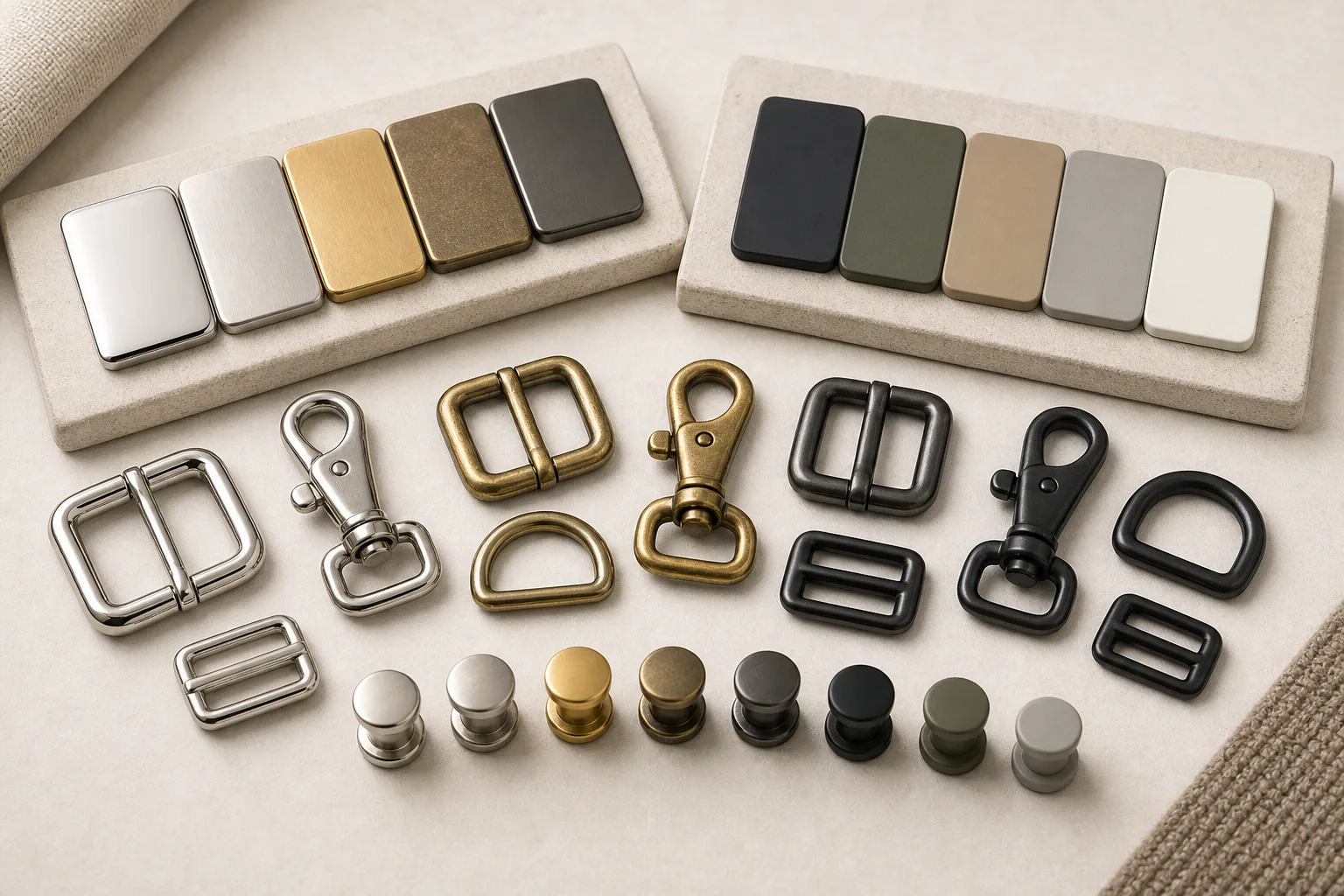
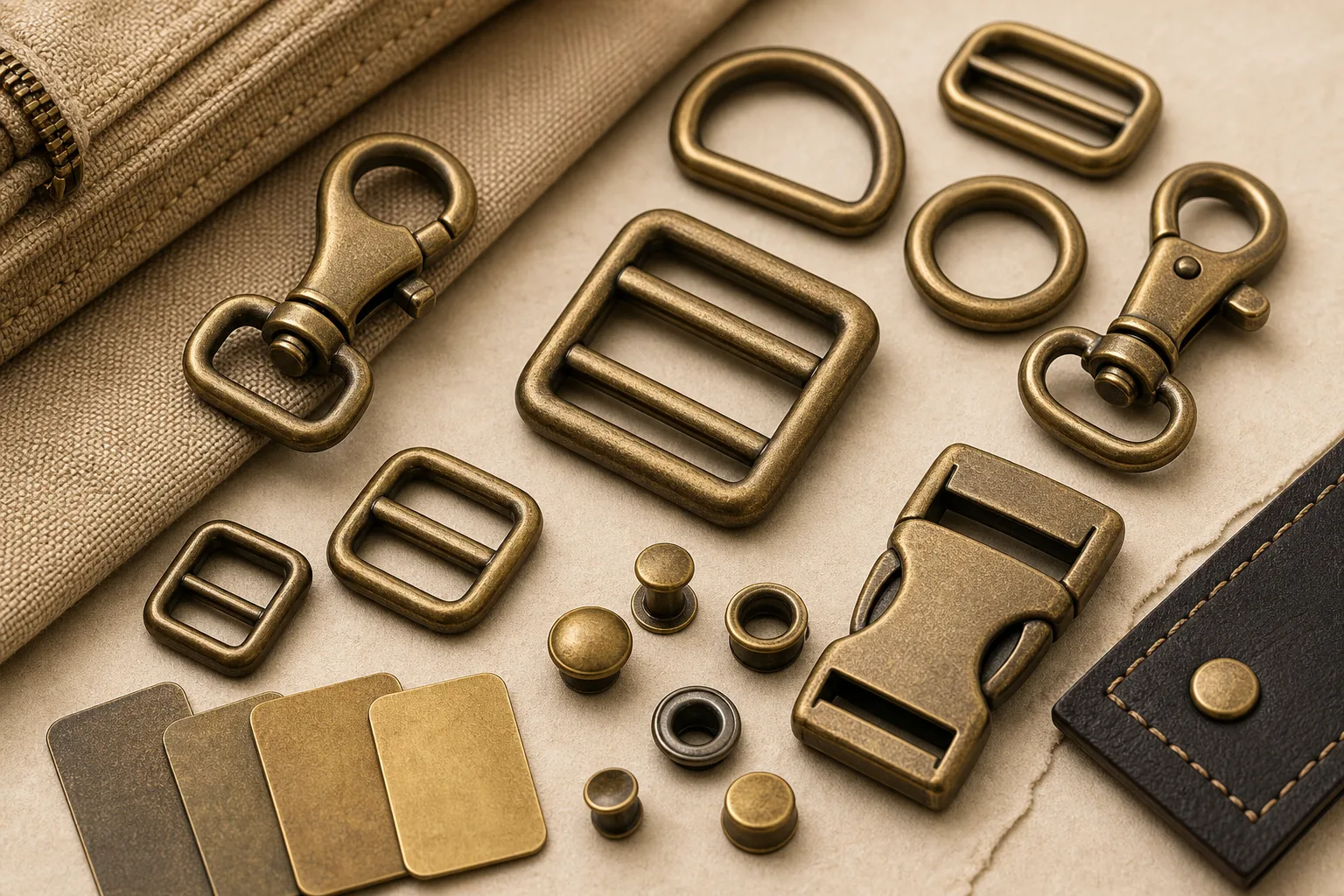
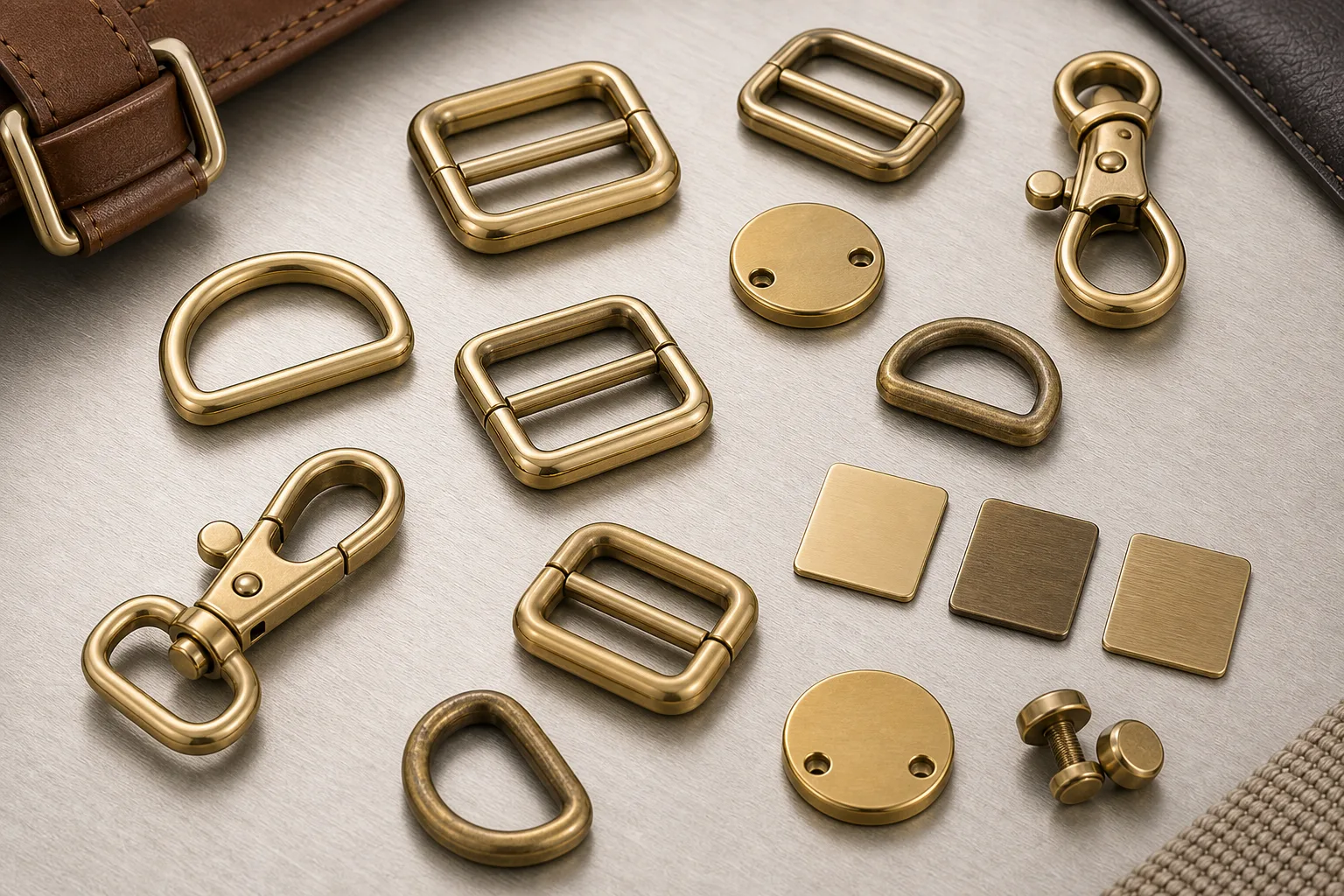
Antique brass reads warm and traditional and sits comfortably with leather, natural fabrics and heritage-styled products. Antique silver reads cooler and more neutral and pairs with grey, black and technical materials.
The choice is usually made against the product palette rather than in isolation. Bring the actual leather or fabric to the finish decision, because a warm antique against a cool grey fabric can read as a mismatch even when both are attractive on their own.
Why matching is the real problem
An even finish is matched by controlling the process to a target. An antique finish has to match a distribution: how dark the recesses go, how far the relieving cuts back, how much variation is acceptable between pieces.
That cannot be captured by a colour name. It needs physical samples showing the acceptable range, and ideally a pair of samples marking the light and dark limits so that batch acceptance is a judgement inside stated bounds rather than an argument.
Geometry changes the result
The same antique process applied to a deeply cast buckle and a flat stamped plate produces two different-looking results, because the effect depends on relief. On a hardware set mixing constructions, this shows up immediately.
The practical response is to approve the full set together rather than approving one part and assuming the rest will follow, and to accept that some parts in a set may need a slightly adjusted process to read as belonging.
How they age in use
Antique finishes hide wear better than even finishes, because the surface is already varied. Continued handling tends to extend the existing effect rather than create an obvious mark, which is one reason they are popular on products expected to be used hard.
This guide does not state how long any antique finish will hold, because that depends on the plating stack, the relieving depth and the handling. If longevity matters, agree the test and the standard as a separate item.
What an approval needs to cover
Physical samples of every part in the set, seen together, under the intended lighting; stated acceptable range, ideally as light and dark limit samples; a note of which geometry each sample represents; and a statement that batch matching is against those samples.
Also state the process after assembly. Antique finishes on garment trims go through washing, and washing interacts with a relieved surface differently from an even one.
Antique brass and antique silver are the same technique in warm and cool families. The finish decision is easy; the sourcing work is matching, because the effect is deliberately uneven and depends on geometry. Approve limit samples for the whole set, not a colour name.
 Finish Guides
 Finish Guides
 Finish Guides
 Finish Guides
 Finish Guides
 Finish Guides