
Buyers usually discuss plating as a colour. It is a stack of layers built on a prepared surface, and knowing that changes which questions are worth asking — particularly when two suppliers quote the same finish name at different prices, which usually means different stacks.
Preparation decides most of the outcome
Before anything is deposited, the part is cleaned, degreased and often mechanically prepared — tumbled, polished or blasted. Contamination or a poor surface at this stage shows up later as poor adhesion, blistering or an uneven appearance, and no amount of topcoat fixes it.
This is also where cast parts get their parting lines and flash addressed. A casting that goes into plating with rough flash comes out with plated rough flash.
Underlayers and why they exist
Most hardware finishes are not a single deposit. Underlayers provide adhesion, level the surface, and act as a barrier between the substrate and the visible layer. The number and thickness of those layers is a large part of what separates a cheap plating job from a durable one.
When comparing quotations for the same finish name, the difference is often here. Asking what the stack is makes an otherwise opaque price difference legible.
The visible layer and colour control
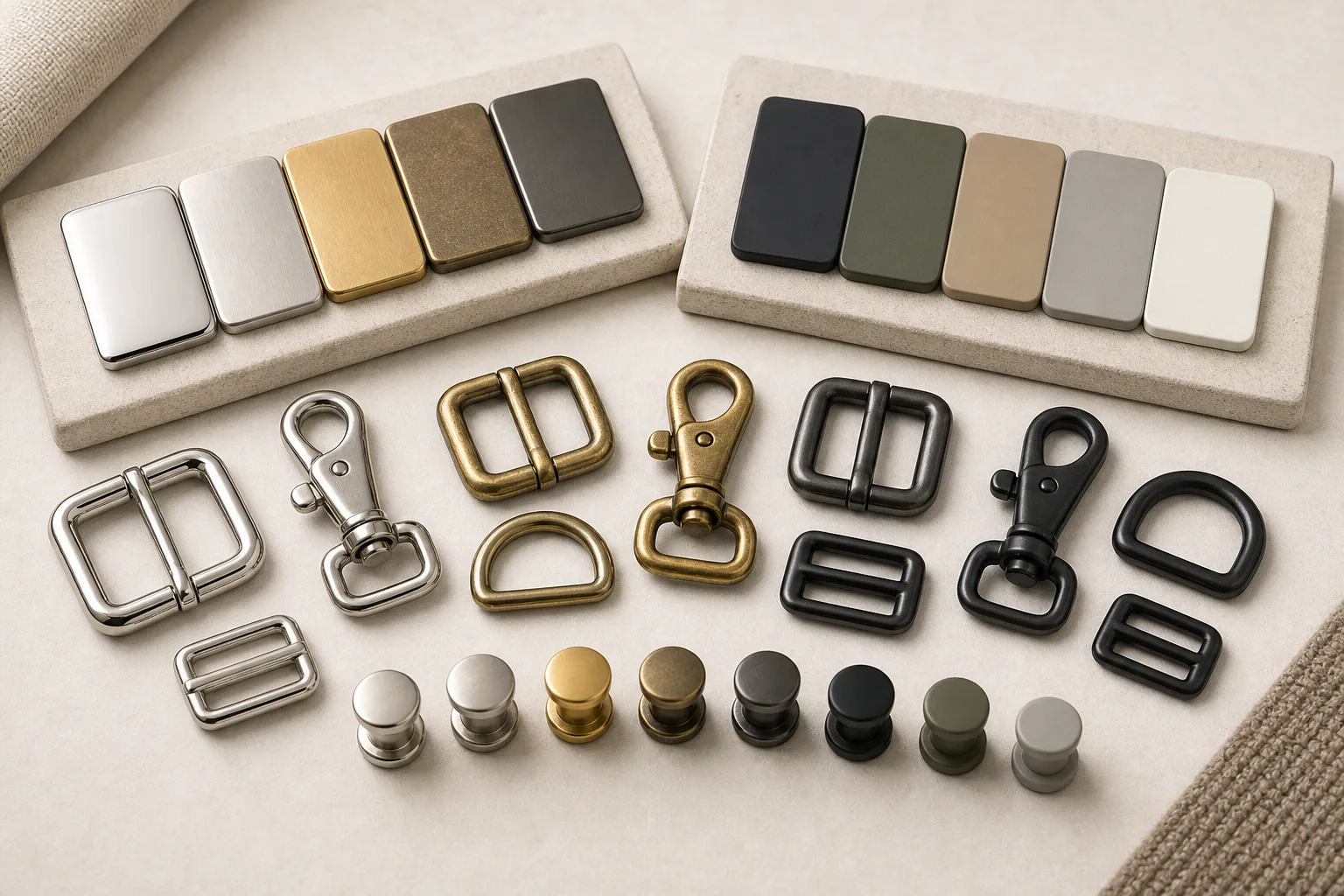
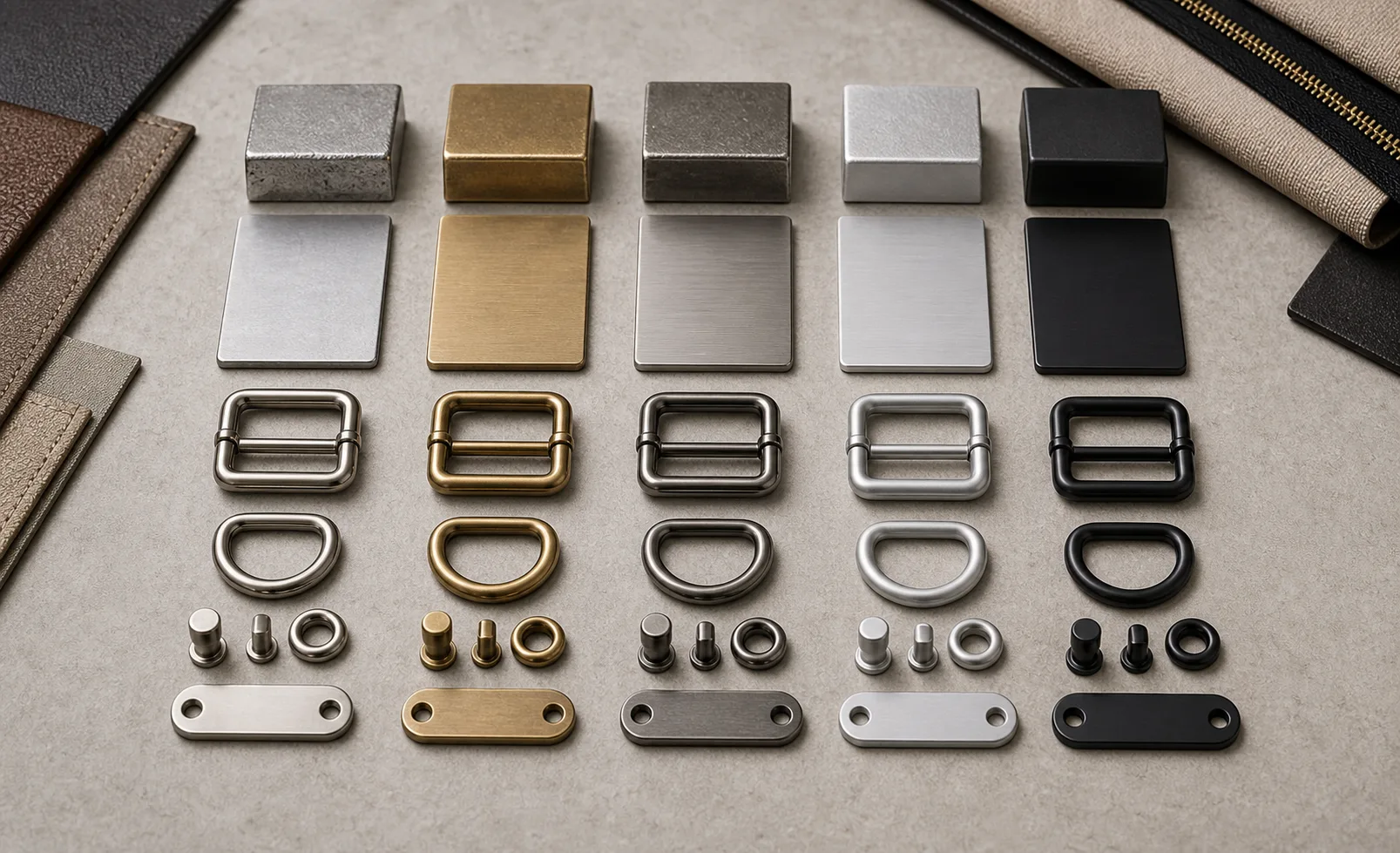
The topcoat gives the colour, and colour is controlled by bath chemistry and process conditions. Small variations show as tone drift, which is why batch matching against a physical approved sample matters more than a colour name.
Antique effects add darkening and relieving steps after the main deposit, which is why they are harder to match — there are more variables in the sequence.
Geometry effects
Current density is not uniform over a complex part. Edges and prominent features tend to receive more deposit; deep recesses and internal corners receive less. On a sculpted part, that means thickness varies by position.
This is normal and is managed by racking and process design, but it explains why a recess can look different from a face and why very deep features are hard to plate evenly. Raise geometry concerns before tooling if the design has deep pockets.
What a buyer can usefully specify
A physical approved sample, a statement that batch matching is against that sample, the finish sequence if it matters, treatment of edges and parting lines, and the process the product goes through after assembly.
This guide does not state layer thicknesses or corrosion figures, because those depend on the stack, the substrate, the geometry and the test method. If performance is part of the deal, agree the test and the standard and have it run on your part.
Questions worth asking
What is the layer sequence for this finish? How are edges and parting lines prepared? How is batch colour controlled? What happens to this finish in our post-assembly process? What testing can you run on our part, and against which standard?
These five questions separate suppliers more effectively than a price comparison, and they are answerable by anyone actually running the process.
Plating is a prepared surface plus a stack of layers, and preparation decides most outcomes. Price differences between suppliers quoting the same finish usually reflect different stacks, which is visible only if you ask what the sequence is.
 Finish Guides
 Finish Guides
 Finish Guides
 Finish Guides
 Finish Guides
 Finish Guides
 Material Guides
 Material Guides