
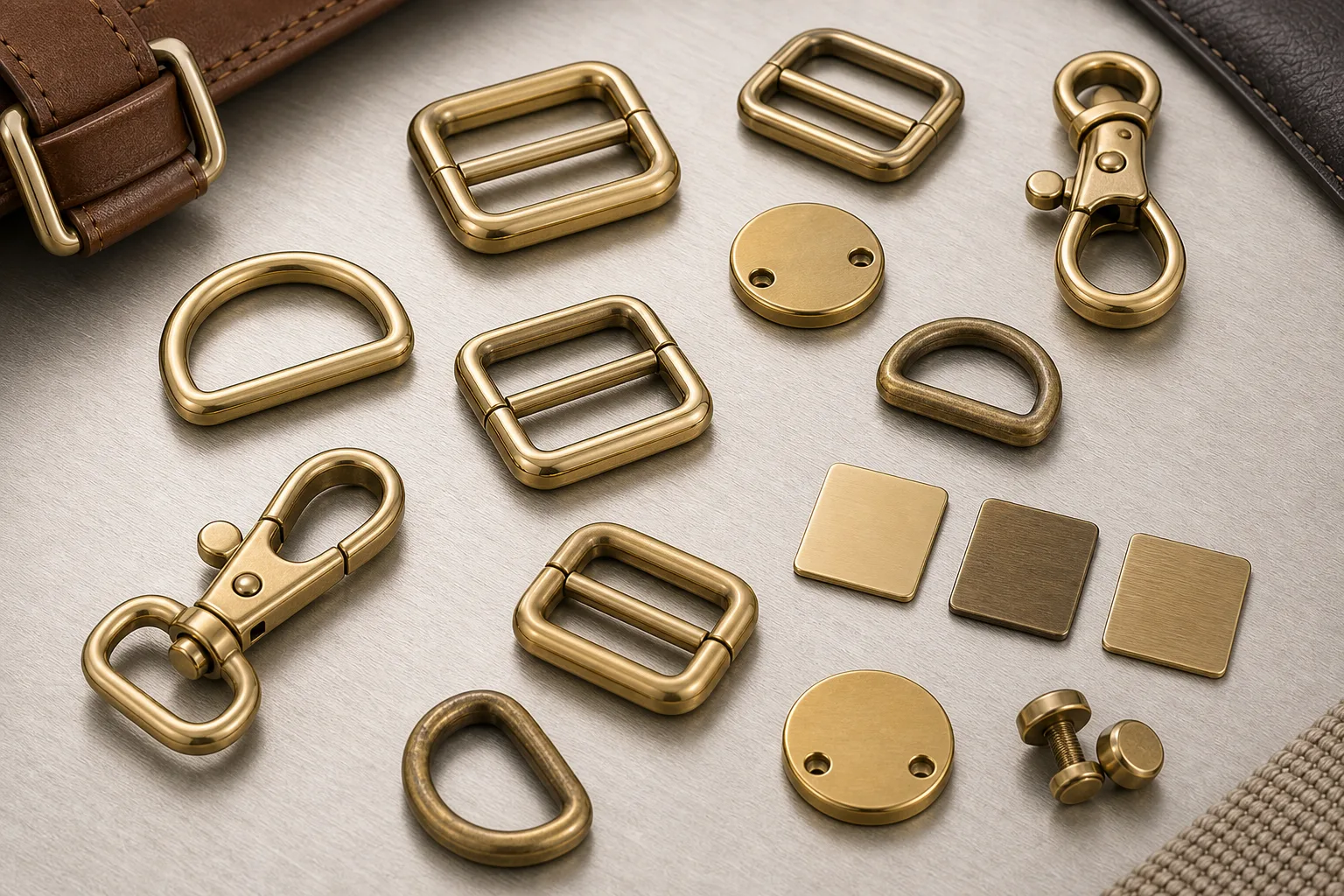
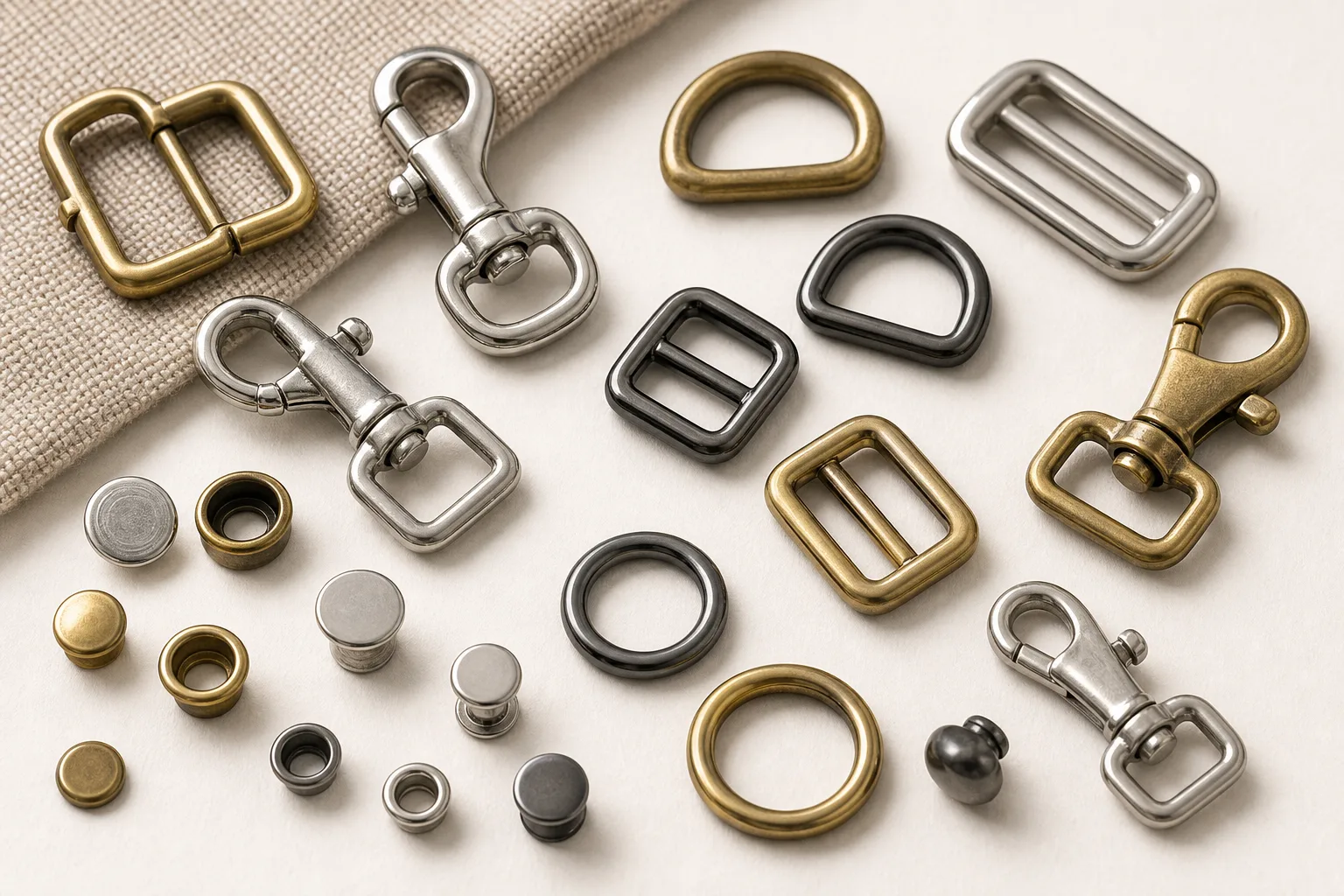
Gold is the finish that generates the most colour complaints, and usually not because the first sample was wrong. It is because small process drift is more visible in this family than in most others, and because gold hardware is often used in sets where several parts sit together and any drift is directly comparable.
The tonal range is wide
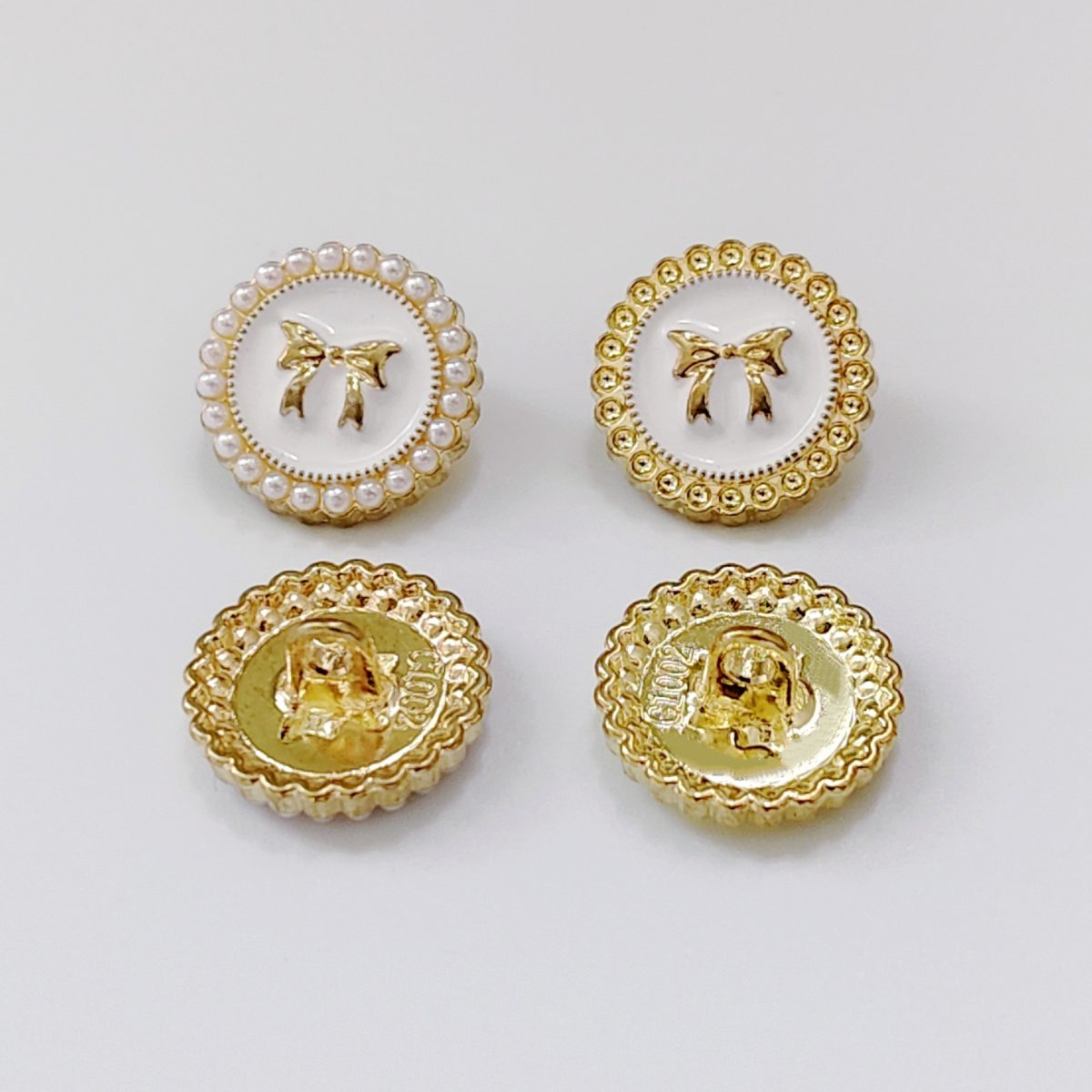
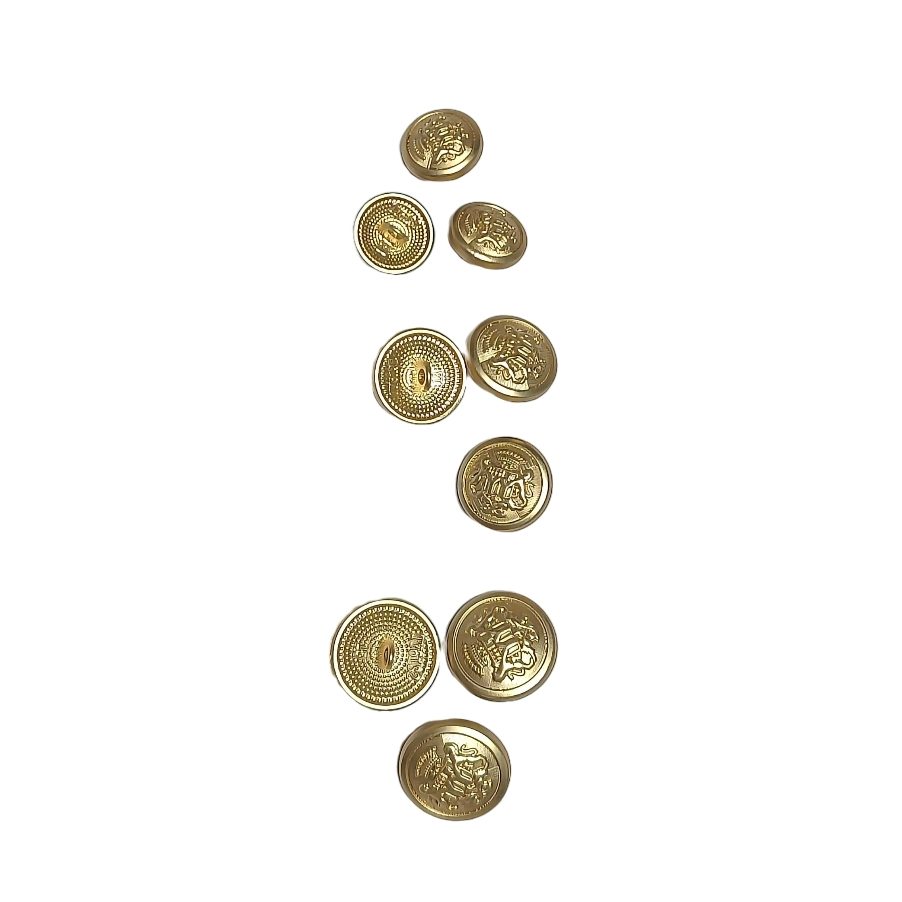
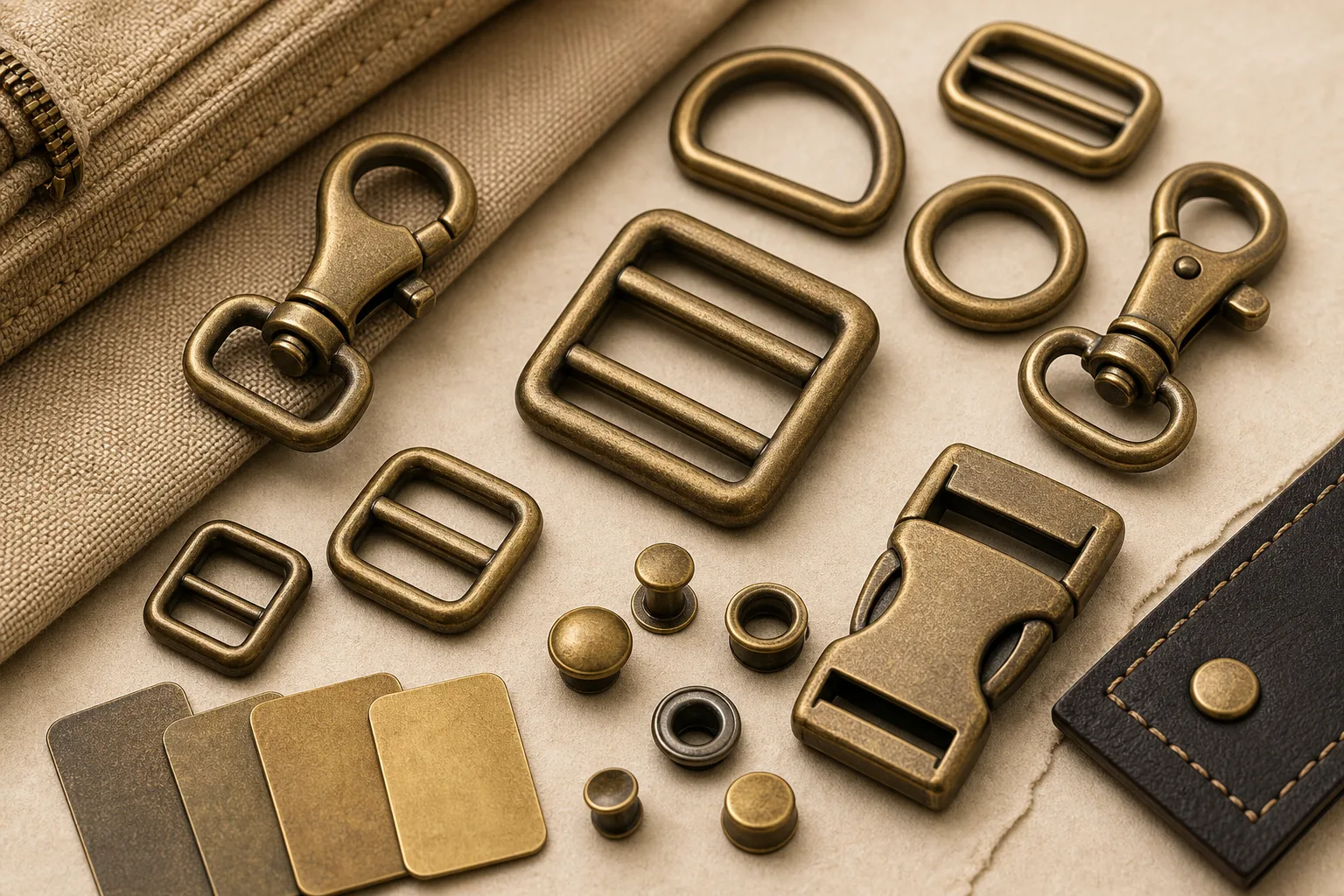
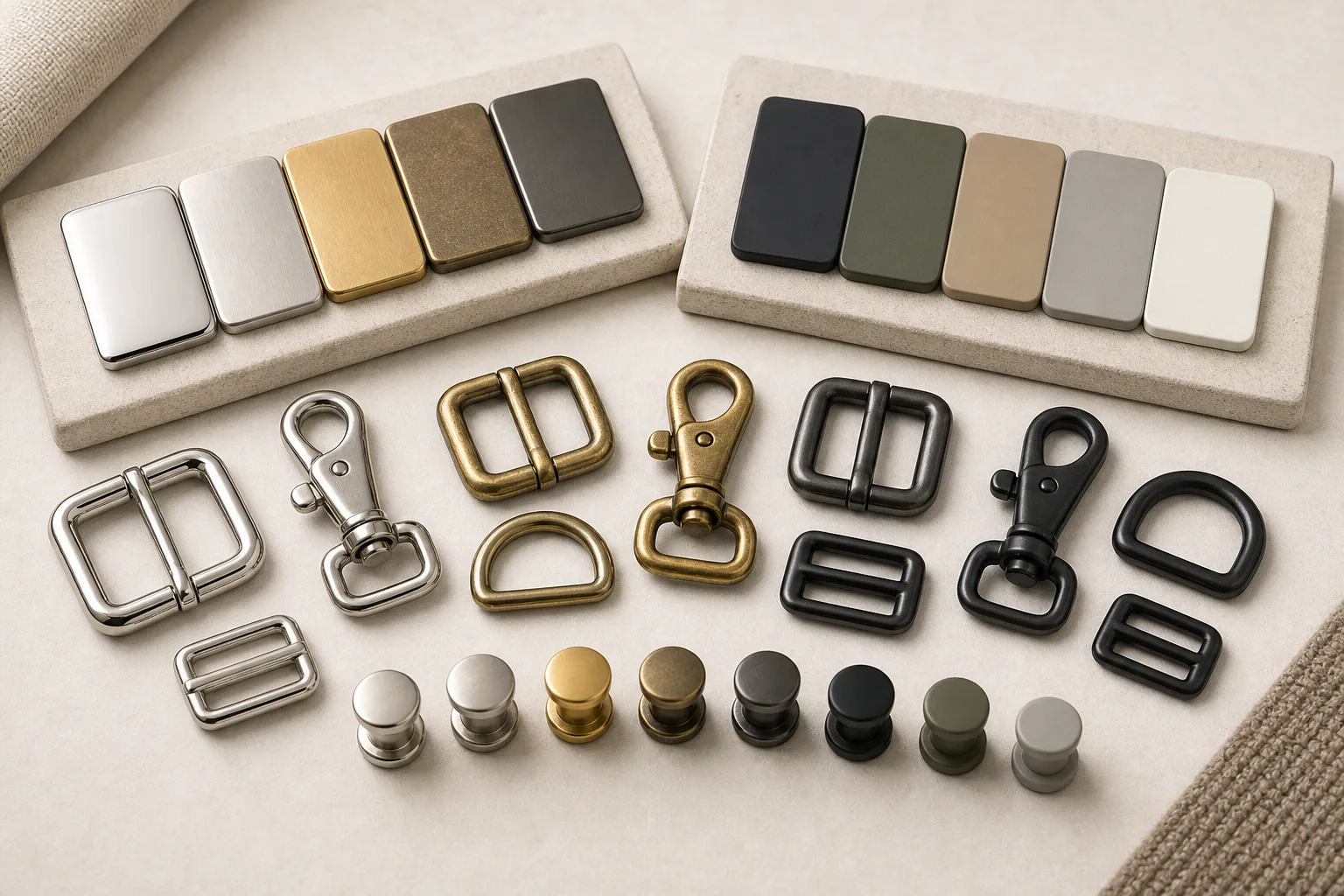
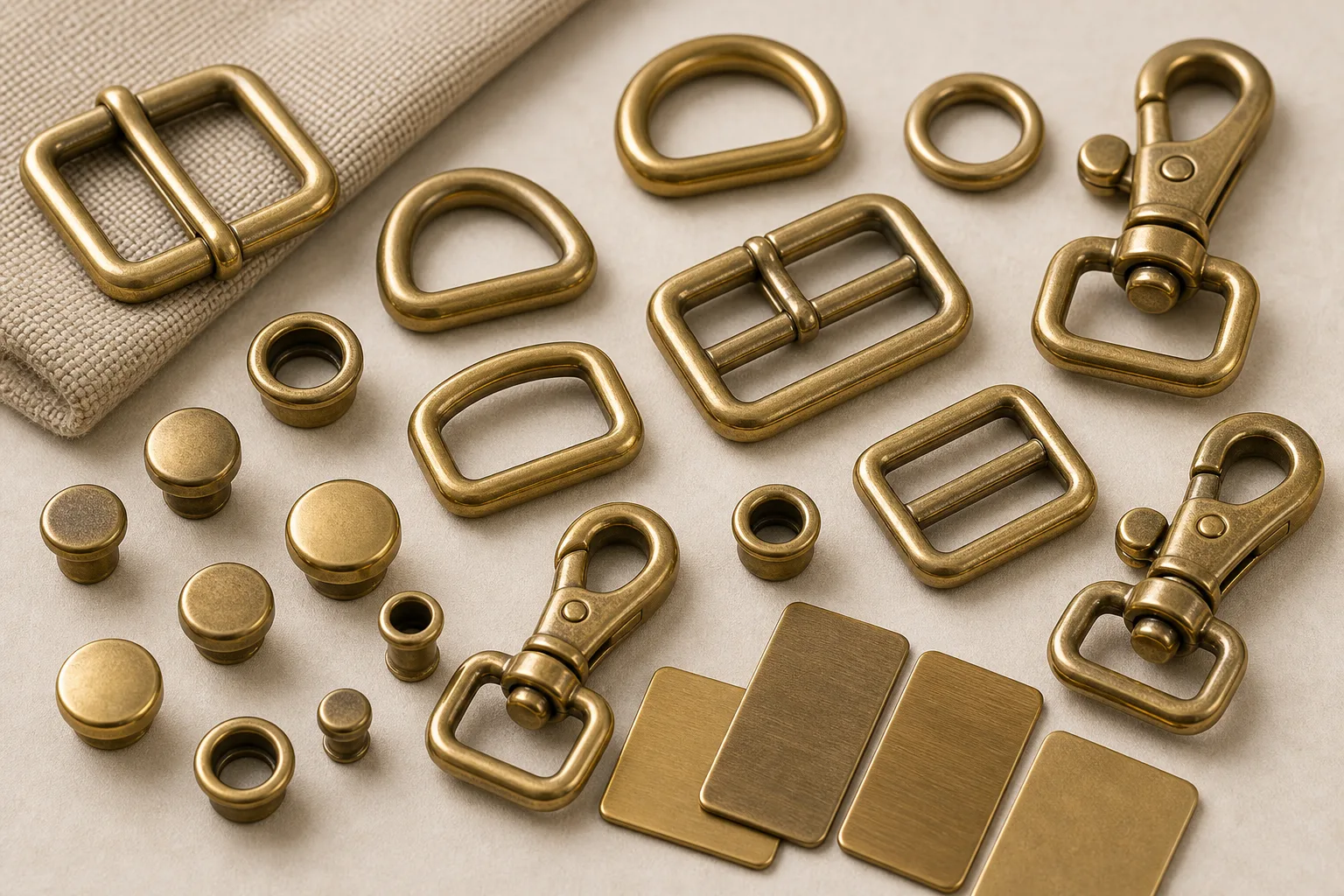
Gold spans pale and slightly greenish tones, rich warm yellows, rose and copper-leaning tones, and darker antique golds where a darkening step is applied. These read very differently against leather, against black fabric and against skin.
Because the range is wide, the colour name alone communicates almost nothing. A physical reference is not a nicety here; it is the only way to specify the tone.
Why consistency is harder in this family
Human vision discriminates finely in warm metallic tones, so a drift that would pass unnoticed in a dark finish is obvious in gold. Hardware sets make this worse by putting several parts adjacent, where comparison is direct.
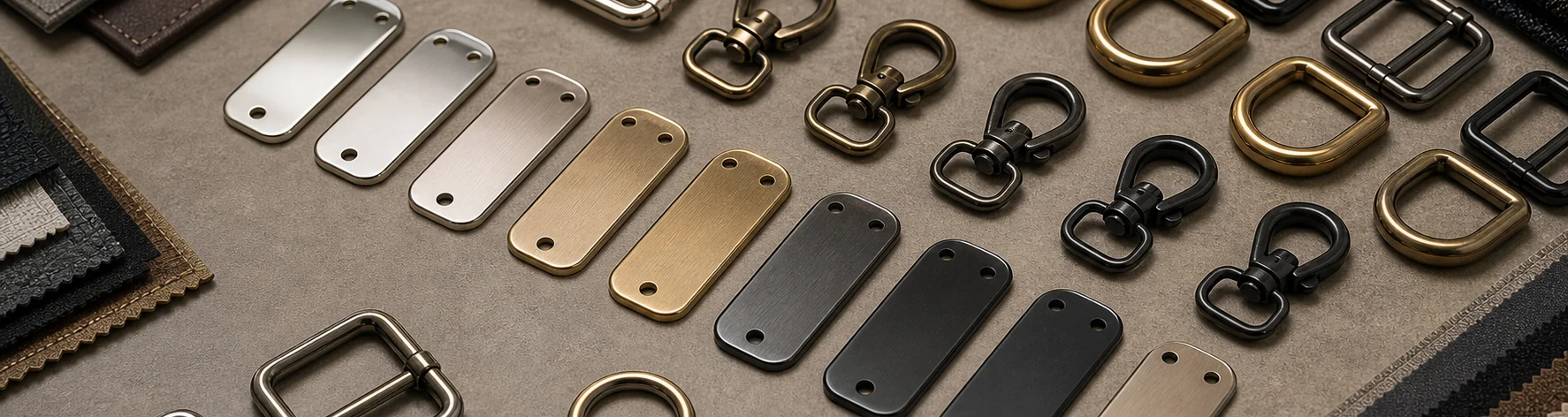
Different substrates and geometries also take the finish slightly differently, so a set combining a cast buckle, a stamped ring and a turned tip needs to be approved together rather than part by part.
What an approval needs to include
A physical approved sample of every part in the set, seen together under the intended lighting. Where variation is expected, light and dark limit samples so batch acceptance is a judgement within bounds. A written statement that batch matching is against those samples.
Include the material the hardware sits against — leather, fabric, a printed label — because gold reads differently against different backgrounds and approval in isolation misses that.
Lighting during approval
Warm metallic tones shift noticeably between daylight, warm indoor light and the lighting used in product photography. Approving in one and shipping to another is a common source of disagreement.
Decide which lighting is the reference and state it. If the product is photographed in a specific setup, approving under that setup avoids surprises in the imagery.
Wear and how gold ages
Gold-toned finishes show wear as tone change at contact points, and on antiqued golds that change can be part of the intended look. On a bright polished gold it usually is not.
This guide states no wear or corrosion figures for any gold finish, because they depend on the plating stack and the test. If wear performance matters, agree the test and the standard on your part.
What to send with an inquiry
A physical tone reference, all parts in the set, the material the hardware sits against, the intended lighting for approval, the acceptable variation, the process after assembly, and quantity with the expected repeat pattern.
If a previous production run was acceptable, sending a part from it is the most precise reference available and shortens the approval cycle considerably.
Gold is a wide tonal family where the eye detects small drift, so the sourcing problem is consistency rather than achieving the colour. Approve the whole set physically, under stated lighting, against the material it will sit on, and set limit samples where variation is expected.
 Finish Guides
 Finish Guides
 Finish Guides
 Finish Guides
 Finish Guides
 Finish Guides
 Material Guides