

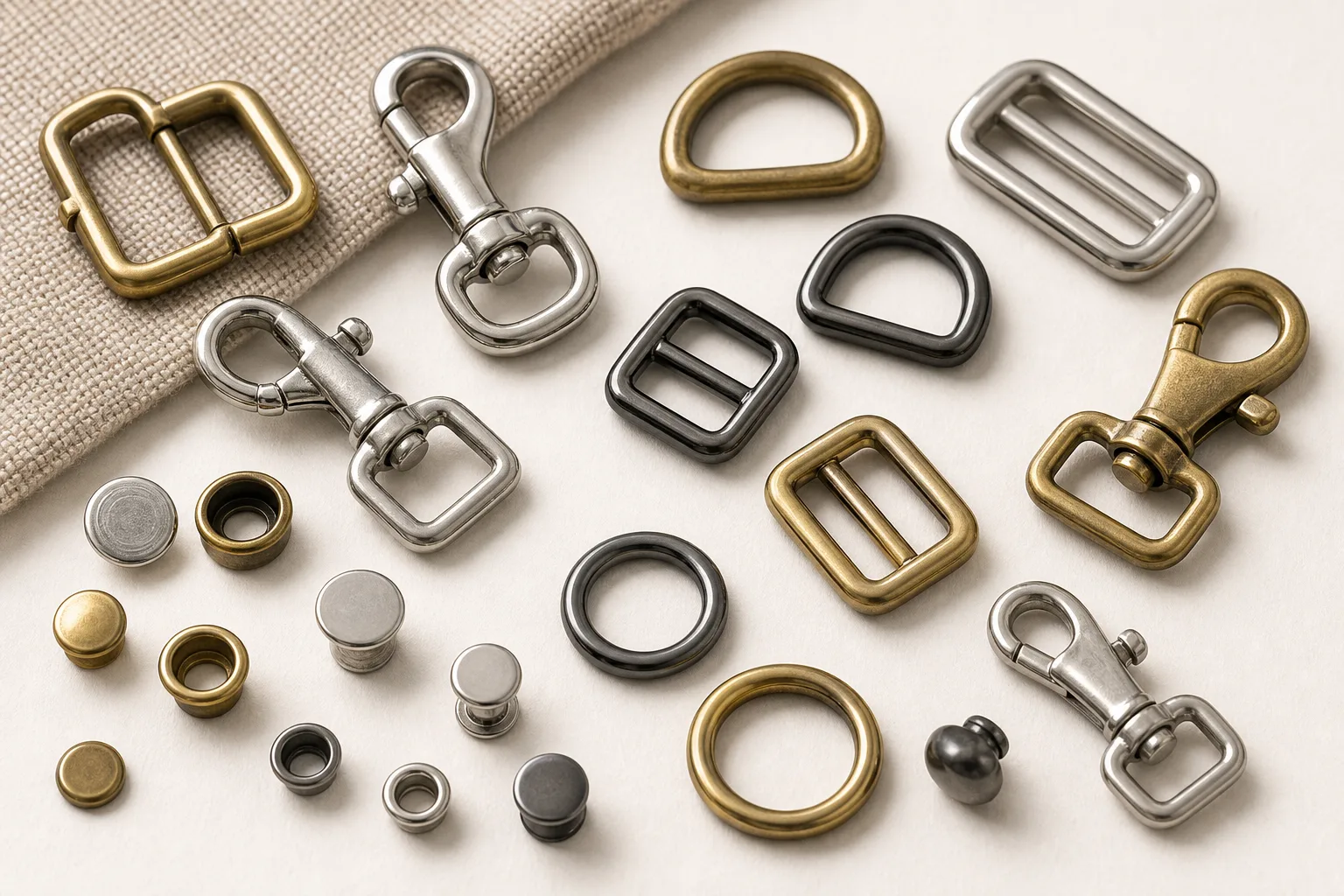
These are not exotic failures. They are the same handful of errors, made in the same order, on most first programmes — and they share a common shape: a decision taken quickly at the start that only becomes visible months later.
Comparing quotations that are not comparable
Two prices for the same part may be quoted on different trade terms, with or without tooling, with different finishes on different base materials, and with different secondary operations included.
Before comparing, normalise: same term, tooling separated, finish named with its base material, secondary operations listed. The cheapest quotation often changes once this is done.
Approving appearance from the wrong thing
Approving a finish from a photograph, a screen, a printed reference, or a sample made by a different process, and then being surprised by bulk. Colour and gloss do not survive any of those media reliably.
Approve from a physical part made by the production process, in the lighting the product will be sold in, and retain a sealed reference.
Leaving the variant count out of the plan
Minimums and cost apply per variant. A range designed with many colours and sizes can be commercially unworkable at launch volume even though the total quantity looks adequate.
Count the variants at design stage, not at ordering stage. Reducing them is a design decision and is much easier before samples exist.
Tooling before the design is settled
Commissioning a mold while a dimension is still under discussion, then changing it. Changes during machining are the most expensive kind, and changes after trial shots are not much better.
Freeze the design before machining. If something is genuinely undecided, the correct answer is to wait, not to start and revise.
Specifying strength without specifying attachment
Asking for a stronger part when the failure is at the attachment into fabric or leather. The part was never the limit, and the heavier replacement usually makes the attachment worse.
Diagnose where the failure actually occurs before changing the component. This is the single most common wasted specification change in soft goods hardware.
Asking for documents without a scope
Requesting “all certificates” rather than naming a standard, a product scope and a market. A general request cannot be quoted, cannot be verified, and delays the enquiry while it is turned back into a question.
Determine which requirements apply to your product and market with your own advisers, then state that scope. It makes the whole conversation faster and the answer meaningful.
Two habits that prevent most of this
First: write things down in a versioned specification, including the things that were decided in a call. Second: state the end use in every enquiry, because it lets a supplier catch mismatches you did not know were mismatches.
Neither takes long, and between them they prevent the majority of the situations above.
First-time sourcing mistakes are early decisions discovered late. Normalise quotations before comparing, approve appearance from a production-process part, count variants at design stage, freeze designs before tooling, diagnose failures before respecifying, and give document requests a scope.
 RFQ & Sample Guides
 RFQ & Sample Guides
 Buyer Guides
 RFQ & Sample Guides
 RFQ & Sample Guides
 RFQ & Sample Guides