
When a price comes back higher than hoped, the instinct is to ask for a discount. It is usually more productive to ask which component is largest, because a specification change against the right component achieves more than a negotiation against all of them.
Material: quantity and grade, not just metal choice
Material cost follows the mass of material in the part and the grade of that material. A heavier part in the same alloy costs more; the same part in a different alloy may cost more or less depending on both density and market rate.
This is why apparently cosmetic decisions — a thicker section for a more substantial feel — carry a real cost that scales with volume.
Forming process and cycle
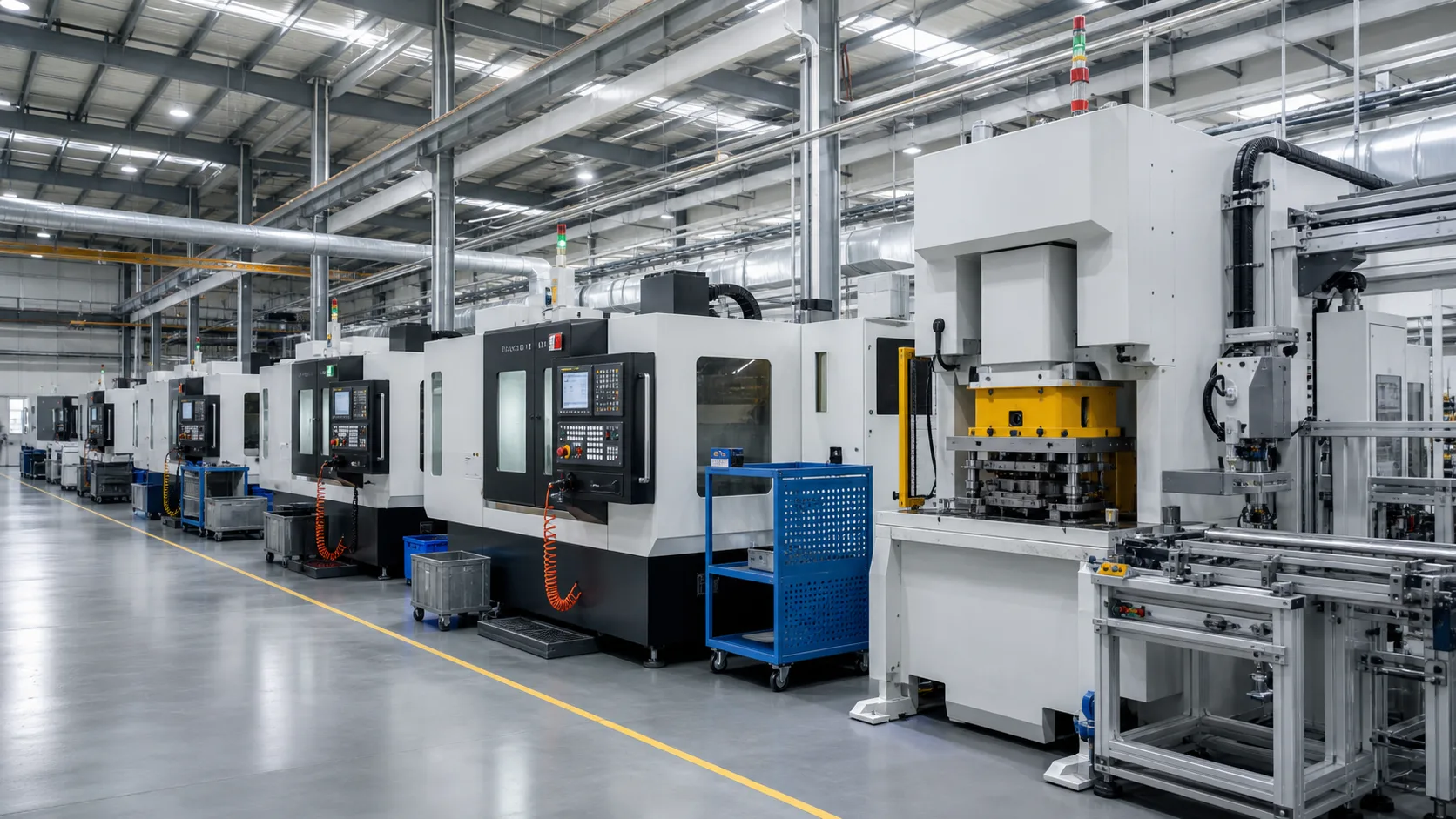
How the part is made — cast, stamped, machined, moulded — sets the base process cost, and within a process the cycle time and the number of parts produced per cycle matter.
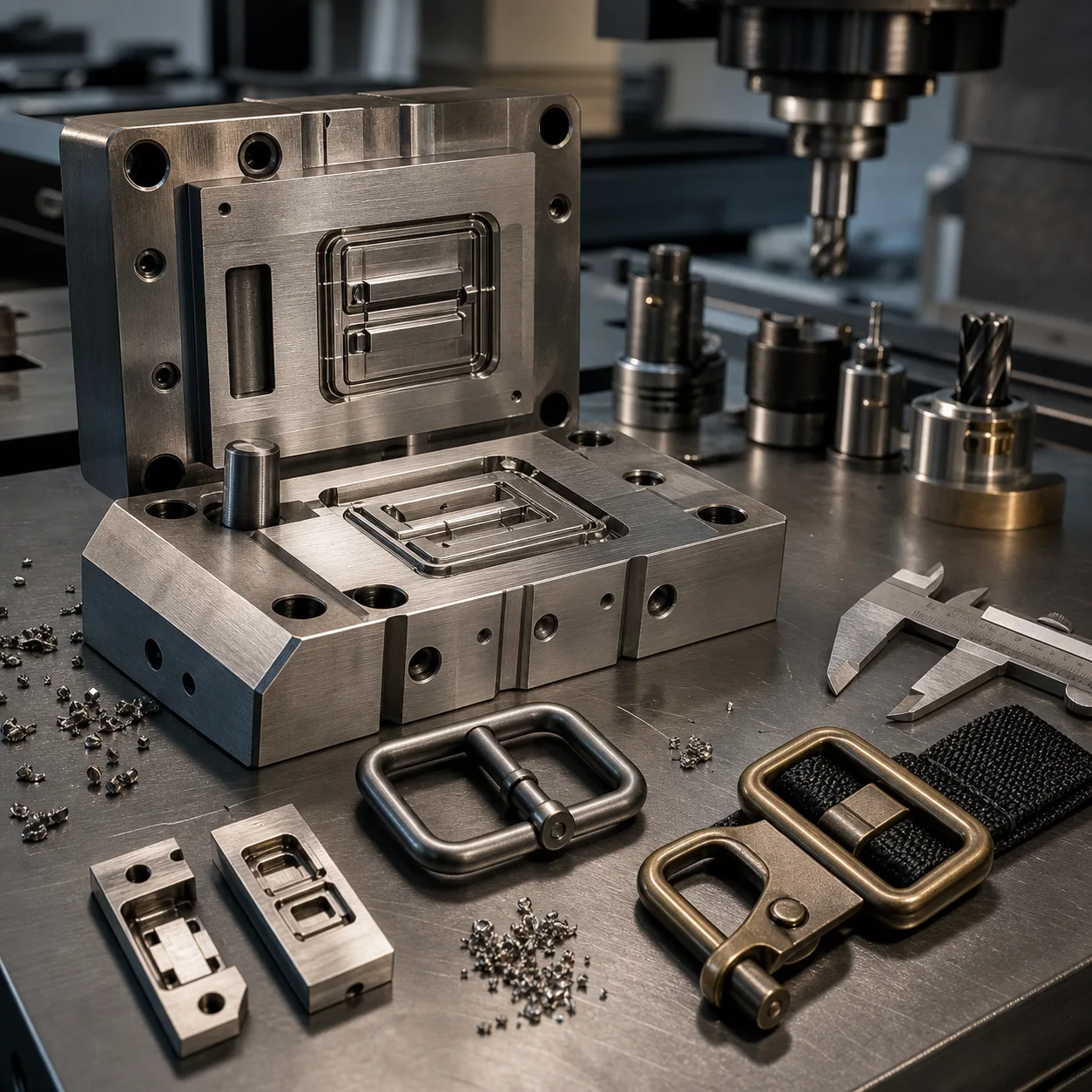
Cavity count in a mold is the clearest example: more cavities lowers unit cost and raises tooling cost. Which is preferable depends entirely on volume over the programme life.
Finishing, usually the most variable component
Finishing cost varies with the process, the number of steps, the base material it is applied to, and the consistency required. Two finishes that look similar can differ substantially in cost because of how many steps each takes.
Where cost is a concern, this is often the most productive component to discuss, because the appearance goal can frequently be reached by more than one route.
Secondary operations and marking
Logo application, assembly of multi-part components, deburring, sorting and any hand operation each add cost per piece. These are easy to overlook when comparing quotations, because they are often implicit in the specification rather than listed.
When comparing two quotations, check that both include the same secondary operations before concluding one is cheaper.
Tooling, packing and volume
Tooling is a one-off cost that is either quoted separately or spread across the order. How it is treated changes the apparent unit price without changing the total, so it is worth confirming which convention a quotation uses.
Packing, labelling and any special presentation also carry cost, and on small, low-value parts this component is proportionally larger than buyers expect.
Making a quotation comparable
Ask for the price with tooling shown separately, the finish named with its base material, secondary operations listed, packing specified, and quantity breaks shown. Then two quotations can actually be compared.
This guide gives no prices or price ranges, because they depend on specification, volume, material rates and finish, all of which move. What transfers is the structure — and knowing the structure is what makes a negotiation specific rather than general.
A unit price is a sum of components that each respond differently to specification changes. Find out which component dominates for your part, and direct the discussion there rather than asking for a general reduction.
 RFQ & Sample Guides
 RFQ & Sample Guides
 RFQ & Sample Guides
 RFQ & Sample Guides
 RFQ & Sample Guides
 Buyer Guides
 Custom Hardware Guides