
Buyers often ask for “a sample” without specifying which kind, then approve it and are surprised when bulk differs. The samples are not deceptive; they were answering a different question from the one the approval implied.
Reference samples: does this part exist and what is it like
A reference sample is an existing part sent so you can see and handle it. It answers questions about size, weight, feel and general appearance quickly and cheaply.
It does not prove anything about your finish, your logo or your dimensions, because it was not made for your project. Treat it as a conversation aid, not as an approval item.
Prototypes: does this design work
A prototype tests a new or modified geometry. Depending on the method, it may be made differently from how production parts will be made, which means it can answer questions about shape and fit while being unrepresentative of surface and strength.
Ask how the prototype was produced before drawing conclusions from it. A prototype made by a different process can look right and behave differently.
Production-process samples: will bulk look like this
A sample made by the actual production process, from the actual tooling, with the actual finish, is the only kind that predicts bulk. This is the sample that matters for appearance approval.
Where a finish is involved, confirm that the sample went through the same finishing line and, if applicable, the same post-processing — a garment sample that will be washed should be approved after washing.
How to run a review that means something
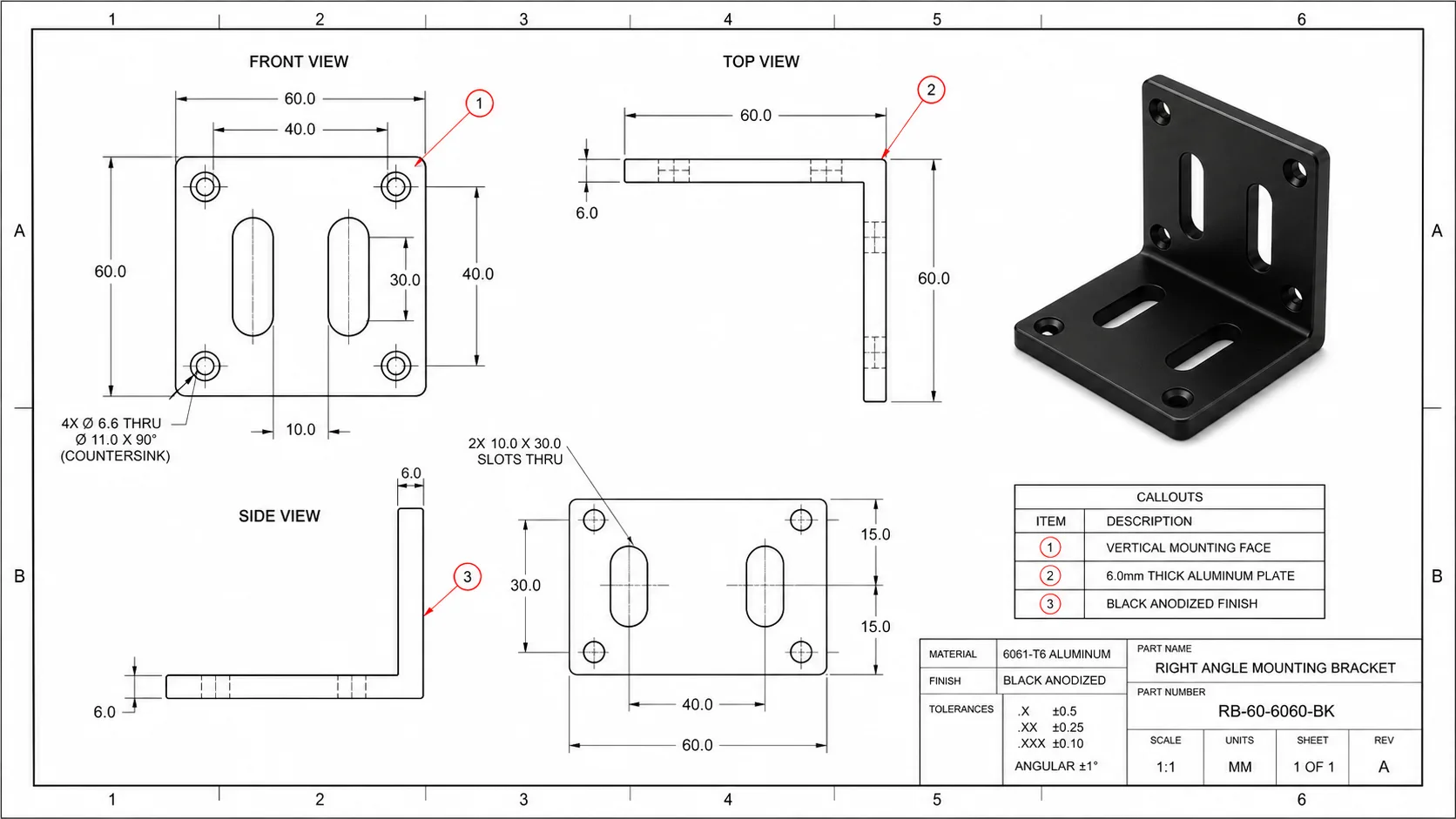
Review against the specification sheet, with the sheet in front of you, rather than against memory or expectation. Check the interfacing dimensions, the back face, the finish under the lighting the product will be sold in, and the function by operating the part repeatedly.
Record what you checked and the date. An approval without a record of what was reviewed cannot be relied on when a later delivery is questioned.
Giving feedback that can be acted on
Consolidate feedback into a single response covering everything, and separate the items that must change from the ones you are noting. Sequential, partial feedback multiplies sample rounds.
Where appearance is the issue, send the sample back marked, or reference a physical target. Colour and gloss descriptions in words rarely converge.
What to send with a sample request
Which question the sample is meant to answer, the specification or drawing it should be made to, the finish target with a physical reference where possible, quantity of samples needed and for what purpose, the address and any deadline, and whether a subsequent stage is expected.
Stating the purpose changes what is produced. Samples for a photoshoot, for a fit trial and for a customer approval are not necessarily the same parts.
Ask for the sample stage that answers your actual question, confirm how it was made before drawing conclusions, review it against the specification with a record of what was checked, and give consolidated feedback against a physical target.
 RFQ & Sample Guides
 RFQ & Sample Guides
 RFQ & Sample Guides
 RFQ & Sample Guides
 RFQ & Sample Guides
 RFQ & Sample Guides
 RFQ & Sample Guides
 Custom Hardware Guides