
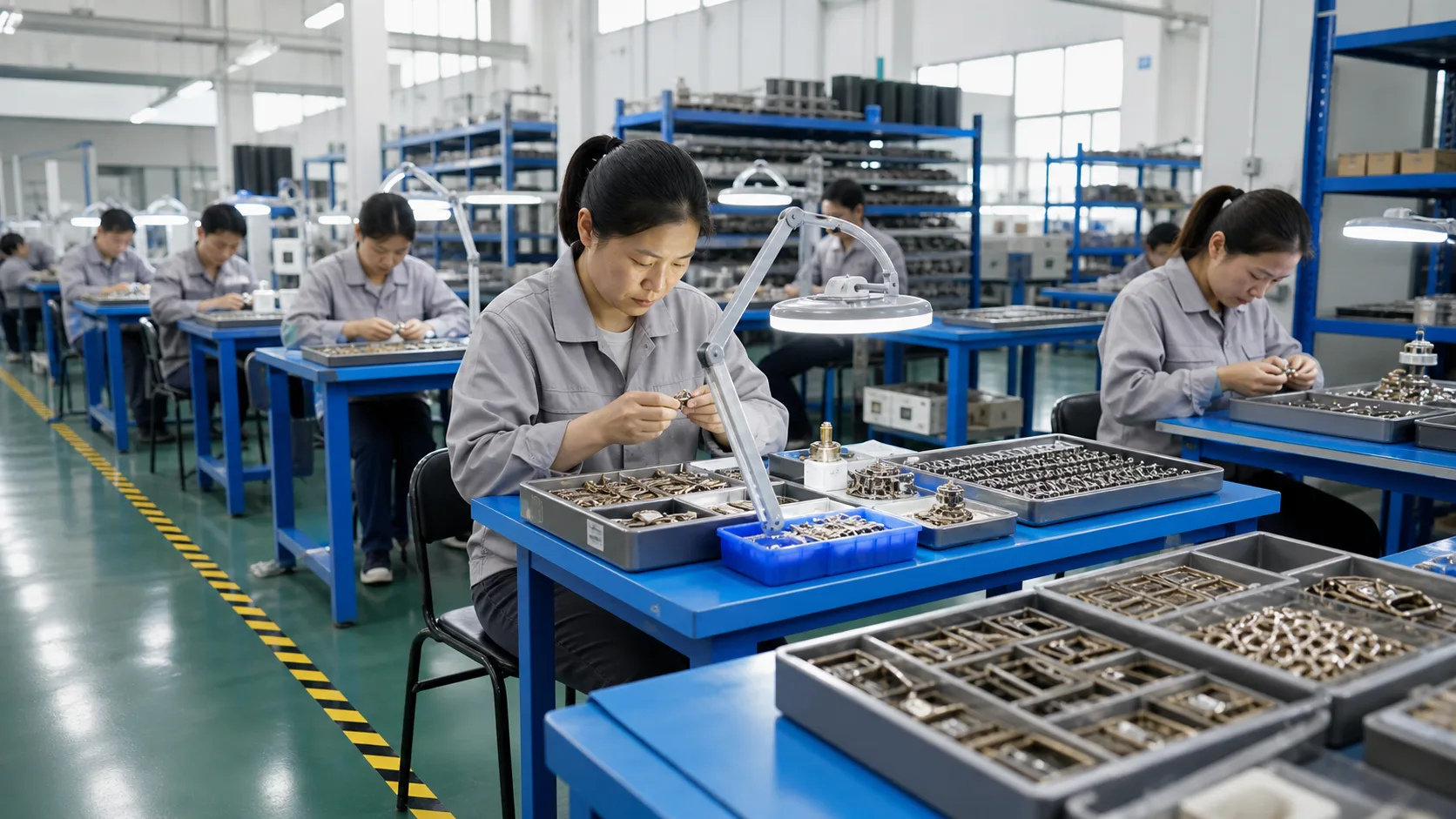
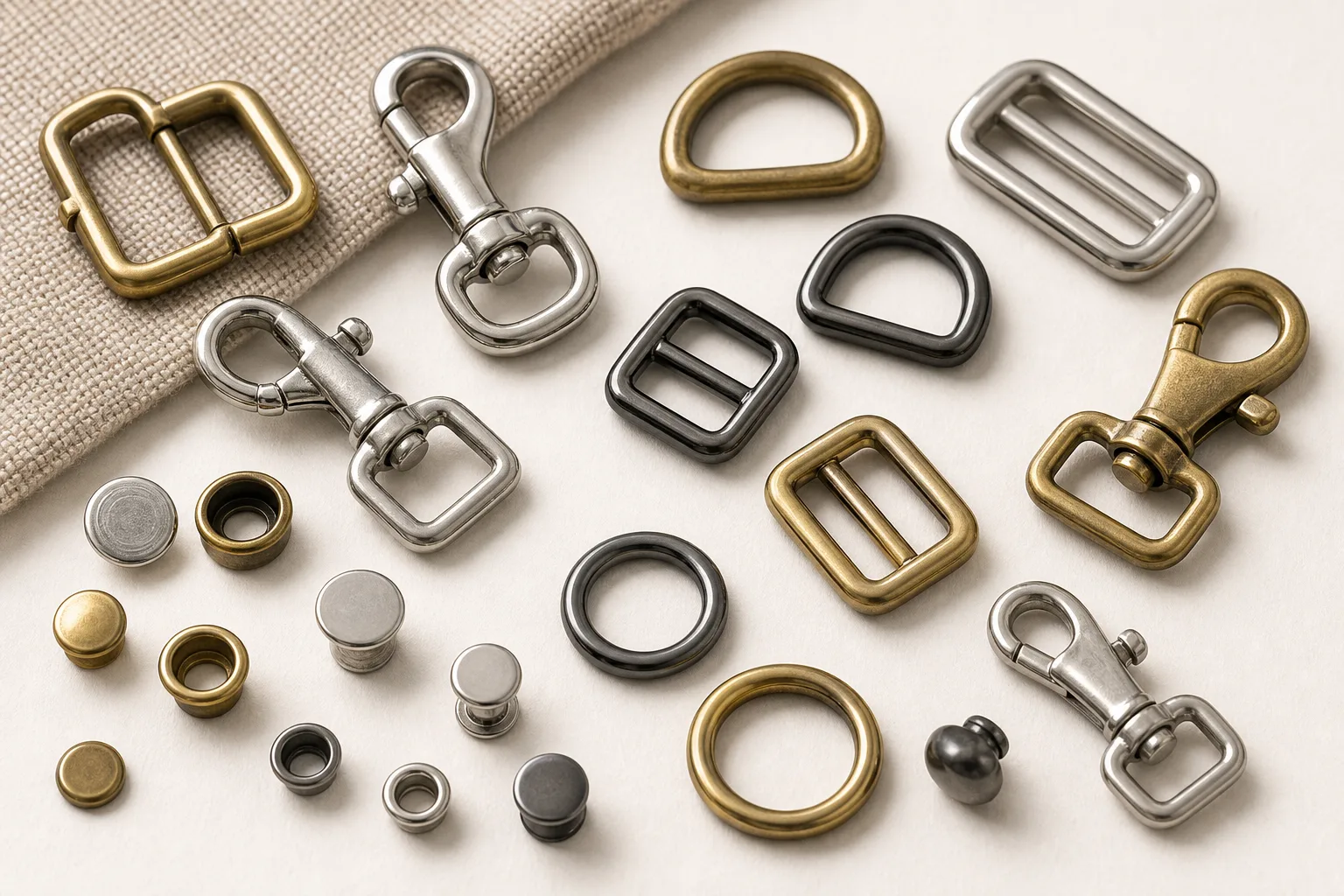
Buyers often treat MOQ as an arbitrary supplier policy. It is usually the arithmetic of several processes, each with its own minimum, and the binding constraint is frequently the finishing batch rather than anything to do with the part itself.
MOQ applies per variant, not per order
The first and most consequential point: minimums normally apply to each distinct combination of size, colour and finish, not to the total order. Splitting an order across many variants multiplies the minimums rather than sharing them.
This is why an order that looks comfortably large can still fall below minimum on several of its lines. When planning a range, the number of variants matters as much as the total volume.
Where the separate minimums come from
Material is bought in lots. Finishing runs in batches with a practical minimum load. Tooling, where it exists, has a cost that has to be spread across some quantity. Packing and labelling have their own setup. Each of these has a floor, and the MOQ you are quoted is the largest of them.
This guide states no figures for any of these, because they depend on the material, the finish, the tooling and current arrangements. What is transferable is the structure: ask which of the four is binding for your part.
Why finish so often sets the floor
Finishing is usually a batch process, and a batch has a practical minimum load below which the run is uneconomic and the result less consistent. This is why the same part in one finish can have a different minimum from the same part in another.
It also explains a common surprise: adding a second colourway can raise your minimum substantially even though the part is identical.
Where there is genuinely room to move
Consolidating variants, accepting a standard finish rather than a custom one, combining a first order with a committed repeat, or accepting a longer lead time so the run can be scheduled alongside others — these are the levers that actually exist.
What generally does not move is the physical minimum of a batch process. Asking for a lower number without changing anything about the order rarely changes the answer.
Sample and trial quantities
Sample quantities sit outside the production minimum and are treated differently. So, sometimes, are trial orders where a buyer needs to test the market before committing.
If a trial quantity is what you need, say so explicitly rather than asking for the MOQ to be waived. It is a different conversation and often a more productive one.
What to ask
Which of material, finishing, tooling or packing is binding for this part; whether the minimum is per colour, per size or per combination; whether consolidating variants would reduce it; whether a committed repeat changes it; and what a trial quantity would look like.
These questions get a specific answer. “What is your MOQ?” gets a policy answer that may not describe your case at all.
MOQ is the largest of several process minimums, applied per variant. Find out which one binds for your part, and the useful levers — consolidating variants, standard finishes, committed repeats — become obvious.
 RFQ & Sample Guides
 RFQ & Sample Guides
 RFQ & Sample Guides
 RFQ & Sample Guides
 RFQ & Sample Guides
 RFQ & Sample Guides