
Gunmetal has become a default for hardware that should be present but not loud. It works because it stays metallic while being dark enough to recede, and the useful things to know about it are how it behaves under different lighting and where its consistency risks sit.
What it looks like and why
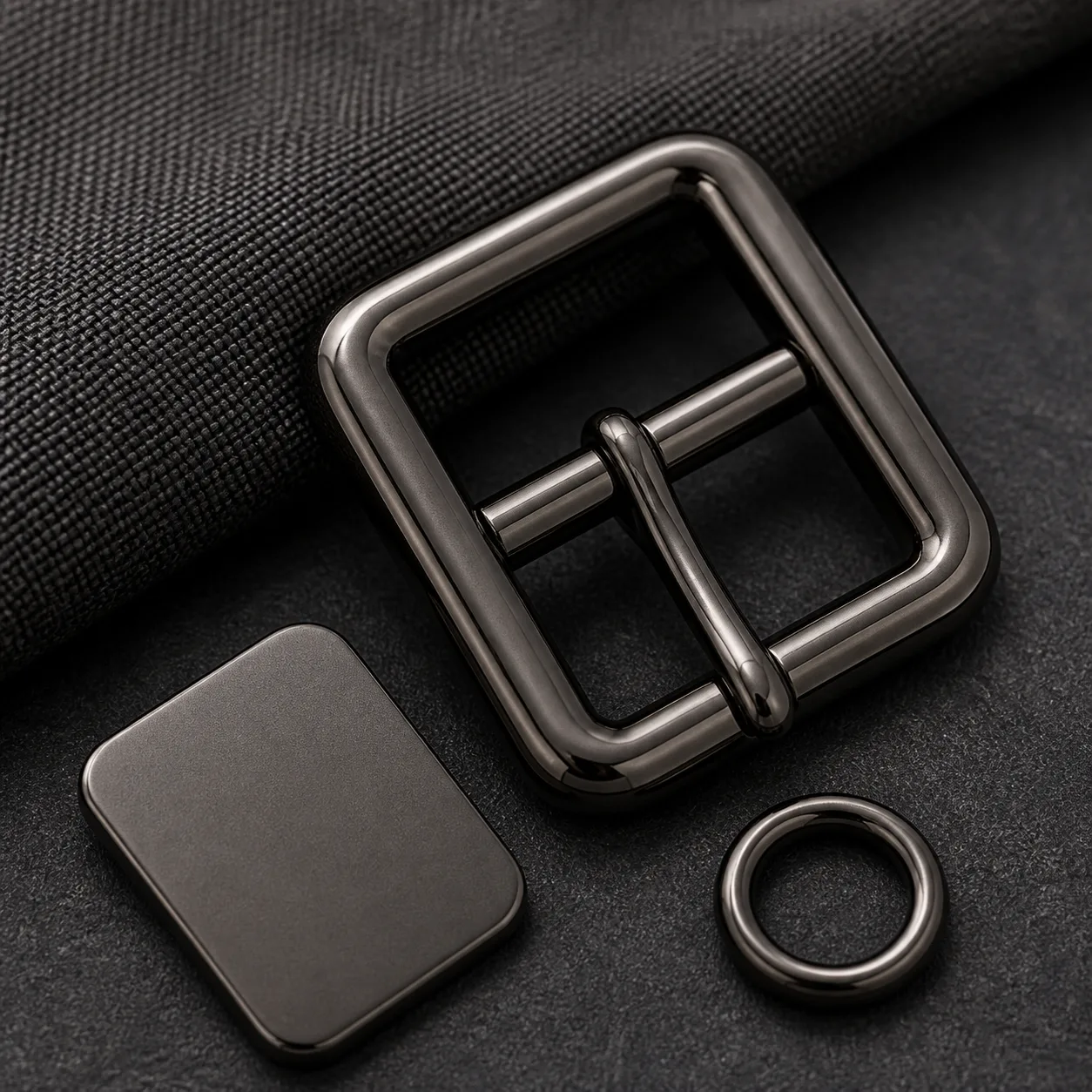
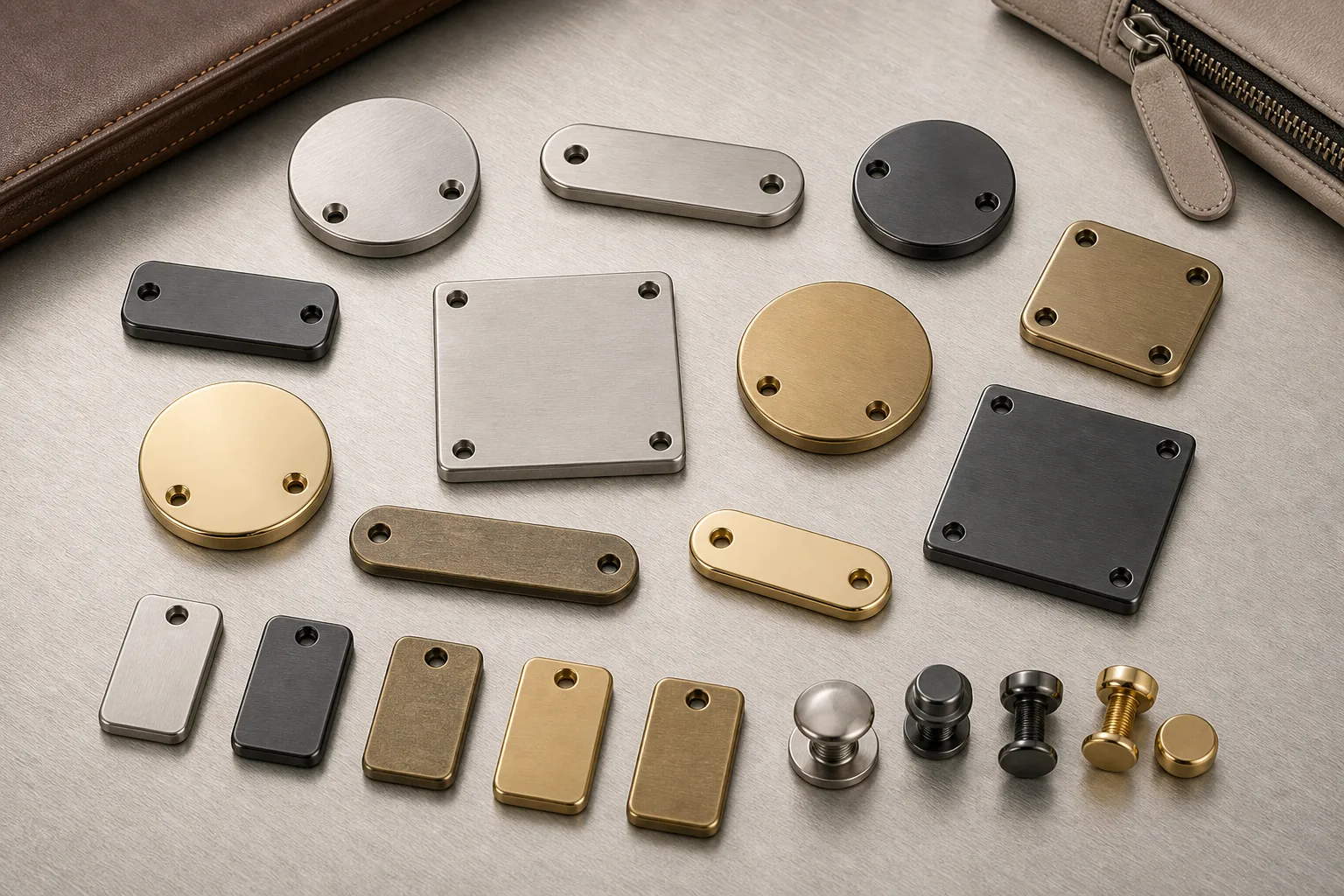
A gunmetal surface is dark but still reflective, so it produces highlights along edges and on raised features. That is the difference from a flat black, and it is what keeps relief and logo detail visible on a dark part.
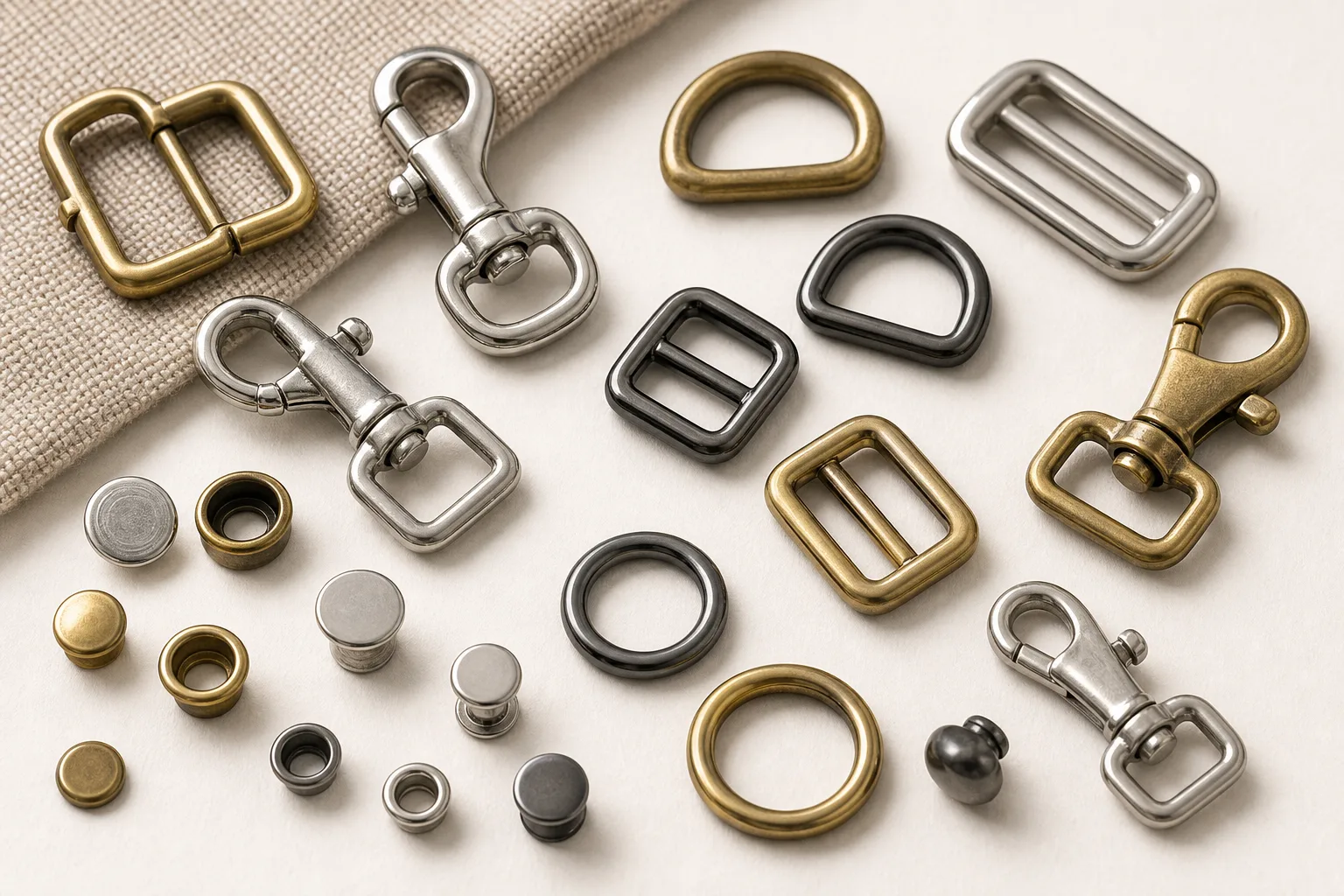
The tone itself varies between suppliers and stacks — some lean warm and brownish, others cool and blue-grey. Because the name covers that range, a physical reference is the only reliable way to specify which one you mean.
What it pairs with
Gunmetal sits comfortably with black and grey fabrics, technical materials, dark leathers and denim. Against warm tan leather it can read cold, which is sometimes the intent and sometimes a mismatch discovered late.
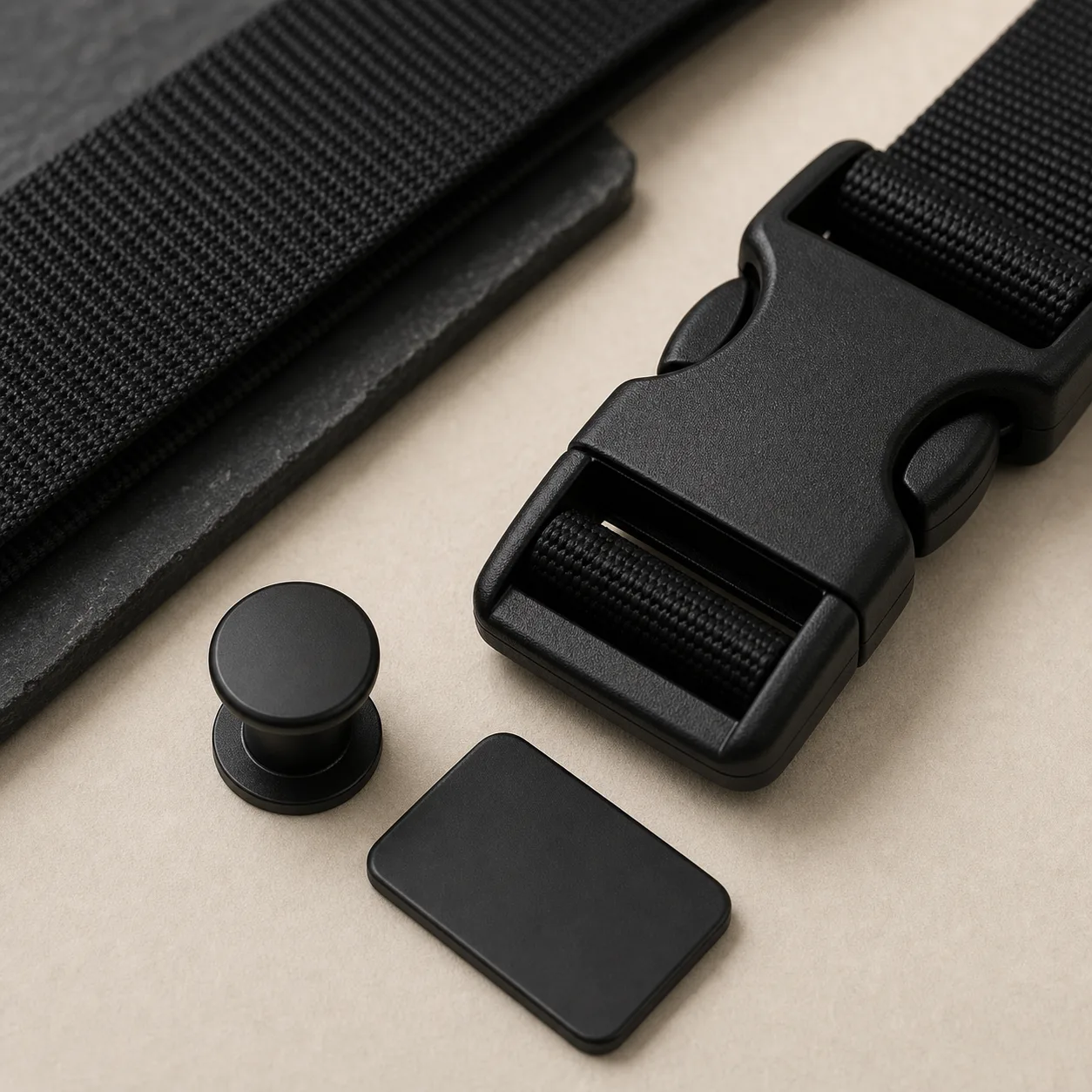
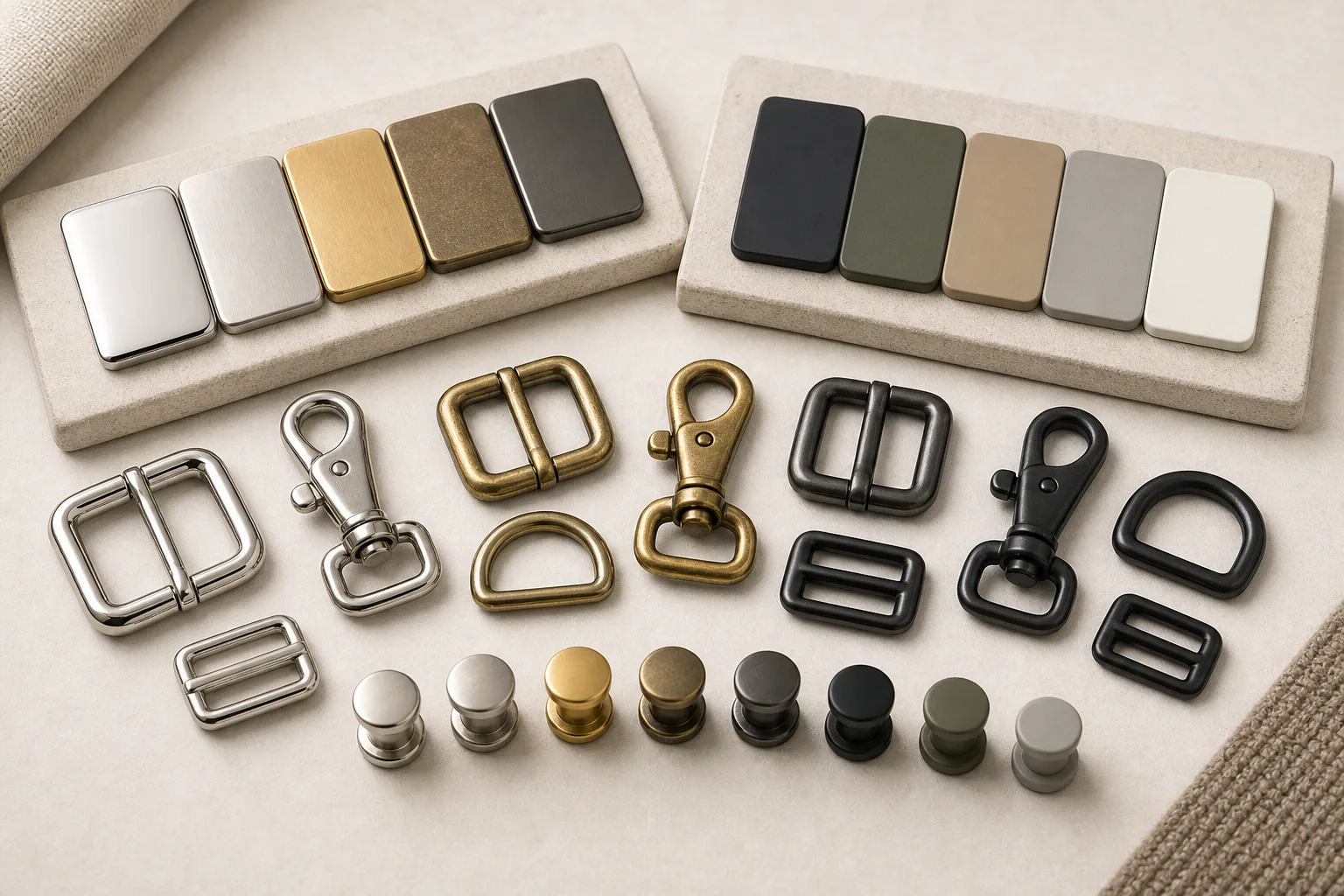
It also pairs well with matte black plastic parts on mixed sets, because both are dark; the difference is the metallic response, which reads as an intentional material distinction rather than a colour error.
How it photographs
Gunmetal needs directional light to show its character. In a flat, diffuse lightbox it can read as an undifferentiated mid-to-dark grey and lose the depth that makes it attractive in the hand.
If product photography uses soft lighting, review samples under that setup before approving. What looks right on a desk near a window may not be what appears on the website.
Consistency risks
Because the tone family is broad, drift between batches shows as a warmer or cooler grey rather than as an obvious colour error, which makes it easy to accept incrementally until a set no longer matches.
The defence is the usual one: approve a physical set, state that batch matching is against it, and where variation is expected, agree limit samples. On mixed substrates approve every geometry, since a cast and a stamped part take the finish differently.
Wear behaviour
Edge wear on gunmetal tends to brighten rather than expose a contrasting colour, which is one reason it is used on hardware that gets handled. Whether that brightening is acceptable is a design decision to make consciously.
This guide states no abrasion or corrosion figures for gunmetal, because they depend on the plating stack, the substrate and the test method. If wear matters, agree the test and the standard on your part.
What to send with an inquiry
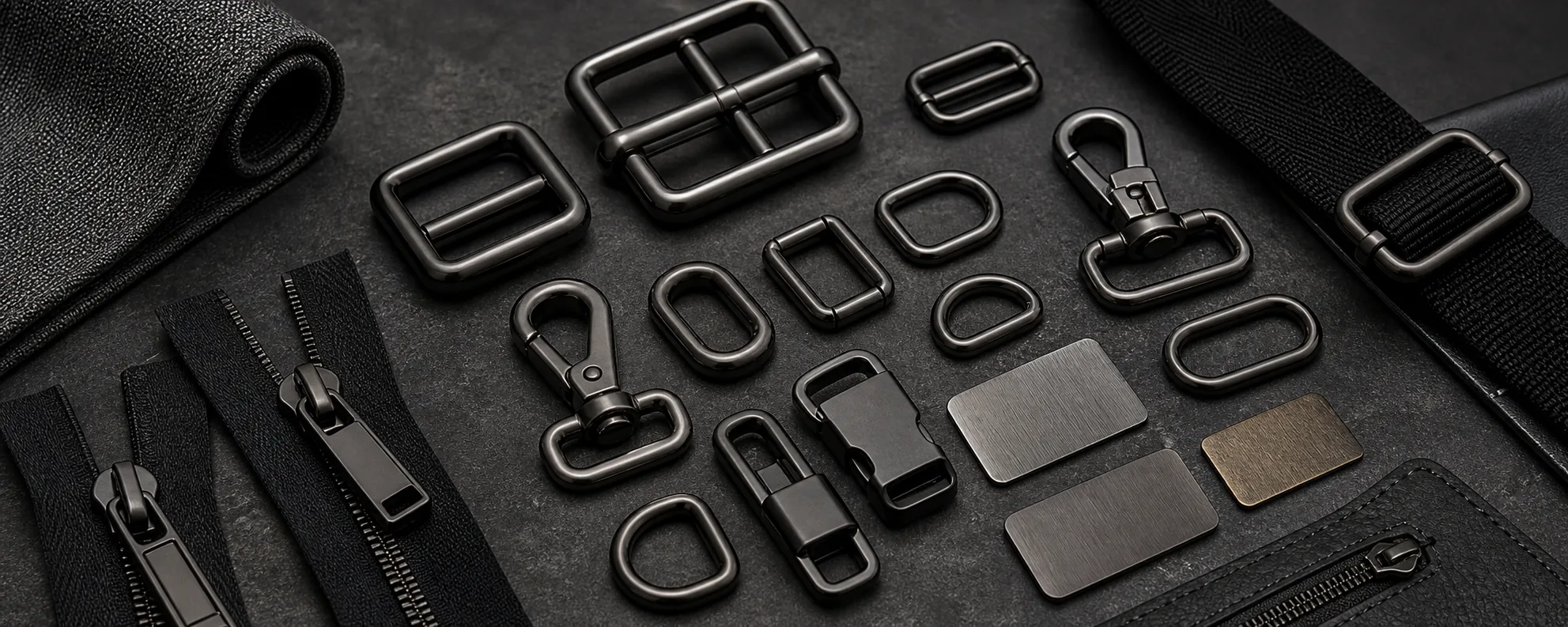
A physical tone reference, every part in the set, the materials the hardware sits against, the intended photography lighting, acceptable variation, the process after assembly, and quantity with repeat pattern.
If part of the set is plastic in a matching dark colour, include those parts in the approval too — the moulded and plated darks need to be judged together.
Gunmetal keeps a metallic response while staying dark, which is why relief stays visible on it. The name covers a range from warm to cool grey, so specify with a physical reference, approve the whole set together, and check it under the lighting the product will be photographed in.
 Finish Guides
 Finish Guides
 Finish Guides
 Finish Guides
 Finish Guides
 Finish Guides