
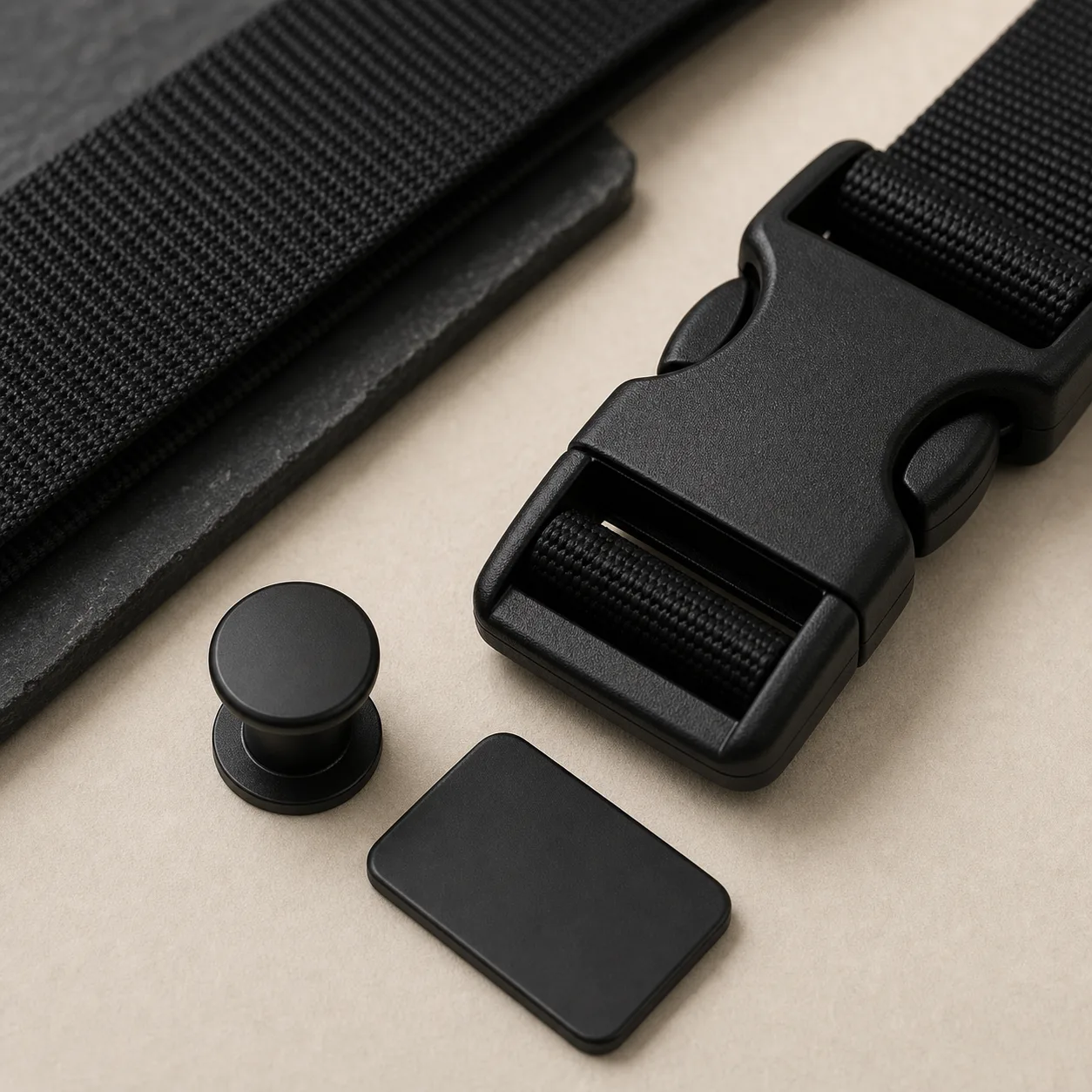
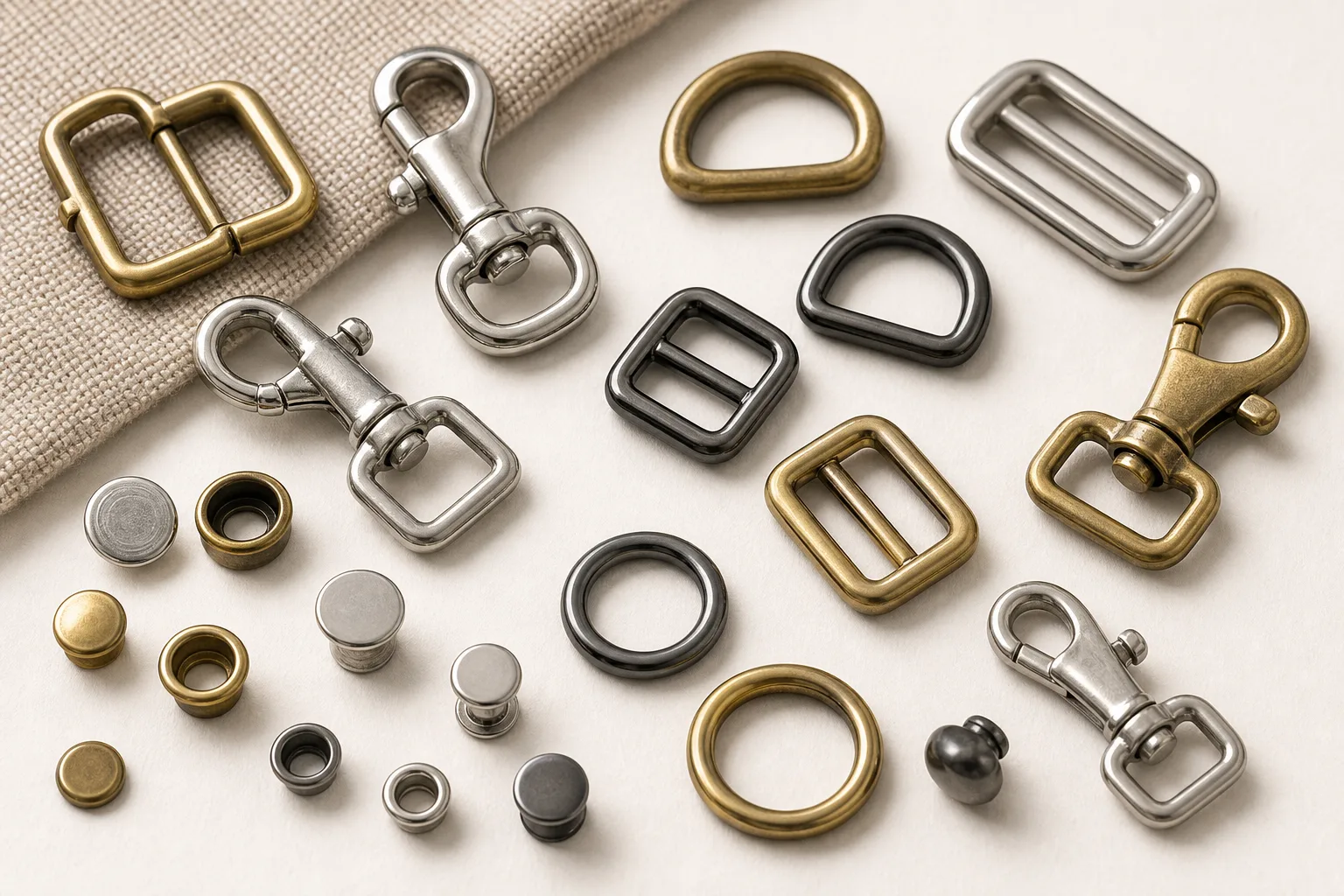
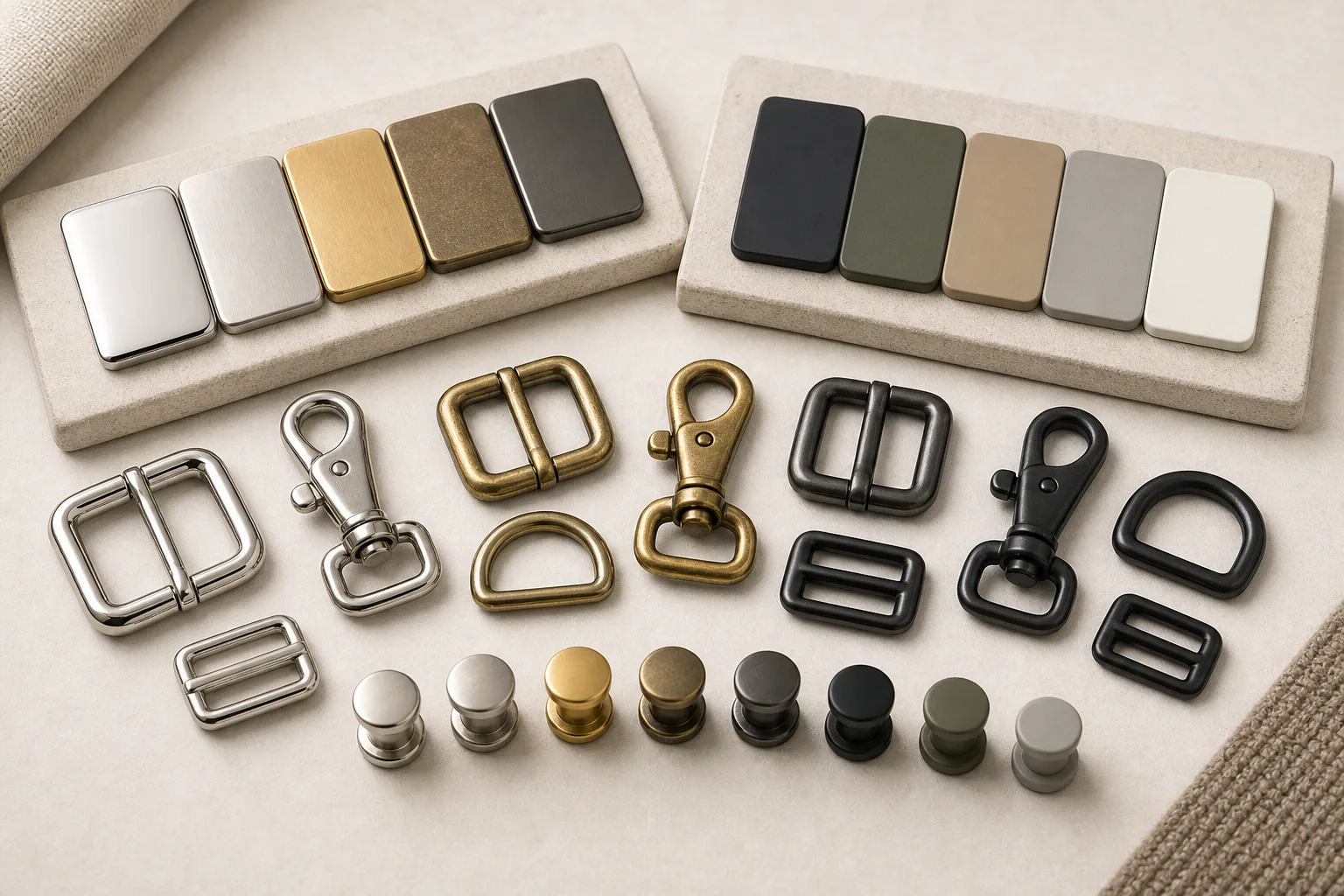
These two get specified interchangeably in briefs — dark hardware, black hardware — and then look wrong on the sample. The difference is not the colour so much as whether the surface behaves like metal. That difference shows up in product photography, in showroom lighting and in how the hardware ages.
Flat dark versus dark metal
A matte black surface scatters light fairly evenly, so it reads as one flat tone from most angles. Detail is visible as shape rather than as highlight, and the surface tends to look uniform in photographs.
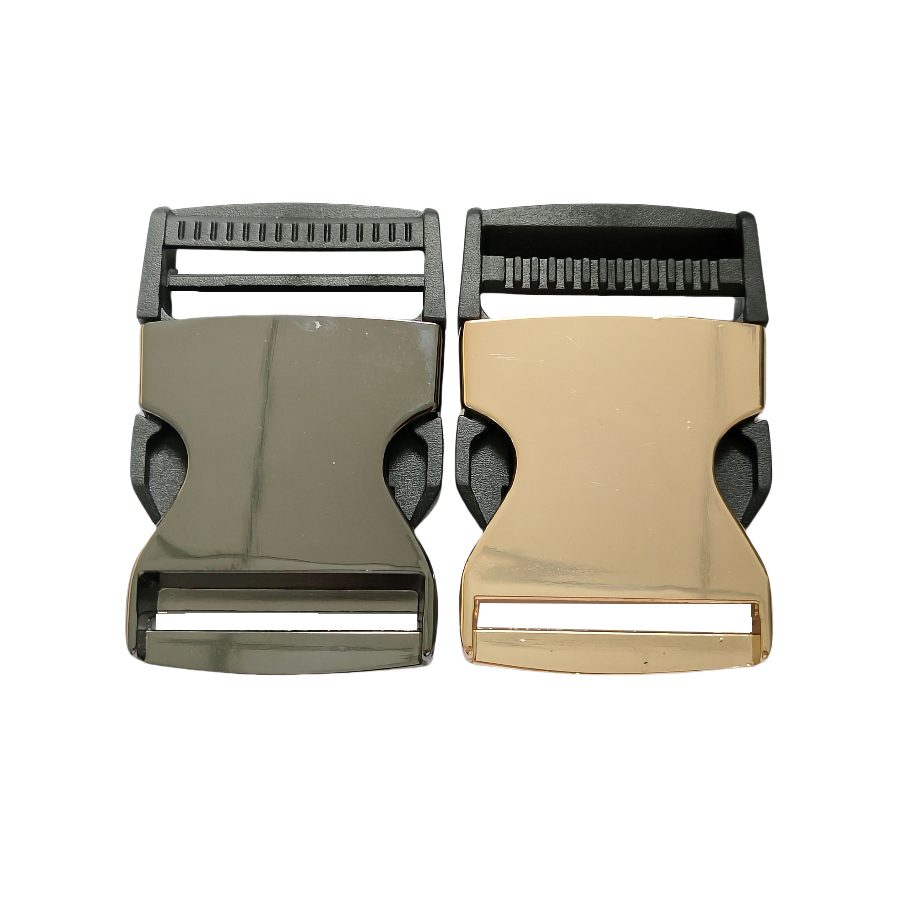
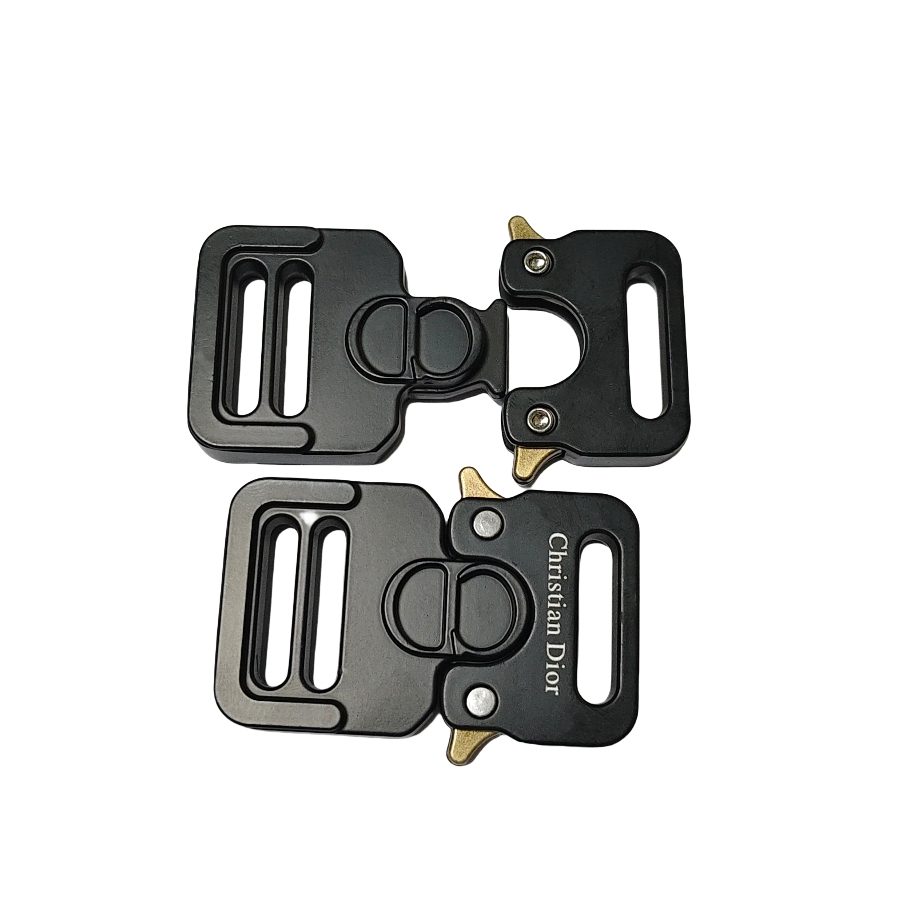
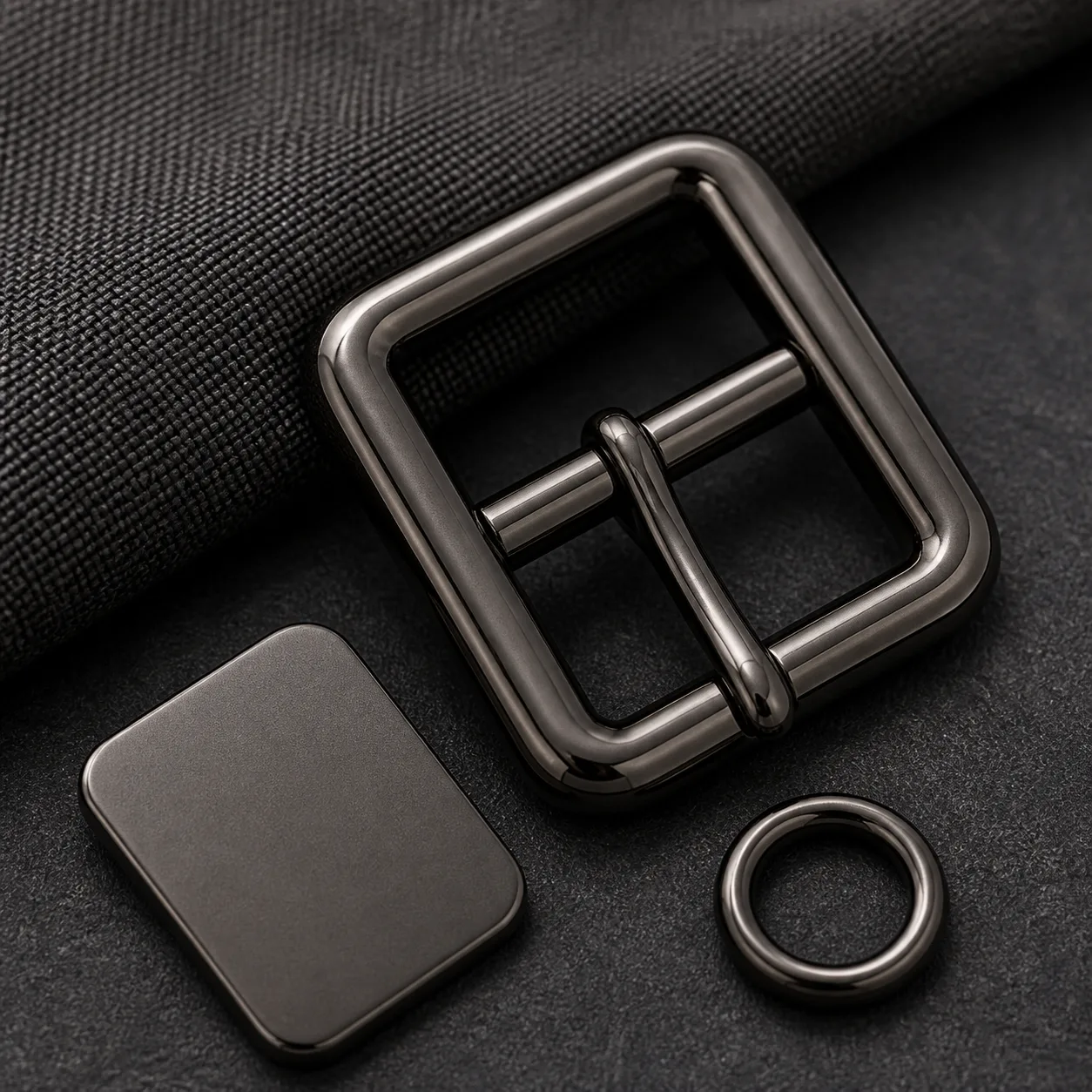
Gunmetal keeps a metallic response: raised edges catch light, recesses go darker, and the part reads as a shaped metal object rather than a silhouette. On a part with relief or a logo, that difference is exactly what makes the detail visible.
How each photographs
This matters commercially because product photography is where most buyers first see the hardware. Matte black hardware photographs as a clean, quiet shape and is easy to light; it can also disappear against dark fabric.
Gunmetal needs directional light to show its character, and in a flat lightbox it can look like a mid-grey. If the brand photography style is soft and diffuse, gunmetal will not look the way it does in the hand. Review samples under the lighting the product will actually be photographed in.
How wear shows
On coated matte black, wear typically shows at edges where the coating is thinnest, and the contrast between the dark surface and whatever is underneath makes it visible. On plated gunmetal, edge wear tends to brighten rather than change colour completely, which some designs treat as a feature.
Neither hides wear as well as an antiqued finish, which is designed around the idea of a broken surface. If the product will visibly age, that is worth factoring in at the finish decision rather than treating wear as a defect later.
Matching across a set
Matte black is easier to match across parts made by different processes, because a coating covers the substrate and the flat surface hides small differences. That is a practical advantage on a hardware set combining cast, stamped and plastic parts.
Gunmetal is harder to match across substrates, because the metallic response depends on the surface underneath. A gunmetal cast part and a gunmetal stamped part can look different side by side even when the plating specification is the same.
Approving either one
Approve against physical samples of the actual parts, seen together, under the intended lighting — not against a colour name and not against a screen. State that batch matching is against the approved set.
Where the product goes through washing or other processing after assembly, approve after that process. This guide does not state abrasion or corrosion figures for either finish; if performance is part of the decision, agree the test and the standard separately.
Which to choose
Choose matte black when the hardware should recede, when the set mixes substrates and must match, or when the brand look is flat and graphic. Choose gunmetal when the hardware should read as metal, when relief or a logo needs to show, or when the design wants depth rather than silhouette.
Both are common and neither is a compromise. What causes trouble is specifying one and expecting the other, which the words dark hardware make easy to do.
Matte black is a flat surface that hides substrate differences and photographs uniformly; gunmetal is a metallic surface that shows detail and depth but is harder to match across substrates. Decide from how the hardware should read, and approve physically under the intended light.
 Finish Guides
 Finish Guides
 Finish Guides
 Finish Guides
 Finish Guides
 Finish Guides