

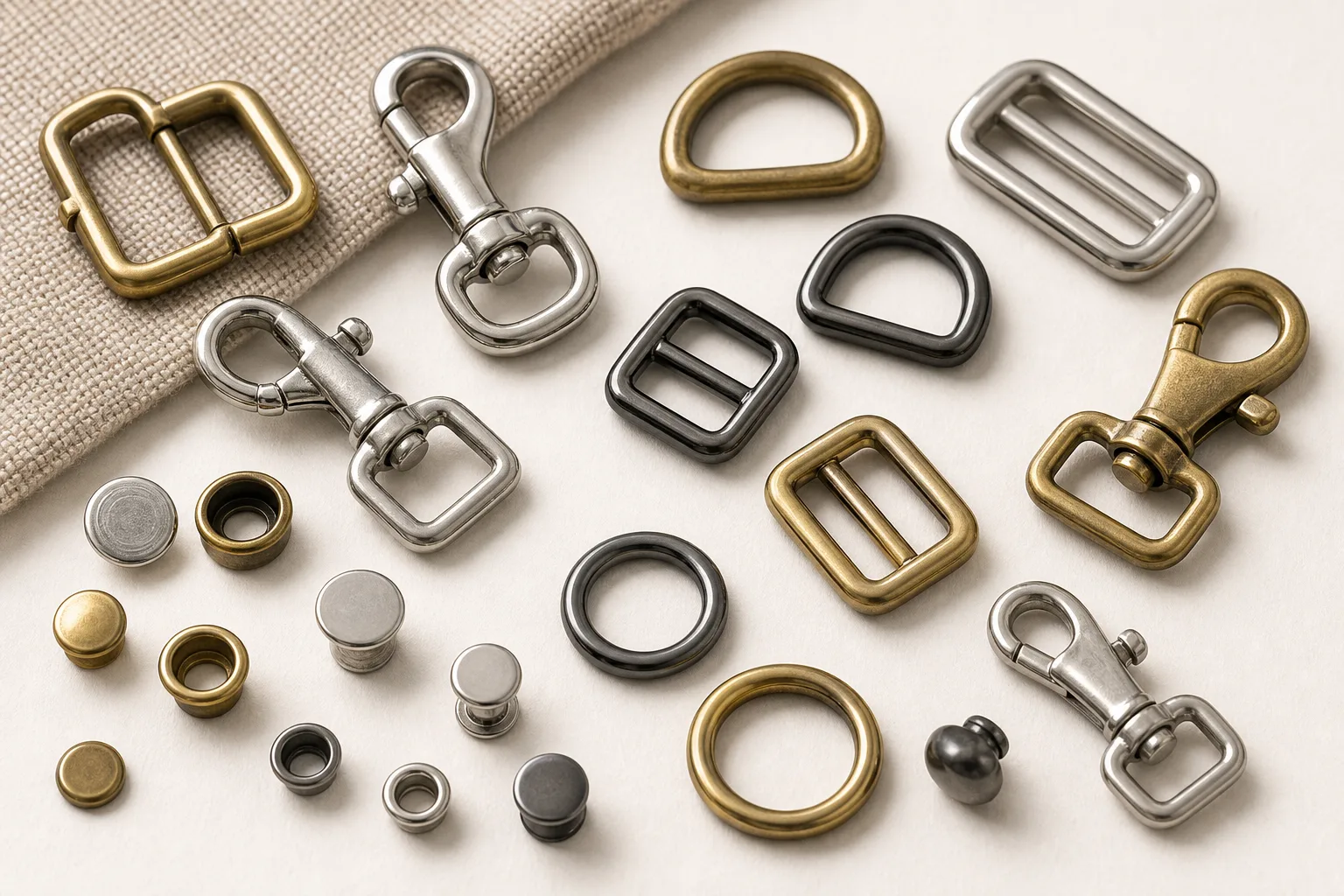
PVD is often introduced to a buyer as a premium finish, which says nothing about whether it fits the part. Understanding how the process runs — a batch, a vacuum, a very thin film — explains its cost shape, its colour limits, and why substrate preparation matters even more than in plating.
A batch process in a chamber
Parts are loaded onto fixtures, the chamber is evacuated, the source material is vaporised, and the film condenses. The cycle takes what it takes regardless of how many parts are inside, so the economics depend on how densely the chamber can be packed.
That is why small parts can be surprisingly reasonable and large or awkward parts expensive. It is also why quantity behaves differently from a continuous plating line — ask for costing against your actual part and batch size.
The film is thin, so the substrate shows
A PVD film is very thin compared with a plated stack. It follows the surface rather than levelling it, so scratches, tool marks, parting lines and porosity in the part underneath remain visible after coating.
The practical consequence is that PVD usually requires a well-prepared and often already-plated substrate to look right. Asking what preparation is required is not a detail — it can be most of the cost.
Colour range and matching
Colours come from the deposited compound, which gives a limited set: gold tones, dark tones, greys. Reproducing an arbitrary plated antique effect in PVD is not a substitution but a development project.
If part of a hardware set is PVD and part is plated, they will not match by specifying a colour name. Decide the whole set together and approve it physically.
Where the hardness helps
The reason to specify PVD is a hard surface where continuous rubbing occurs. Where a part is knocked occasionally and otherwise left alone — which describes most bag and garment hardware — the harder film buys less than the price difference implies.
Being able to name the specific position and the specific wear it sees is a good test of whether the choice is justified.
Fixturing and geometry
Parts have to be held in the chamber, and the contact points may show. Line-of-sight matters more than in a plating bath, so deep recesses and internal surfaces can be under-coated.
Discuss fixturing and any areas that will not be fully coated before samples, particularly on parts with hollow backs or deep features.
What to specify and verify
The part and its geometry, the substrate condition and any pre-plating required, the colour with a physical reference, the specific wear position being addressed, batch size, and what testing can be run on your part.
This guide gives no hardness, thickness or wear figures for PVD, because they depend on the coating chemistry, the substrate and the test. If durability is the reason for choosing it, agree the test and the standard rather than accepting a general claim.
PVD is a batch vacuum process producing a thin hard film in a limited palette, and the surface underneath largely determines the result. It is worth specifying when a named position sees continuous rubbing and the requirement can be verified — not as a general upgrade.
 Finish Guides
 Finish Guides
 Finish Guides
 Finish Guides
 Finish Guides
 Finish Guides