
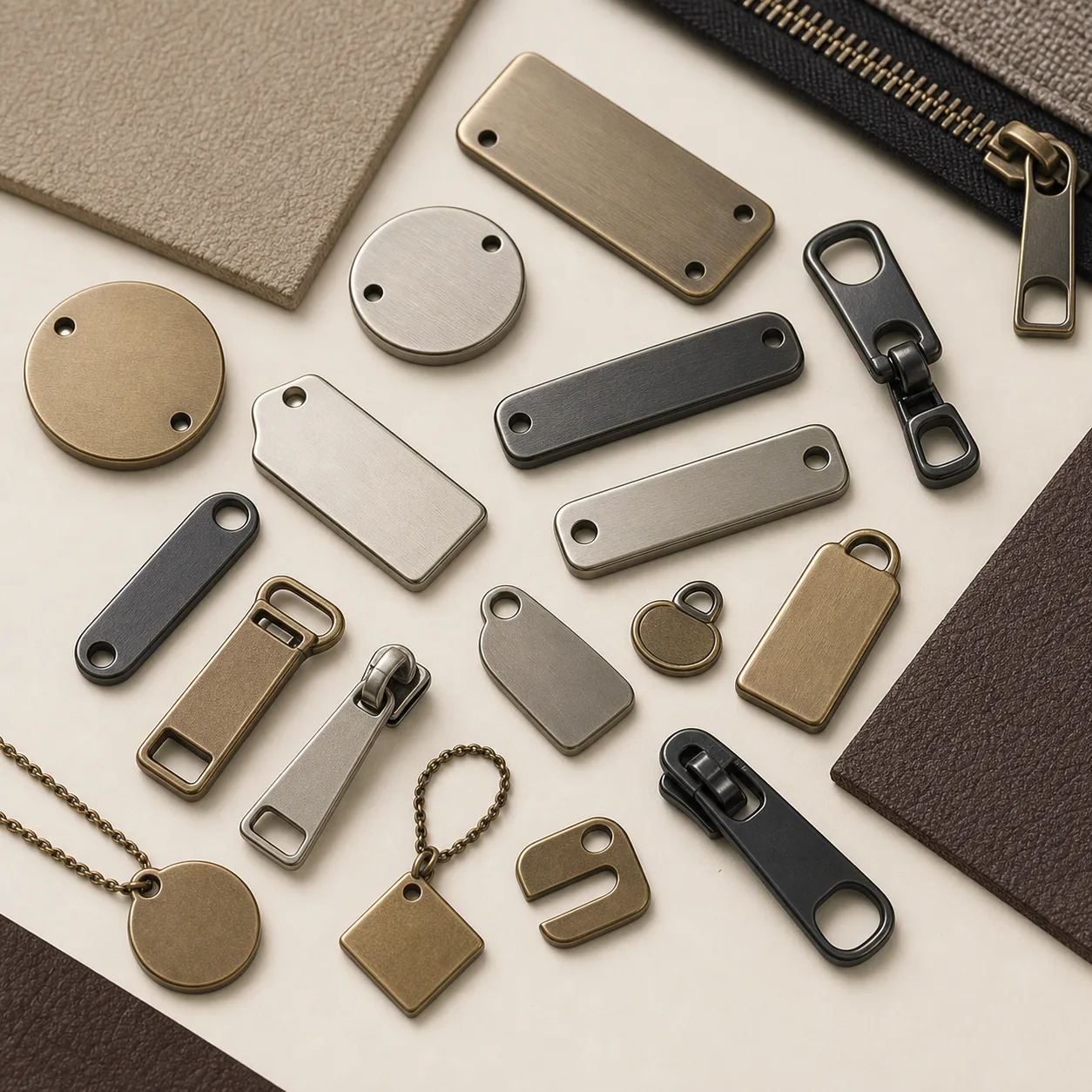
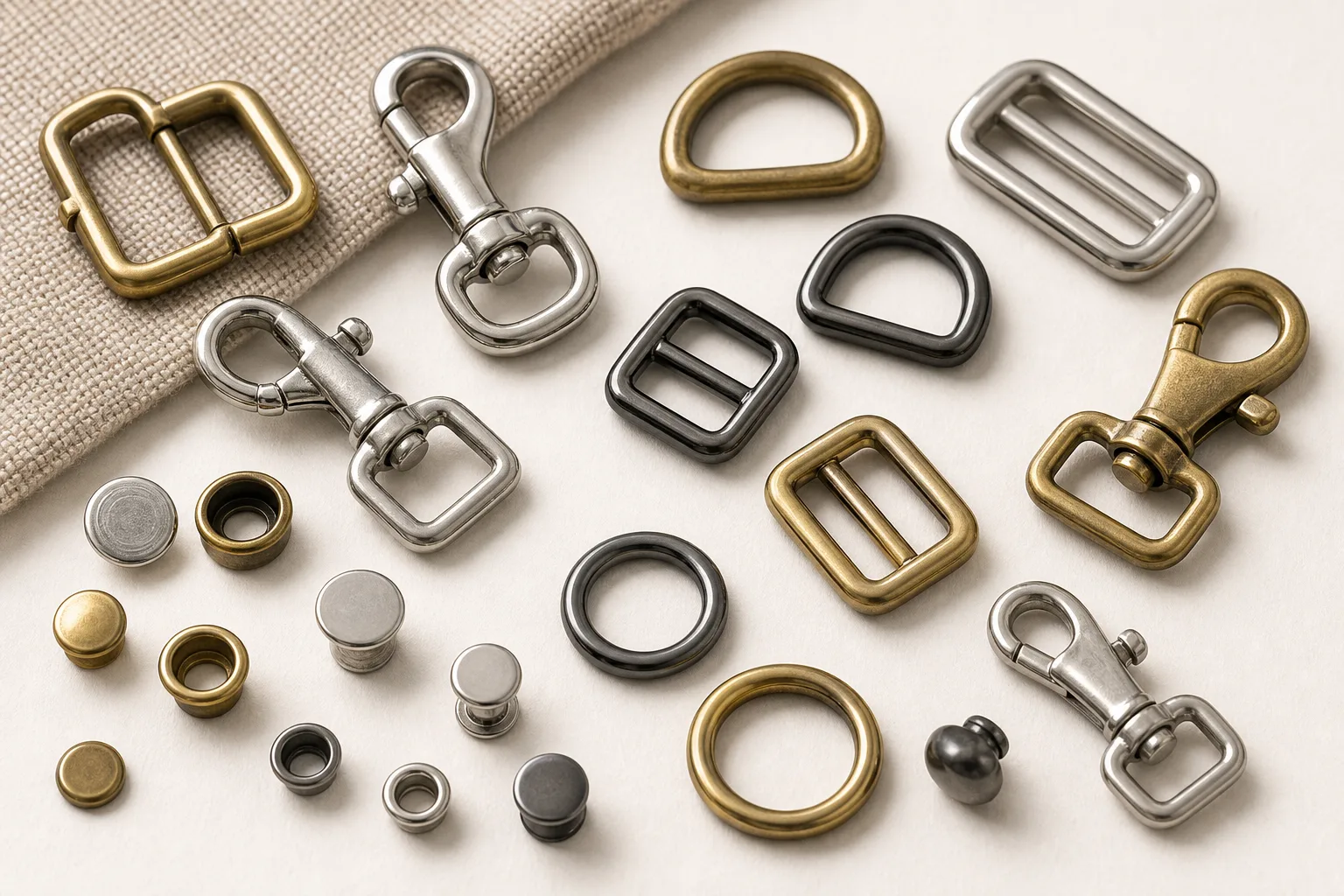
These three get compared as if they were styles, but the practical differences are commercial: one is free to change and costs per piece, one is fixed in tooling and free per piece, and one sits between. Knowing which constraint you care about usually settles the choice faster than looking at samples.
Where the mark lives
Laser marking works on the surface. Depending on the material and settings it can darken, lighten or lightly ablate, but the mark is essentially at the surface with negligible depth. Run a fingernail across it and you often feel nothing.
Debossing puts the mark in the geometry: the tooling has the mark, so every part comes out with it formed in. Engraving removes material after the part exists, cutting a groove that has real depth and a cut surface with its own light response.
Tooling versus per-piece cost
Debossing costs nothing per piece once the tooling exists, because the mark comes out of the mould or die. It costs a tooling change to alter, which is the entire trade-off.
Laser and engraving are per-piece operations: each part spends time under a laser head or a cutter. That makes them slower at high volume but free to change — a new artwork is a new program, not a new tool. For small runs, variable data, or a brand that iterates, that flexibility is worth more than the per-piece time.
How each looks after finishing
Order matters. A debossed or engraved mark that is plated afterwards keeps its depth and gains the finish; the recess can hold darker tone and read as a shadow. A laser mark applied after plating sits on the finished surface and can look crisper, but it is also on top of the layer that will wear.
Ask the supplier when in the sequence the mark is applied. Two samples of nominally the same mark can look quite different depending on whether they were marked before or after finishing.
Detail limits at small sizes
Laser resolves the finest detail of the three, which matters for small marks with fine line work. Engraving is limited by the cutter geometry — an internal corner cannot be sharper than the tool. Debossing is limited by what the tooling can form and by how the material fills, so very fine detail can soften.
If the mark is small and detailed, laser is often the only route that keeps it legible. If the mark is bold and the part is cast anyway, debossing gives it depth at no per-piece cost.
Wear behaviour
A debossed or engraved mark has depth, so surface wear does not remove it — the geometry survives even when the finish above it changes. A surface laser mark can be abraded off where the part is rubbed continuously.
For hardware handled constantly, that is a real consideration. This guide does not state how many cycles any mark survives, because it depends on the process, the substrate and the finish; if the mark must persist, say so and ask what testing is possible.
How to choose
Choose debossing when the part is tooled anyway, the artwork is settled and volume is high. Choose laser when the artwork may change, the run is small, the detail is fine, or the mark is variable. Choose engraving when depth is wanted on a part that is not cast, or where the cut surface itself is part of the look.
Send vector artwork with the finished mark size and ask which routes are viable at that size on your part. Suppliers can usually rule one out immediately, which shortens the decision.
Debossing is free per piece and fixed in tooling; laser is free to change and costs per piece; engraving gives depth without tooling. Choose from whether the artwork is settled and how the mark must survive, not from which looks best on a sample card.
 Comparison Guides
 Buyer Guides
 Finish Guides
 Comparison Guides
 Finish Guides
 Comparison Guides