
Buyers rarely specify a forming process directly, but it is behind most of what they do specify: why one part carries a crisp logo and another does not, why one has a hollow back, why two similar-looking buckles are priced differently. Understanding the two routes makes supplier recommendations legible instead of arbitrary.
What each process does
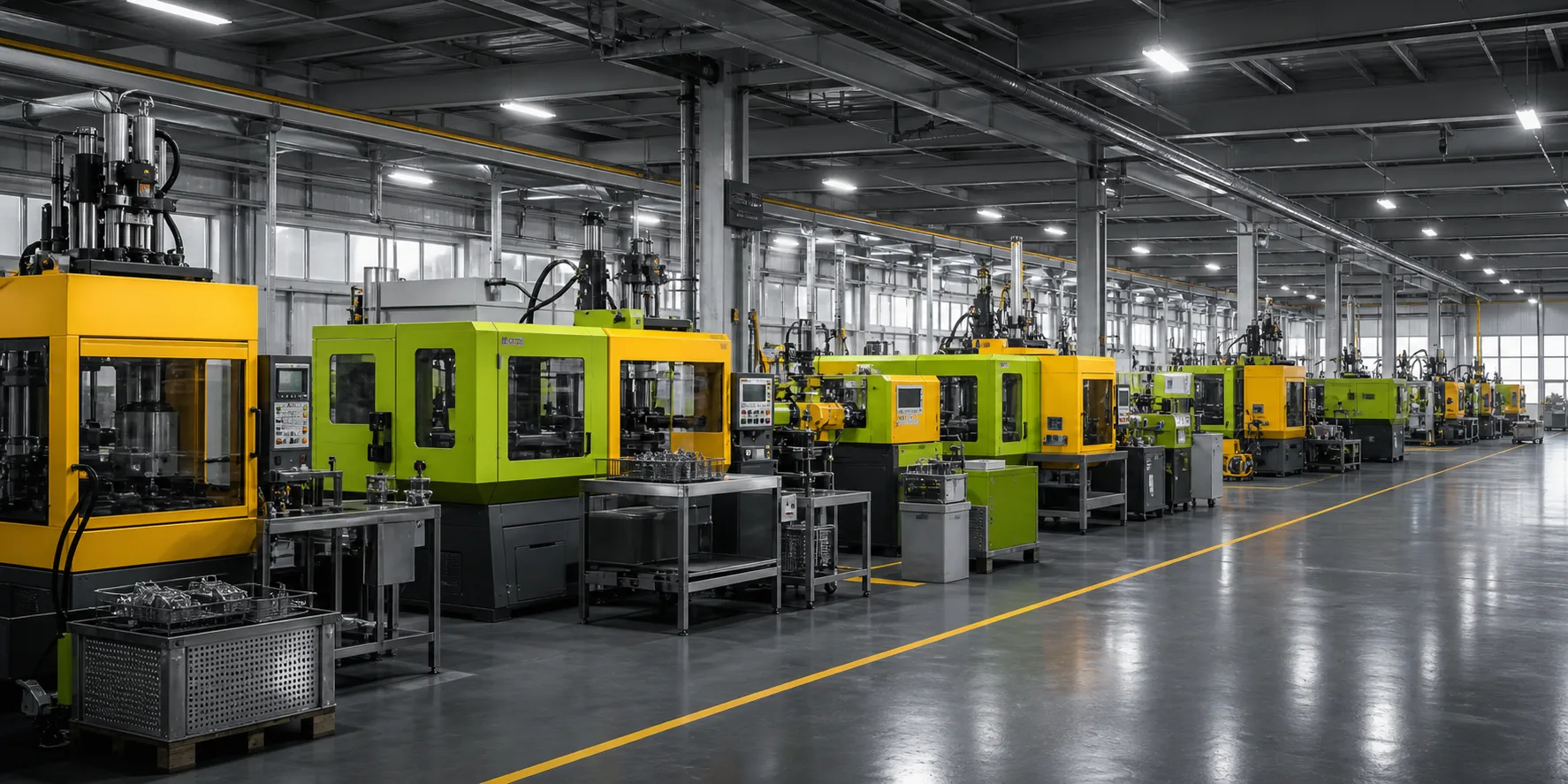
Die-casting forces molten metal into a steel mould under pressure. The part comes out close to final shape, including relief, texture, hollow sections and integral features such as shanks or posts. Secondary work is mostly trimming, tumbling and finishing.
Stamping starts from flat sheet or coil. Progressive dies cut, form and bend the material through a series of stations. The result is a part of essentially constant thickness whose shape is what the sheet can be made to do.
Geometry: what is easy and what is not
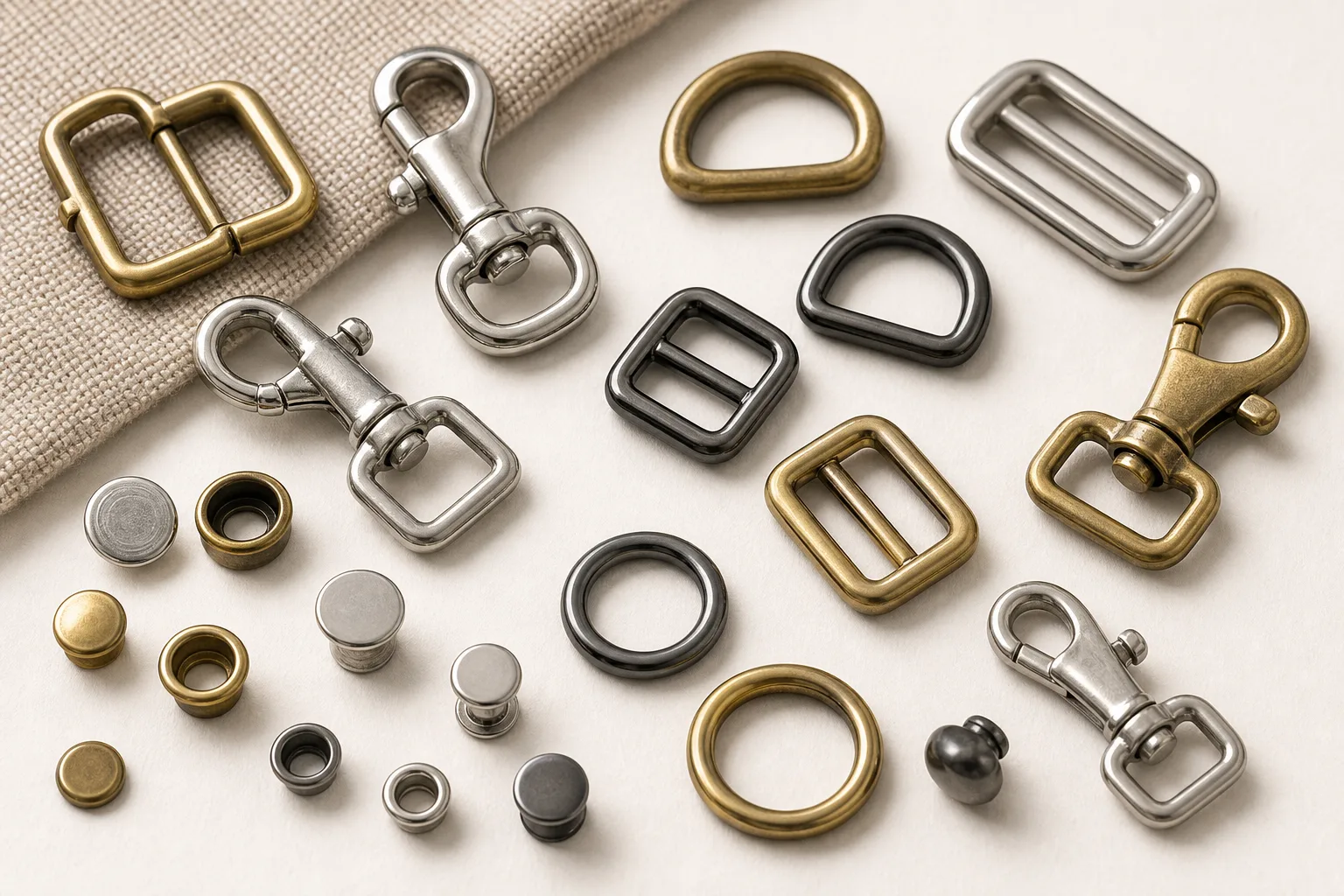
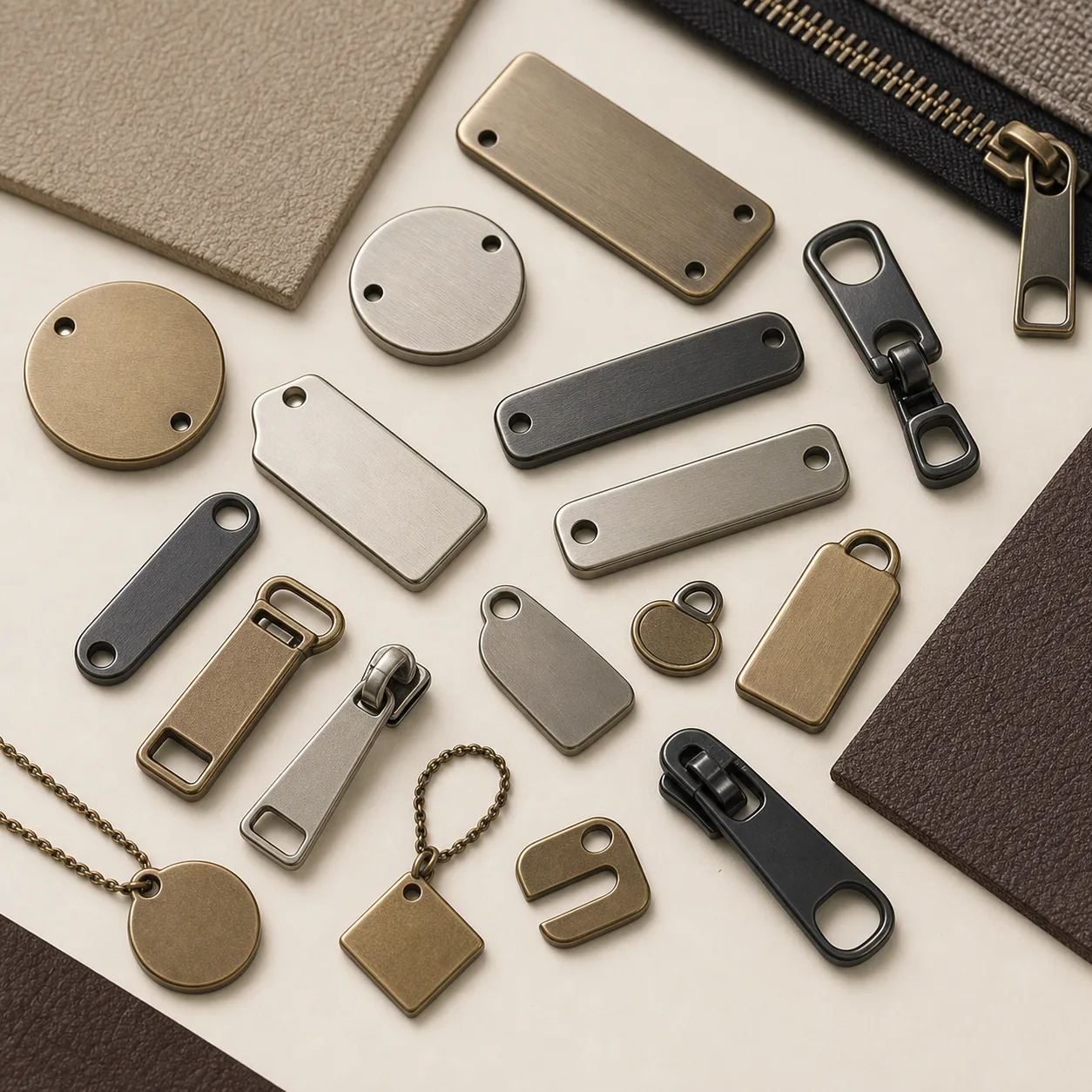
Casting handles sculpted surfaces, varying section, undercuts, integral logos and hollow backs. Stamping handles flat shapes, simple bends, formed profiles and features that can be pierced or coined. Asking a stamping to be sculpted, or a casting to be very thin over a wide area, is where cost and reject rates climb.
This is why a supplier may respond to a drawing by proposing a different construction. It is usually a process comment, not a design opinion, and asking which route they are assuming makes the reasoning visible.
Section thickness and strength
A stamped part gets its strength from the sheet, which can be thin and still strong because the material is wrought. A cast part needs enough wall thickness for the metal to fill, so very thin cast sections are harder to produce reliably.
For a part that must be slim and loaded — a flat ring, a thin plate, a slim hook — stamping is often the natural answer. For a part that is chunky and shaped, casting is.
Tooling and cost shape
Both routes need tooling and both amortise it over the run, but the shapes differ. Casting tooling generally costs more up front and then produces complex parts at low piece cost. Stamping tooling for a simple part is cheaper, but progressive dies for complex forming can be substantial.
Because of this, the cheaper route depends on complexity and quantity together. Ask for tooling and piece cost separately and compare at the quantity and repeat pattern you actually expect, not at a nominal sample quantity.
Surface and finish behaviour
Cast surfaces come out of a mould and carry the mould texture, plus a parting line that has to be managed. Stamped surfaces carry the sheet finish plus cut edges that need deburring or rolling, and a cut edge is where a coating is thinnest.
Neither is inherently better for finishing, but they need different attention. On a cast part, ask where the parting line falls relative to the visible face; on a stamped part, ask how edges are treated before plating.
How to use this in an inquiry
Send the geometry and the load path and let the supplier propose the route, then ask why. If a sample exists, ask which route made it. Where both routes are viable, ask for both quoted with tooling separated, because the crossover point depends on your quantity.
State any constraint that pins the route: a logo in relief pins casting; a thin loaded section pins stamping; a weight limit may pin either depending on the geometry.
Casting buys shape once tooling exists; stamping buys thin, strong, simple sections cheaply. Most hardware decisions that look like material choices are really this choice, and asking a supplier which route they assume makes their recommendation something you can evaluate.
 Buyer Guides
 Comparison Guides
 Comparison Guides
 Comparison Guides
 Comparison Guides
 Finish Guides