
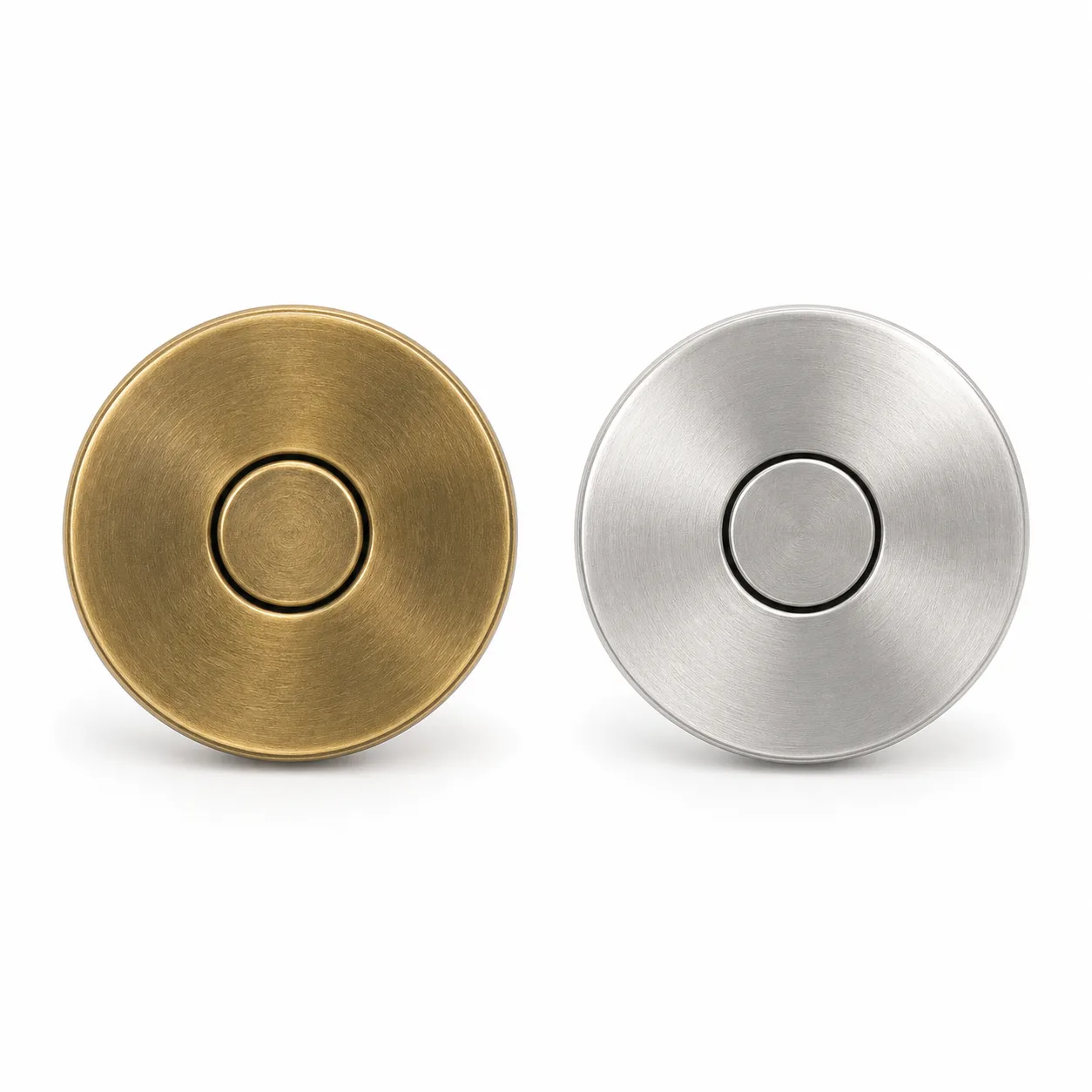
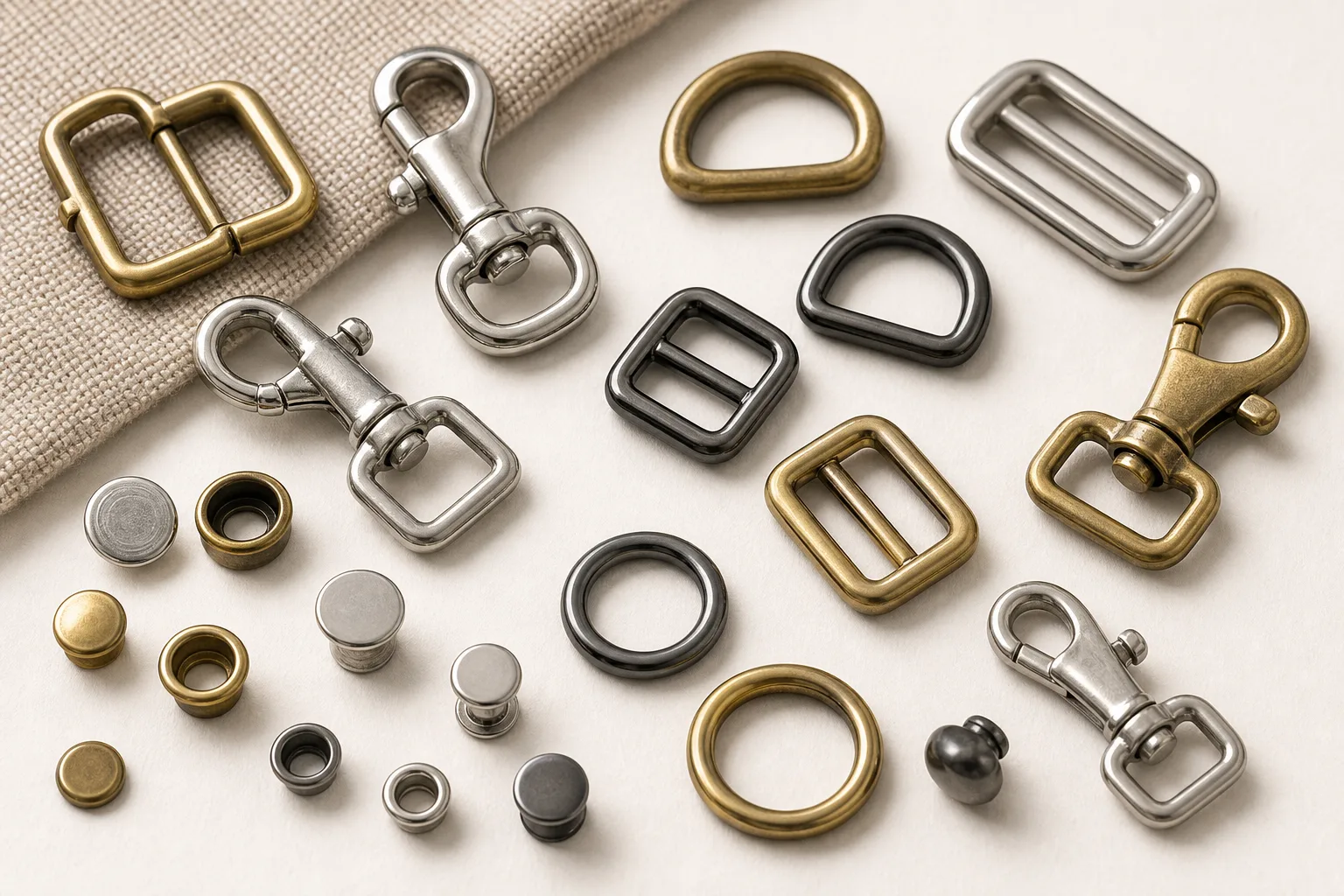
Both close a bag flap, and buyers often treat them as a style decision. In use they behave quite differently: one forgives poor alignment and the other rewards it, and the choice interacts with how structured the flap is and how full the bag gets.
How each closes in the user hand
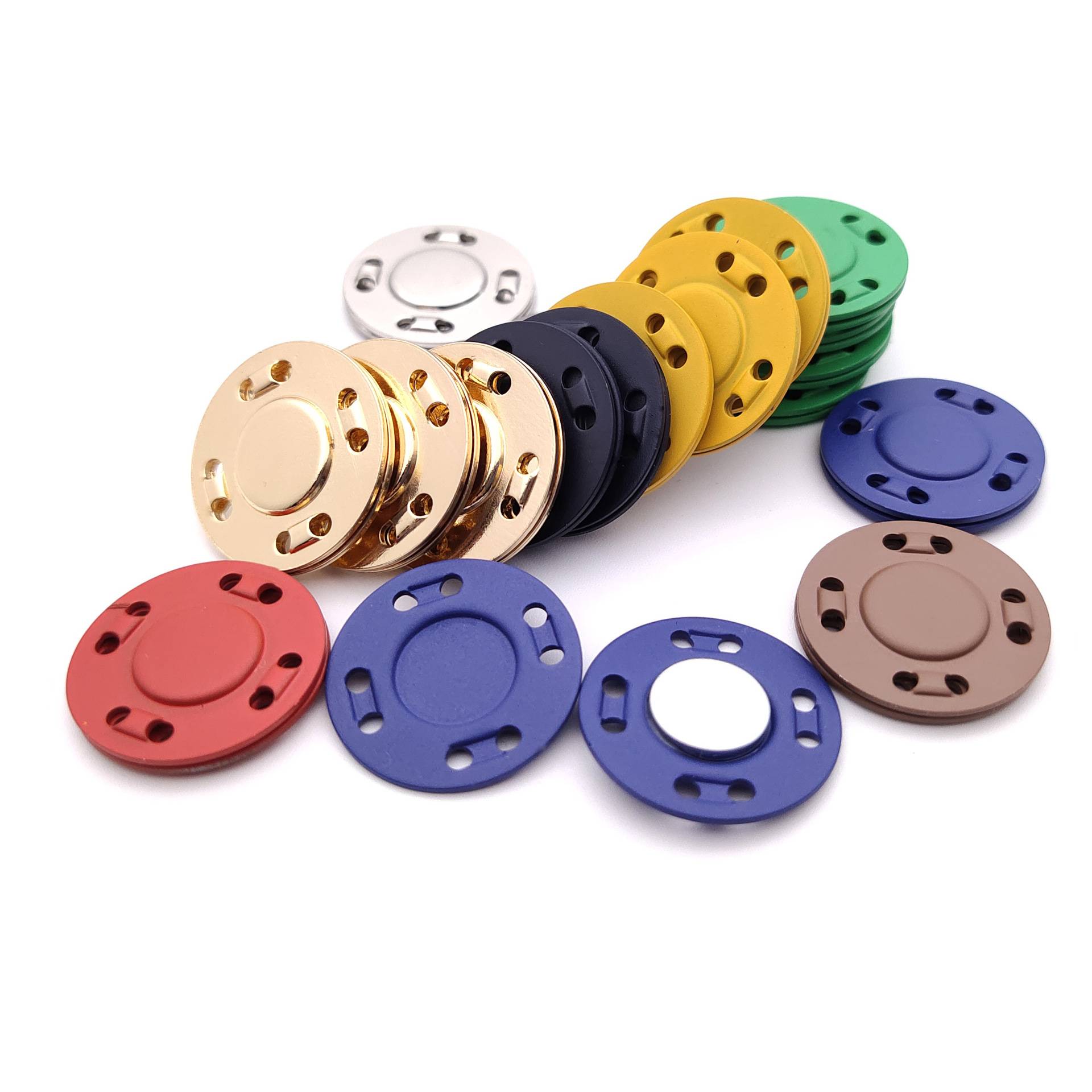
A magnetic closure does the last part of the work itself: bring the panels near and it pulls them together. That makes it forgiving when the user is holding something else, which is a large part of its appeal on everyday bags.
A snap needs the stud and socket lined up before pressure is applied. It gives a definite click and a clear closed state, but a misaligned attempt simply does not close. On a soft flap that arrives at a different angle each time, that is a real usability difference.
How they behave on a full bag
A full bag changes the geometry. The flap approaches at a different angle and there is outward pressure from the contents. A magnetic closure that met squarely on an empty bag may meet at an angle when full, and the felt strength drops.
A snap resists that outward pressure mechanically once it is closed, so it holds a full bag more positively. Testing on a loaded bag rather than a flat sample is the way to see this, and it is the condition users care about.
What each demands from the panel
Magnetic closures work better with some structure behind the panel so the discs meet squarely; on a very soft flap they need a stiffener. Snaps need the material to take the back part — prong, ring or rivet — and need reinforcement on thin material.
Both add rigid parts to a soft panel. On thin or light material, the outline can show from the face, which is a design consideration to settle before sampling.
Visibility and design language
A magnetic closure can be completely hidden, which is why it appears on designs where a visible fastener would interrupt the surface. Nothing shows on the outside, and the flap simply closes.
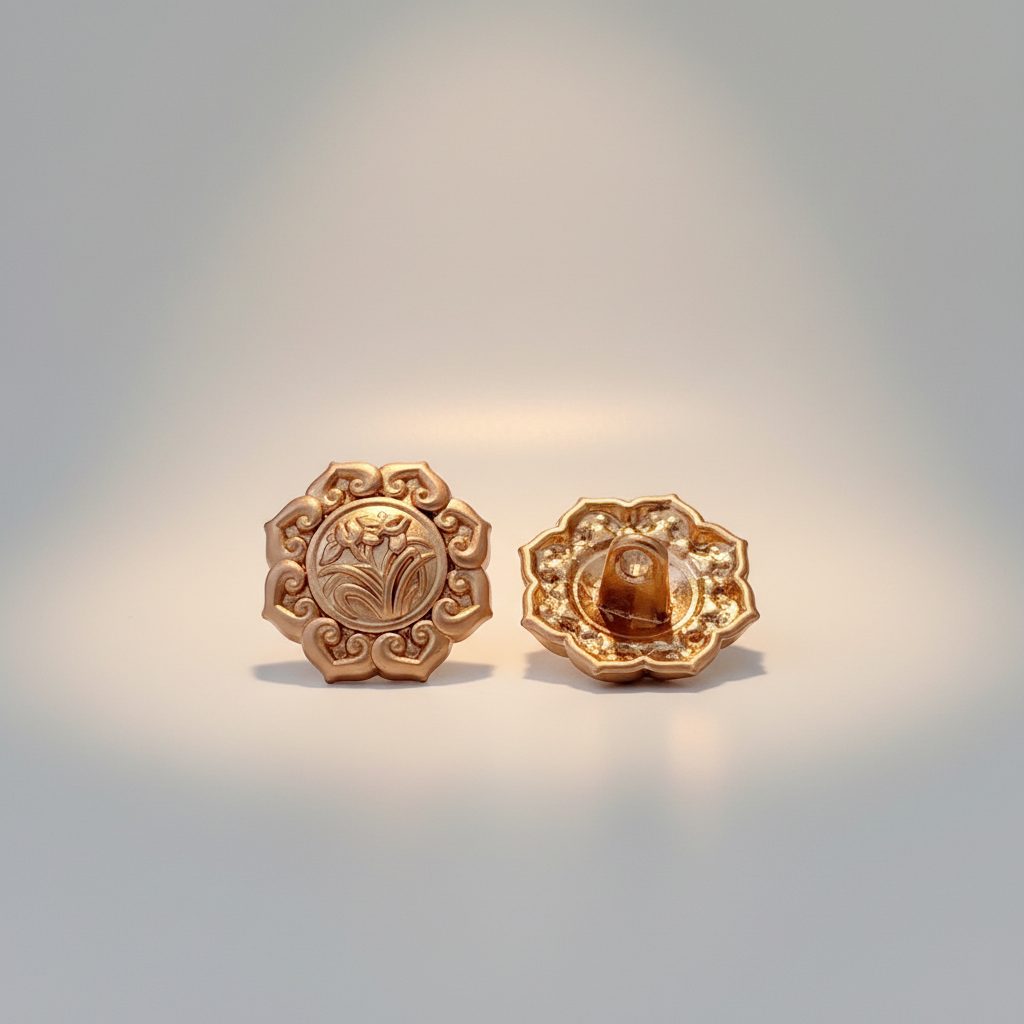
A snap can be hidden too, but it is often deliberately visible — a metal cap on the face is a design element and can carry a logo. If the brand wants a visible closure detail, a snap gives that; a magnet does not.
Practical limits
Neither is a security closure: both open by pulling. Magnetic closures also raise placement questions near card pockets or devices, which is usually solved by moving the closure rather than changing the part.
This guide does not state holding force for either. For magnets, the felt strength depends on placement, lever arm and panel structure; for snaps, on the socket type and the set quality. Both should be evaluated on a made-up, loaded sample.
Choosing
Choose magnetic when the closure should be invisible, when one-handed easy closing matters, and when the flap can carry a stiffener. Choose a snap when the closure should feel positive, when the bag is often full, or when a visible branded cap is part of the design.
Using both is common on larger bags — a magnet for daily convenience and a snap or buckle for security when carrying more. Say which does which job so the supplier specifies each appropriately.
Magnetic closures forgive alignment and disappear; snaps hold positively and can be a visible design element. The deciding factors are how full the bag gets, how structured the flap is, and whether the closure should be seen.
 Comparison Guides
 Quality Guides
 Comparison Guides
 Comparison Guides
 Comparison Guides
 Comparison Guides
 Application Guides