
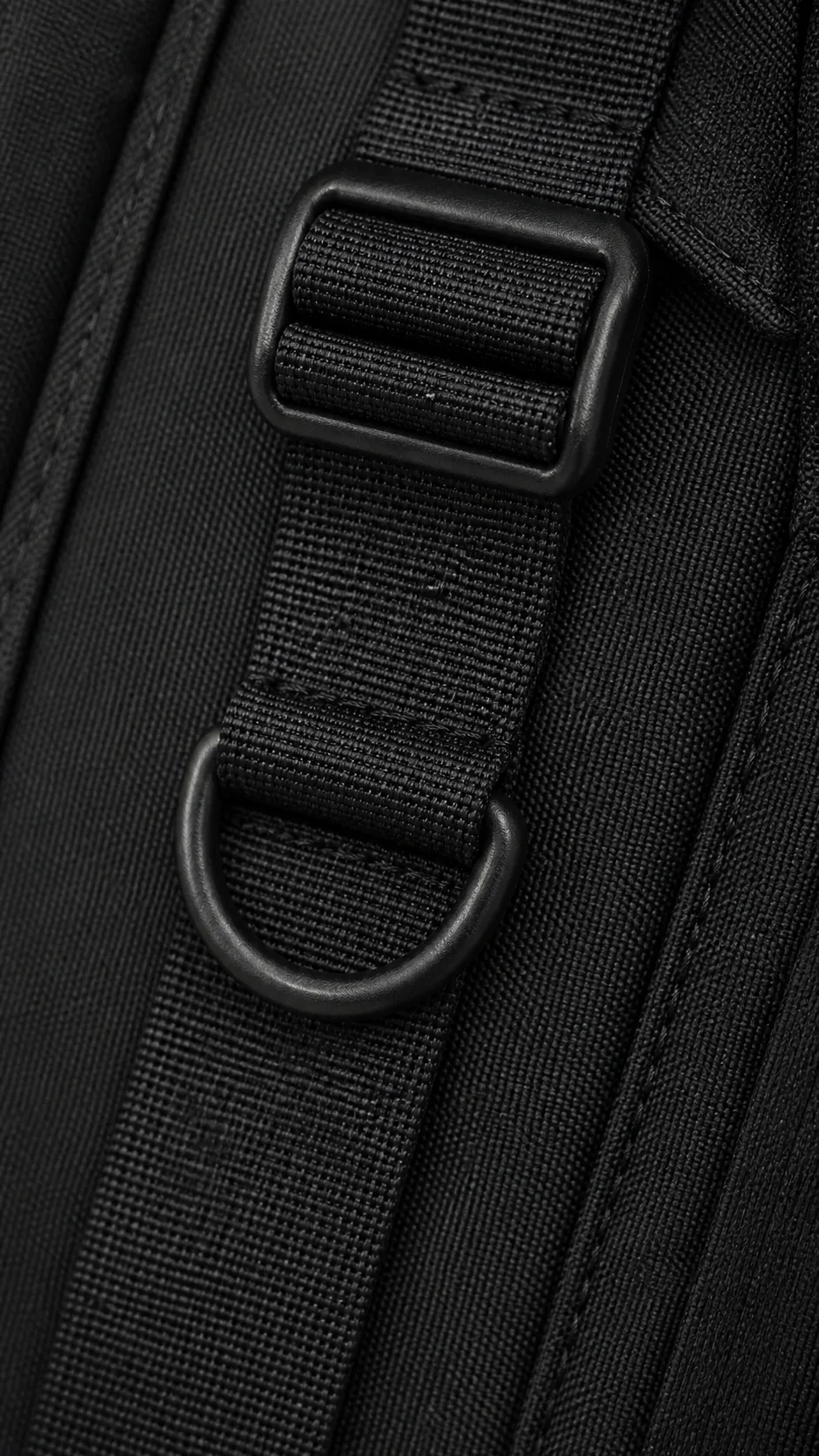
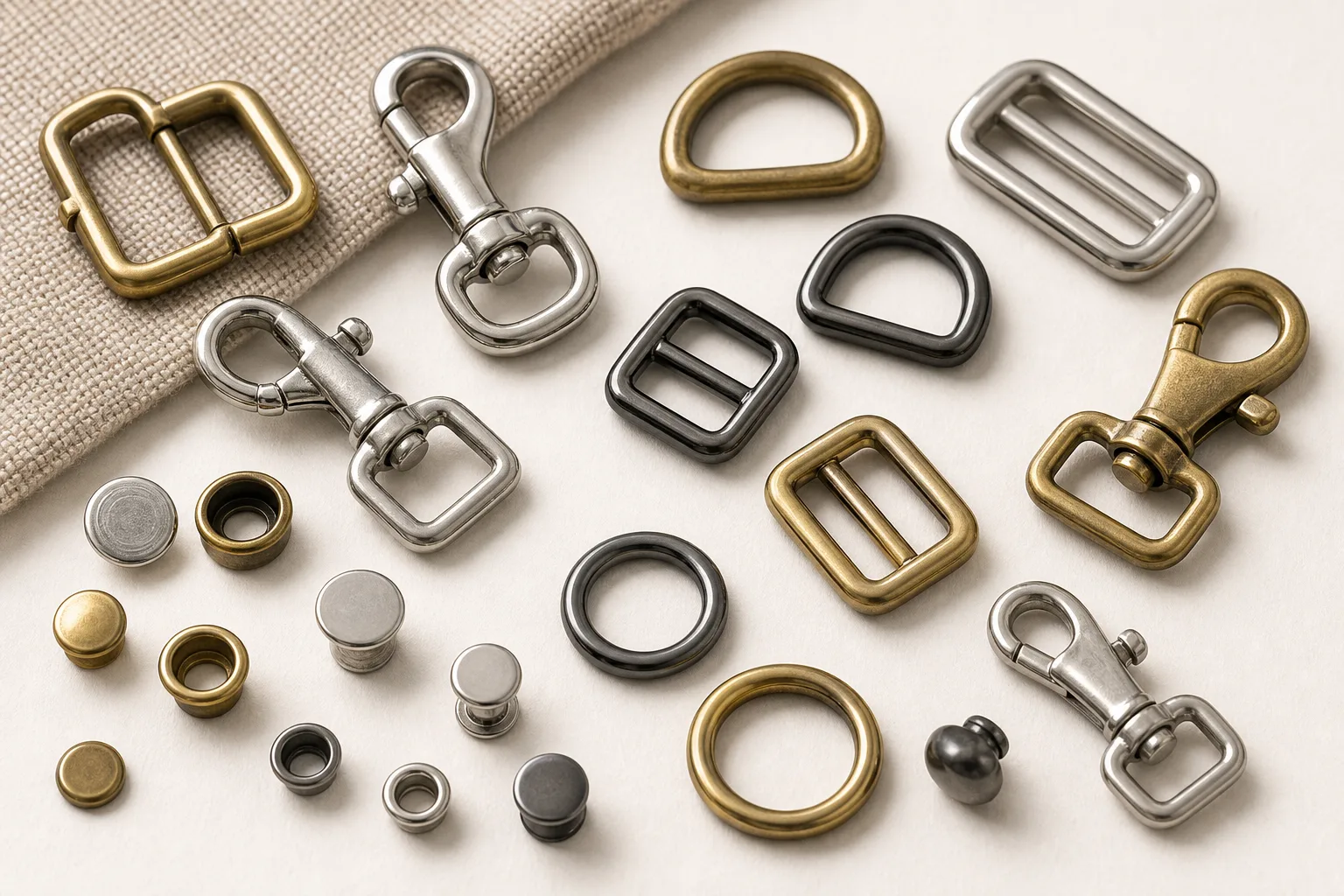
This is the category where the smallest components attract the most complaints. A slider on a bra strap carries almost no load, yet it is in contact with skin all day, moves against it, and is laundered more often than almost any other garment component.
Skin contact is the governing condition
Intimates hardware is worn directly against skin, often under a strap that presses it in place, for many hours at a time. That makes edge radius, back-face smoothness and coating integrity functional requirements rather than cosmetic ones.
Where prolonged skin contact applies, restricted-substance and skin-contact requirements may exist in your market. Determine which apply with your own compliance advisers, and state the specific scope in the enquiry so material and finish can be reviewed against it.
Small parts amplify small defects
On a large buckle a minor edge imperfection is invisible. On a component a few millimetres across, the same imperfection is a significant proportion of the part and sits directly under a strap.
Inspection attention needs to scale accordingly. Review parts under magnification and by touch, not only visually at arm’s length.
Constant laundering, gentle cycles
Intimates are washed very frequently, usually in gentler cycles but sometimes not, and often dried in ways the care label does not describe. The finish sees many cycles even if each is mild.
Coating adhesion and edge coverage matter more than resistance to any single harsh exposure. State the realistic care pattern rather than the label instruction.
Weight, bulk and how it sits
A part that is heavier or thicker than it needs to be shows through outer clothing and is felt when lying down or leaning back. Low profile is a design requirement in this category to a degree unusual elsewhere.
Where a metal look is wanted but the profile is critical, review coated or lighter-material options rather than reducing the part size to the point where it becomes uncomfortable to adjust.
Colour matching to fabric, not to a metal tone
In this category hardware is frequently matched to the fabric colour rather than presented as metal. That means colour approval is against a fabric swatch, and consistency between the fabric dye lot and the hardware finish becomes a live production issue.
Approve against the actual fabric, in the light the product is sold under, and agree in advance what happens when a dye lot moves.
What to specify
Garment type, strap or tape width, part positions and how each is worn, maximum profile and weight, skin contact duration, applicable restricted-substance scope for your market, realistic laundering pattern, colour matched to a fabric swatch, and quantity per colourway and size.
Send fabric and tape samples. In this category the hardware is matched to them, so an approval without them is provisional at best.
Intimates hardware is a skin-contact and comfort problem before it is a mechanical one. Specify profile, edge condition and colour against the actual fabric, state the skin-contact scope your market requires, and inspect small parts at the scale they are worn.
 Application Guides
 Quality Guides
 Application Guides
 Quality Guides
 Application Guides
 Application Guides