
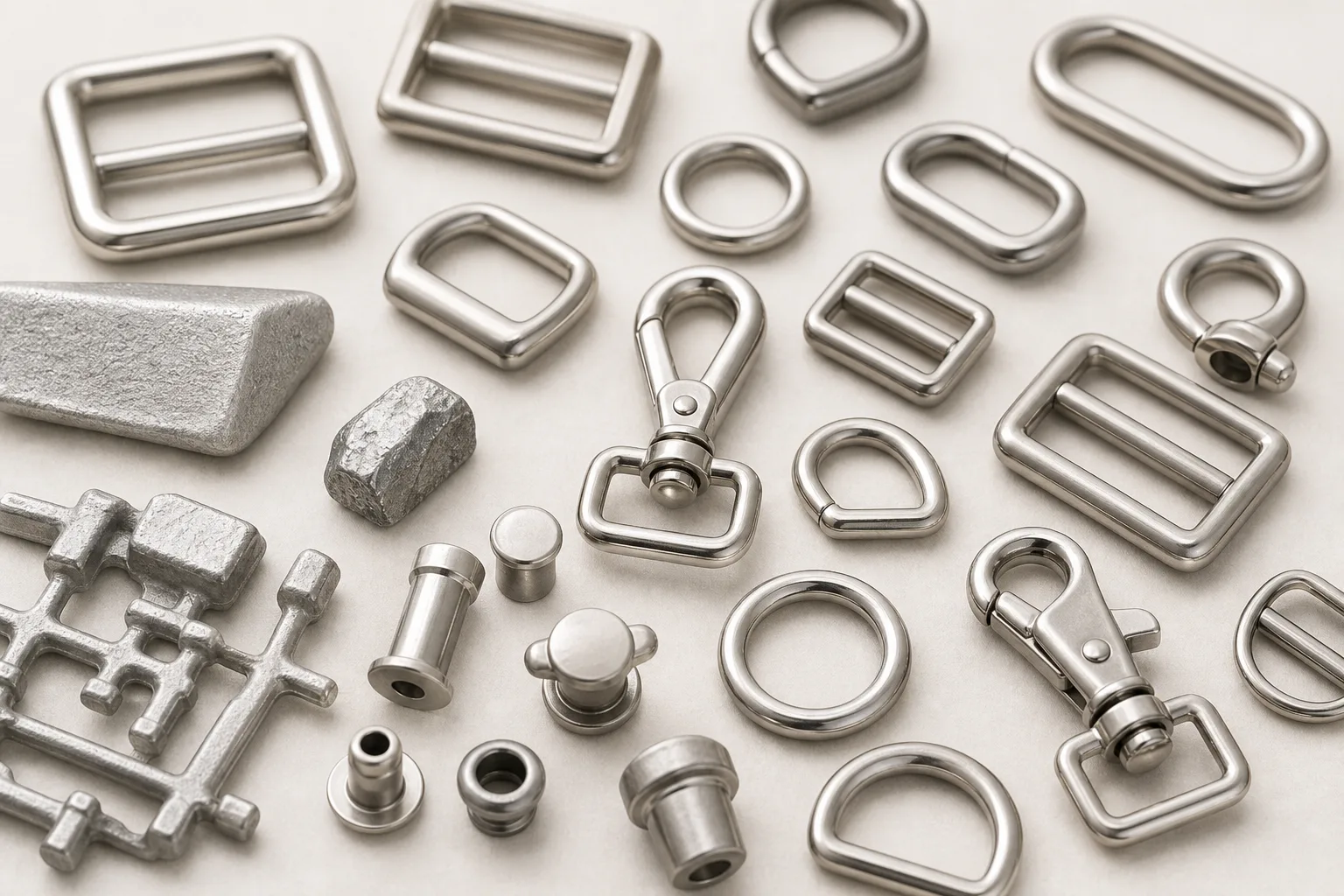
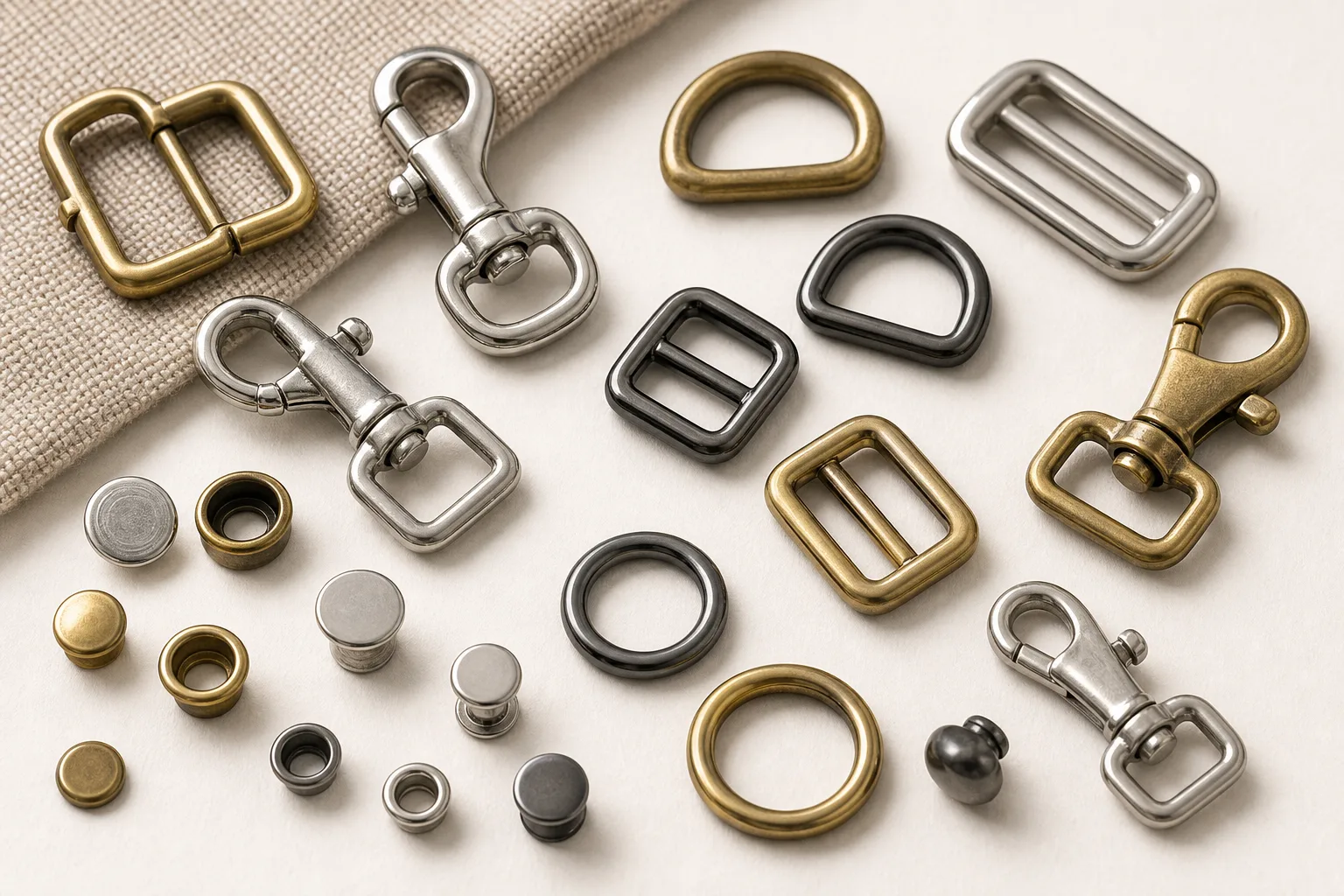
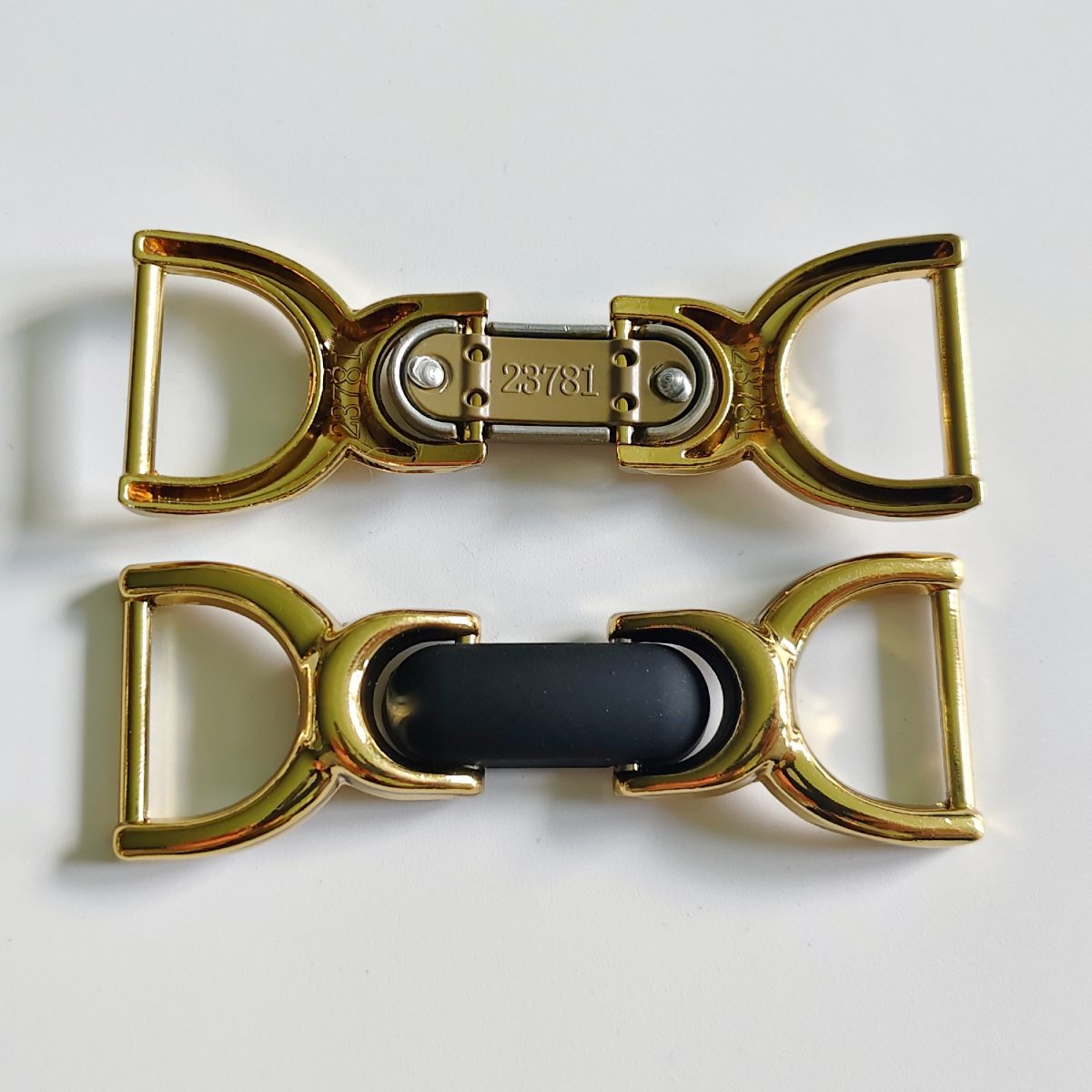
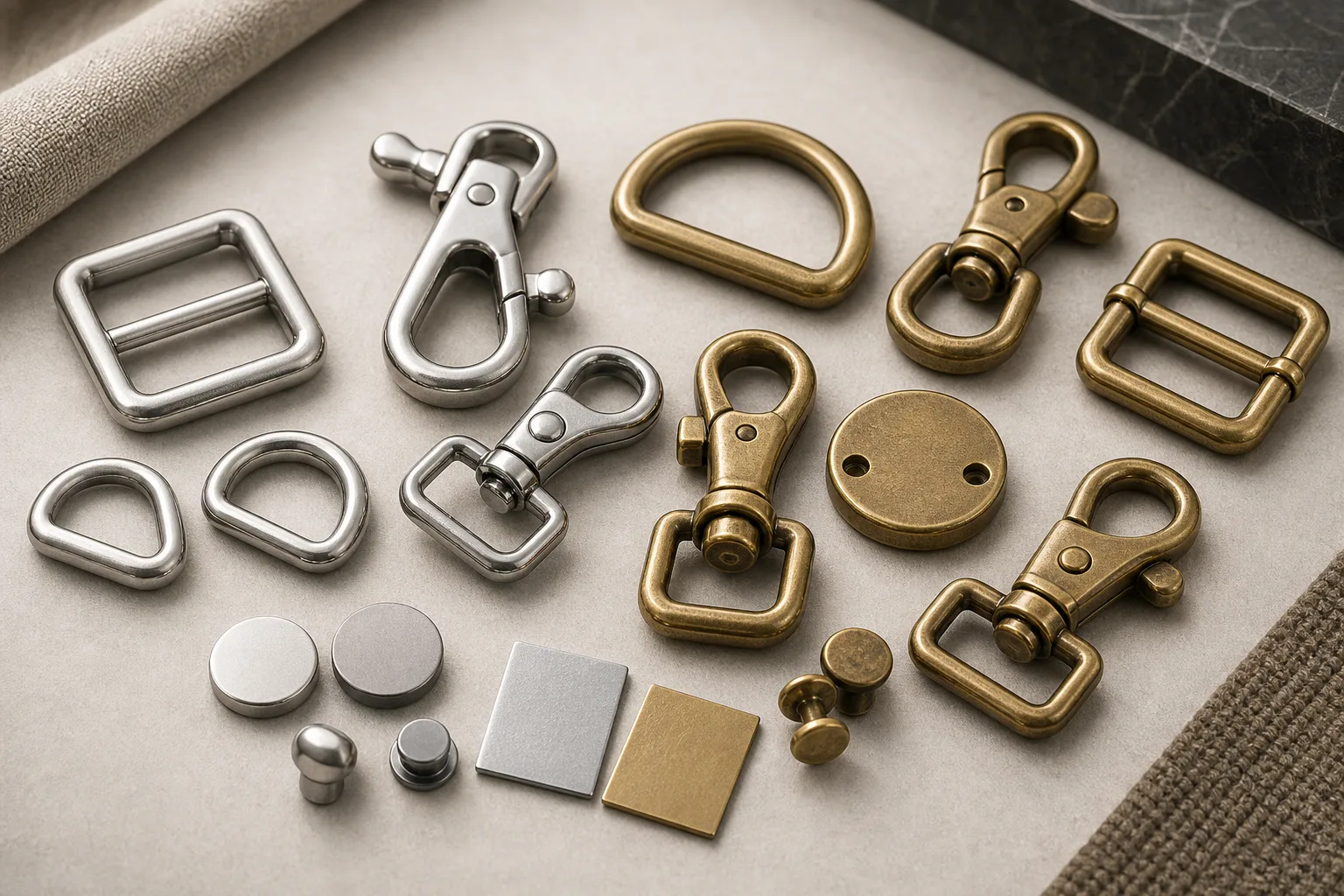
If a hardware part is shaped, carries relief, or has a logo formed into it, there is a good chance it is die-cast zinc alloy. Understanding why makes supplier recommendations legible, and it makes it clearer when a design is asking zinc to do something it is not good at.
Why it became the default
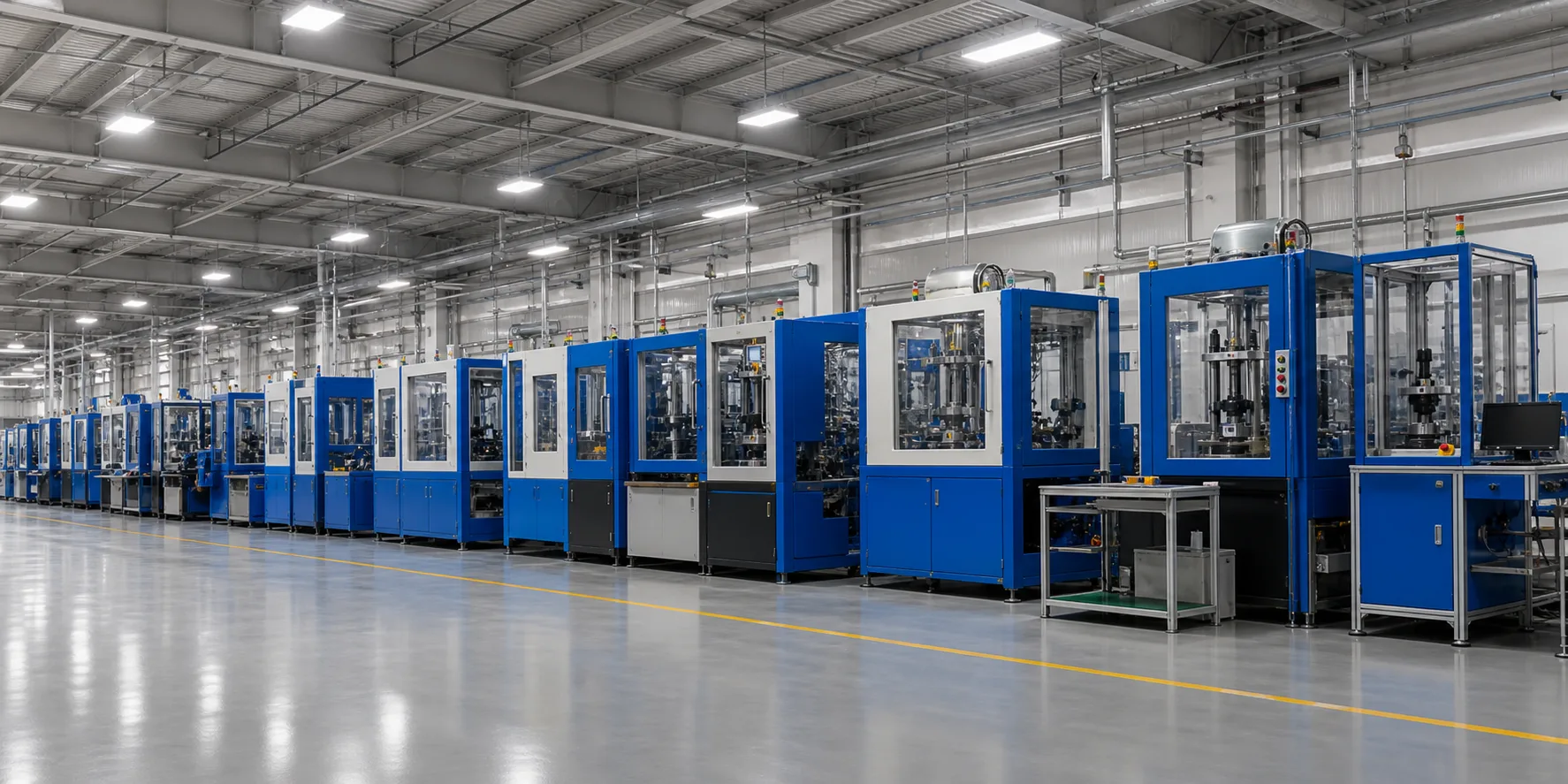
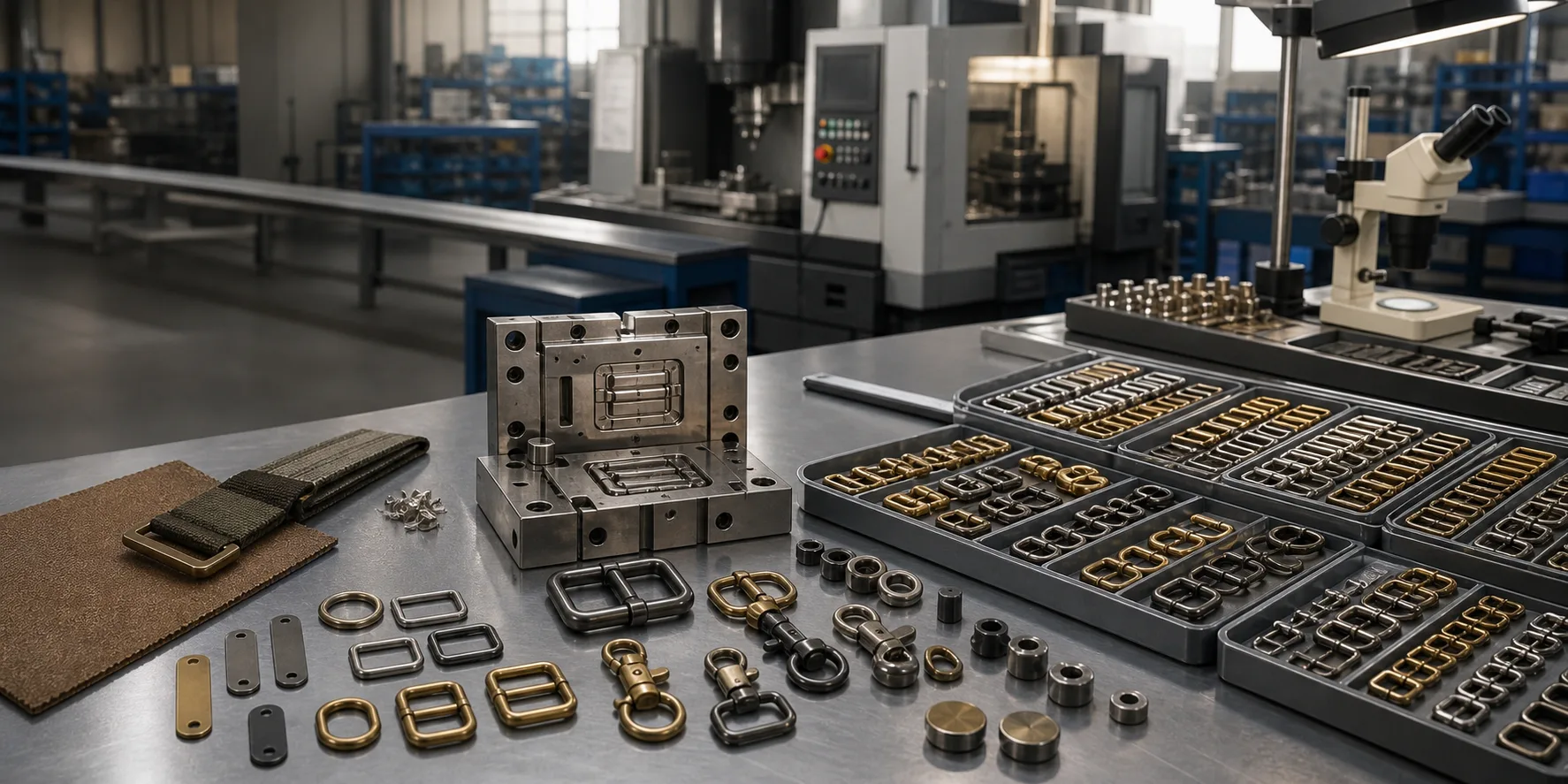
Zinc alloy melts at a temperature that lets it be pressure die-cast in steel tooling with long tool life. That combination — good flow, fine detail, tooling that survives a long production run — is what makes complex hardware economical.
It also plates well. The surface takes the plating stack readily, which matters because most hardware colour comes from plating rather than from the base metal. A material that casts well but plates badly would not have taken over the category.
What die-casting asks of the design
A casting needs enough wall thickness for metal to flow and fill before it freezes. Very thin sections are possible but they constrain the design and raise scrap. Sudden changes in thickness create their own problems, because thick and thin regions cool at different rates.
Every casting also has a parting line where the mould halves meet, and draft angles so the part releases. Those are not defects, but where they fall on a visible face is a design decision worth raising rather than leaving to the toolmaker.
Where it is the wrong choice
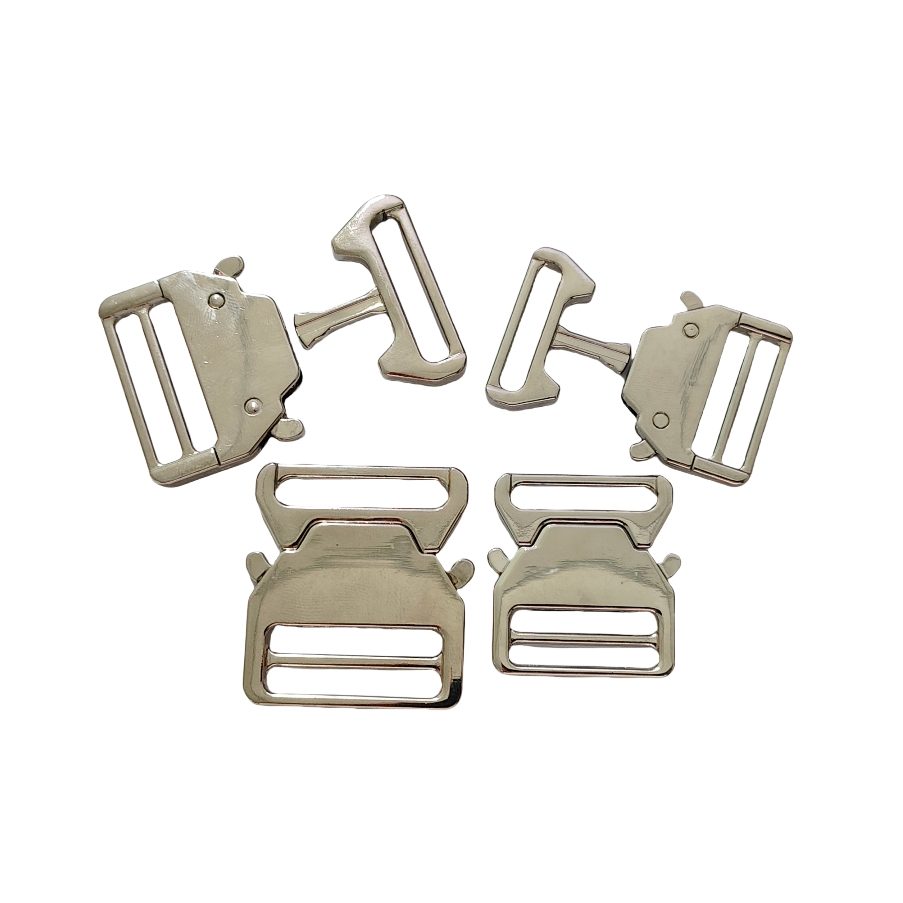
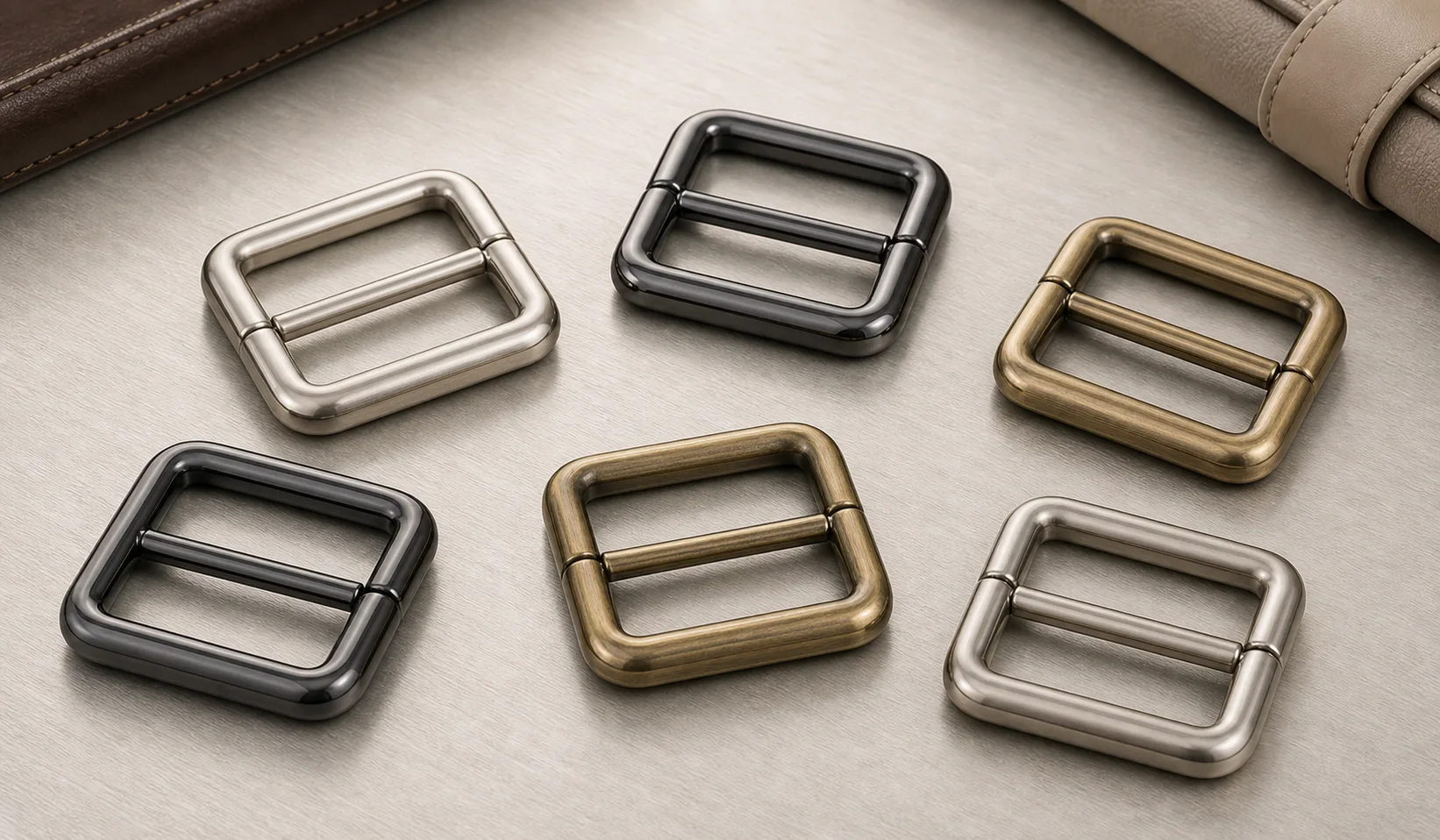
A part that must be thin and carry load is the clearest case: a slim flat ring, a thin plate under tension, a narrow hook section. A wrought material formed from sheet or bar gives strength in a thinner section than a casting comfortably can.
The other case is where the base metal will be exposed by design — a deliberately worn-back or unplated look. Zinc has its own tone under the plating, and if the intent depends on the exposed metal looking a particular way, that is a material decision rather than a finish one.
Tooling and the commercial shape
Zinc parts front-load cost into tooling and then produce cheaply. That makes the total cost sensitive to quantity and to how many repeat orders the tool sees. Tool ownership, storage and what happens on a reorder are worth settling in writing at the start.
It also means small runs of a bespoke shape can be expensive per piece, and a stock shape with a custom logo insert is sometimes the more sensible route. Ask whether an existing tool can be adapted before commissioning a new one.
Finishes and what the base contributes
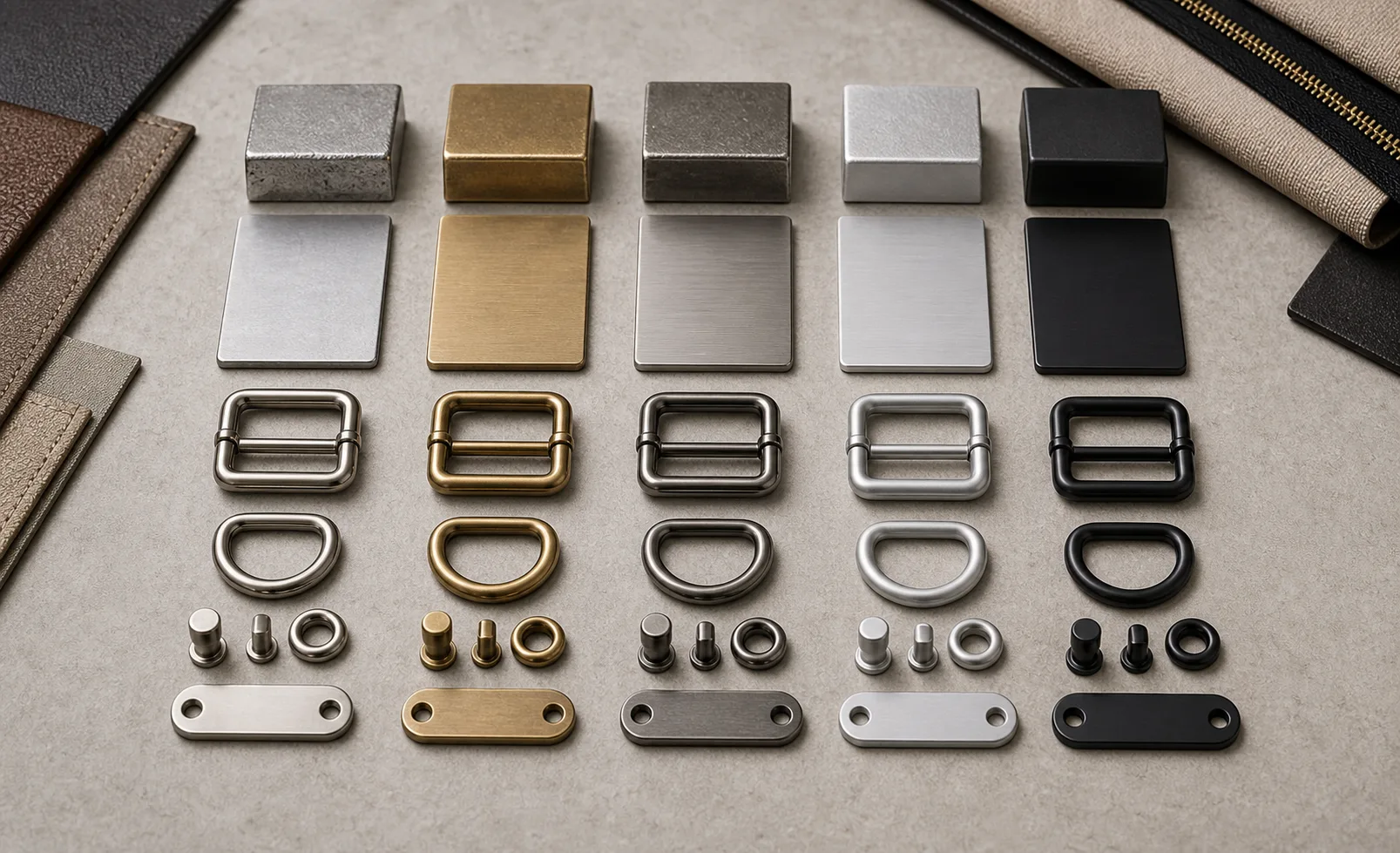
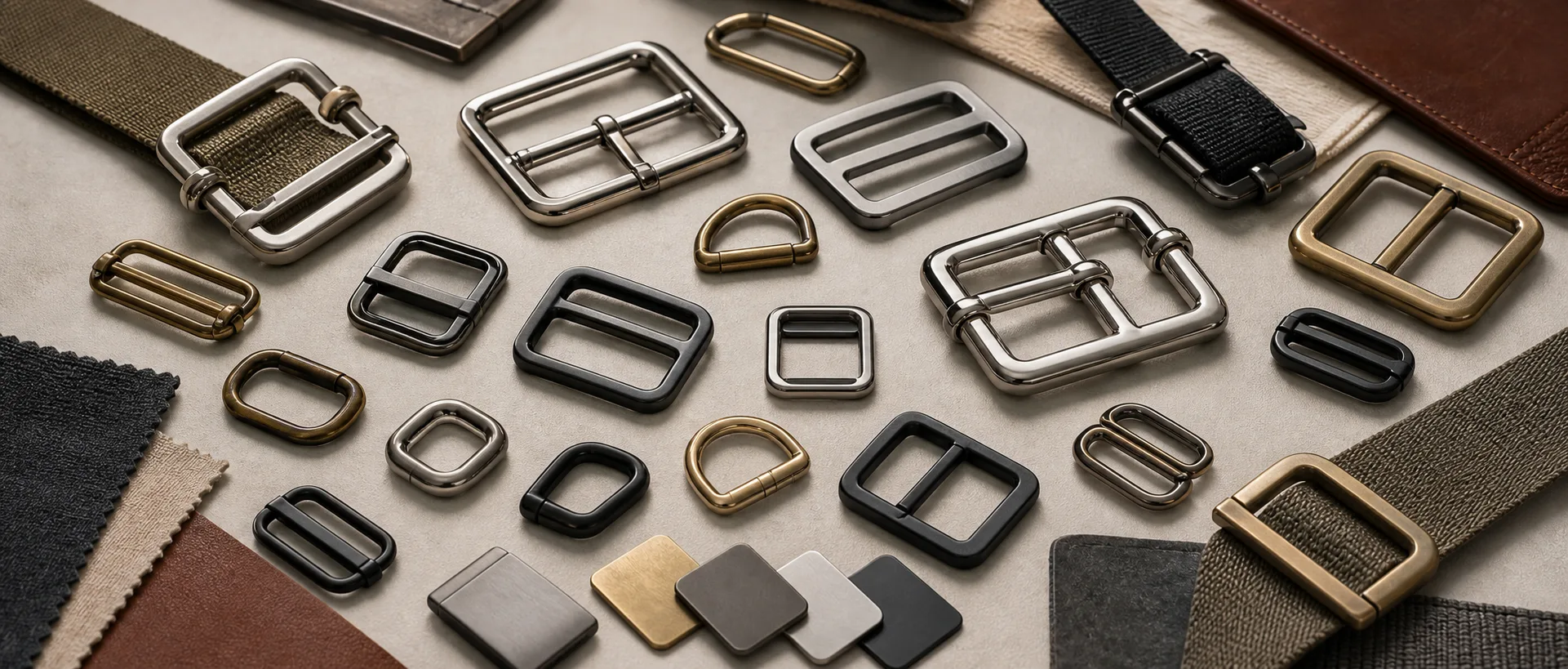
Zinc accepts the standard hardware palette: nickel, gunmetal, brass and gold tones, antique effects, and coated colours. Antique effects in particular rely on relief, which casting provides, so the material and the finish family suit each other.
This guide does not state corrosion or wear figures for zinc alloy with any finish, because those depend on the plating specification, the geometry and the test method. Where performance matters, agree the test and the standard and have it run on your part.
What to send with an inquiry
The part geometry or a reference sample, minimum section thickness under load, whether relief or a logo is formed in, where the parting line may and may not fall, finish direction, expected quantity and repeat pattern, and tooling ownership expectations.
If an existing part is close to what you want, sending it lets the supplier say whether an existing tool can be modified — usually the cheapest route to a bespoke-looking part.
Zinc alloy is the default for shaped hardware because casting and plating suit each other, not because it outperforms every alternative. Design around wall thickness and parting lines, and move to a wrought material when a section must be thin and loaded.
 Buyer Guides
 Material Guides
 Finish Guides
 Quality Guides
 Buyer Guides
 Comparison Guides