
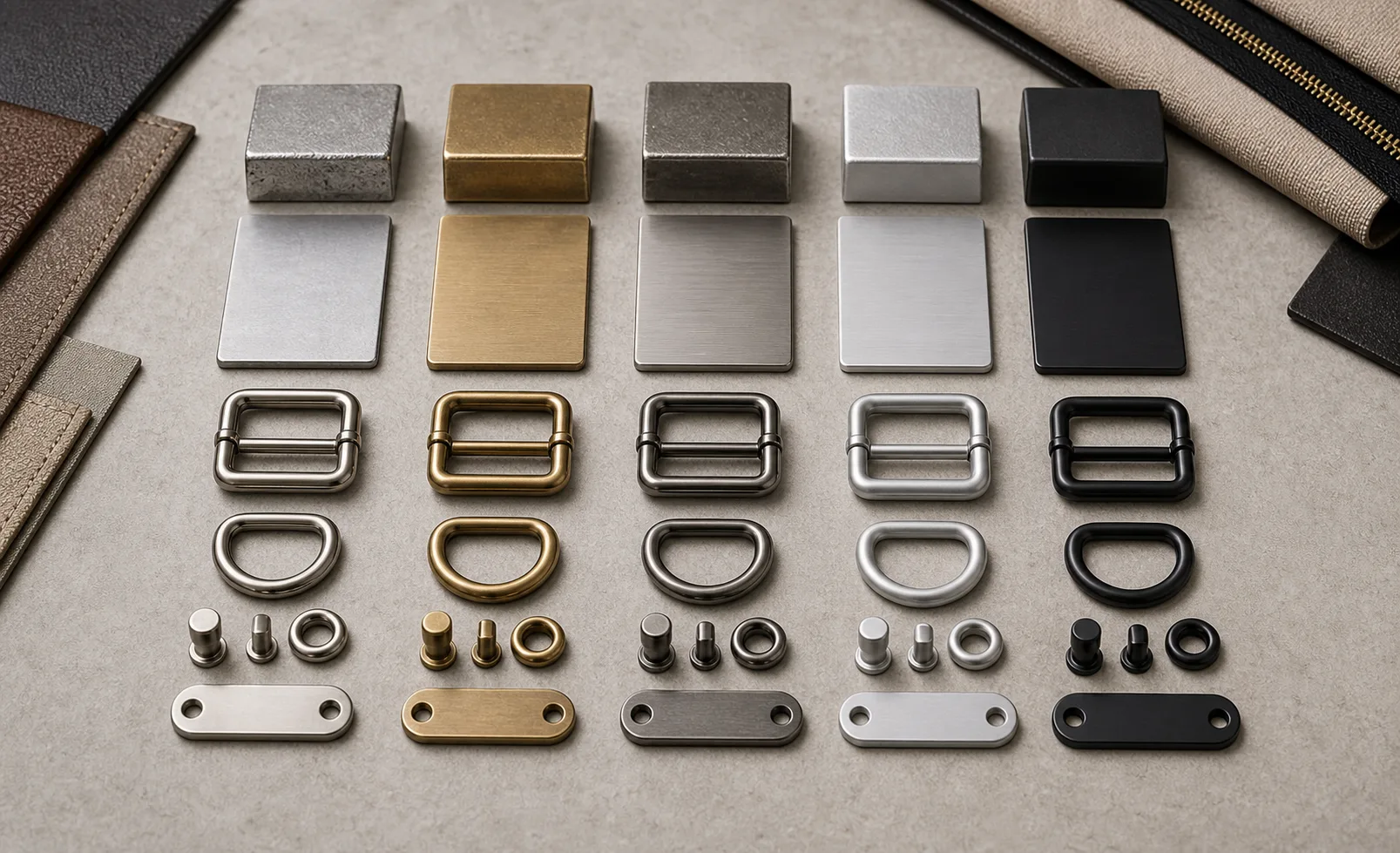
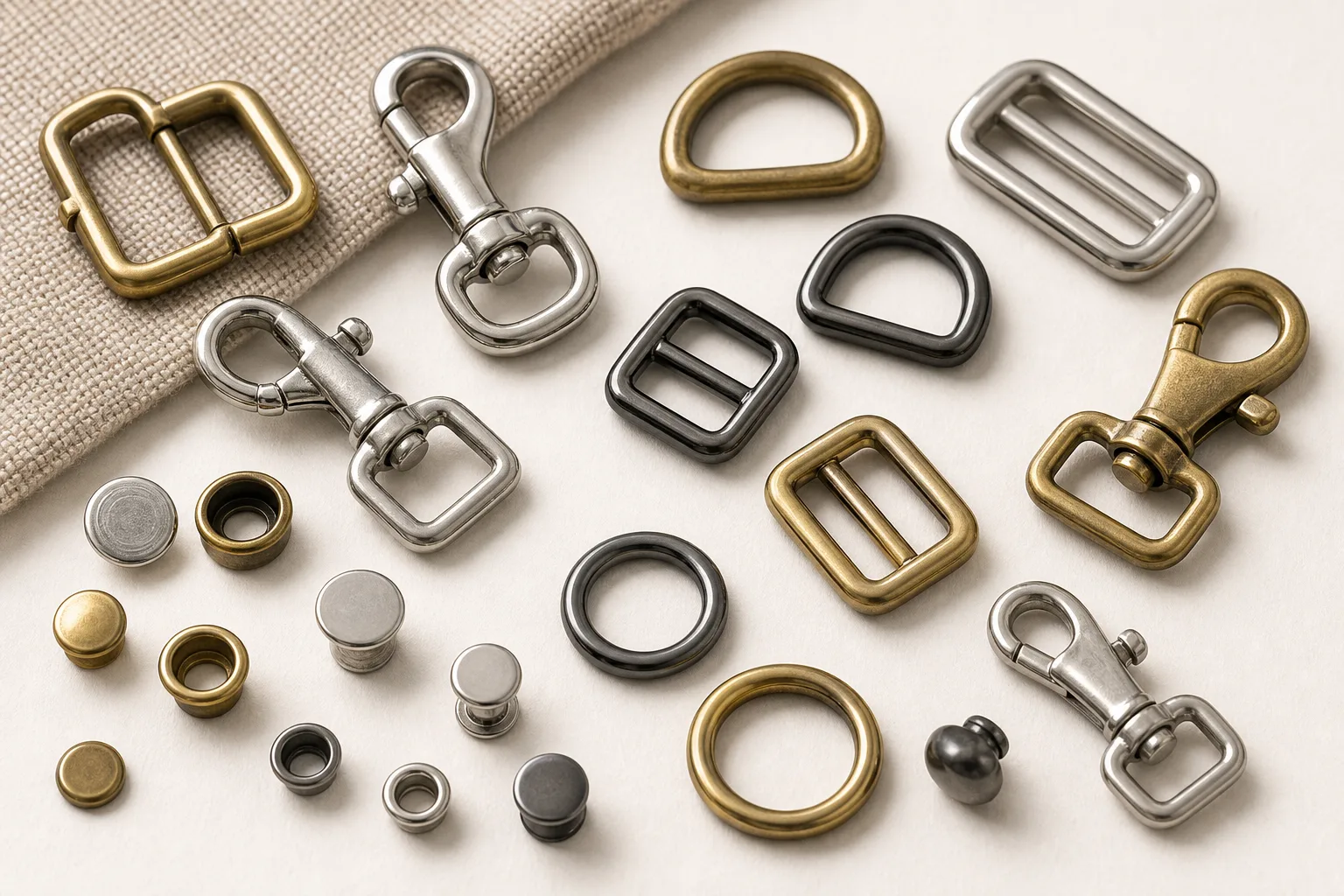
Buyers often approach material choice as a price ladder — plastic cheapest, then iron, then zinc, then brass, then stainless. Real quotations do not behave that way, because changing material usually changes how the part is made and finished. Understanding the components makes it possible to ask questions that actually reduce cost.
What is in a hardware quotation
Raw material, the forming operation, tooling amortised across the run, finishing, any secondary operations such as marking or assembly, inspection, packaging and freight. Each behaves differently as quantity changes.
A quotation that gives only a unit price hides all of this. Asking for tooling separated from piece cost is the single most useful request, because it makes the quantity sensitivity visible.
Forming route usually dominates
A part that must be cast carries tooling cost and low piece cost; a stamped part may have cheaper tooling but a limited shape; a machined part carries time per piece. Moving material often forces a different route, and that shift usually outweighs the raw material difference.
This is why a straight material swap request frequently comes back with an unexpected price. Ask what route the supplier assumes for each option so the comparison is like for like.
Finishing is a real line, not a rounding
Plating cost depends on surface area, rack density and the number of layers. Antique effects add steps. Coating adds masking where colour is partial. On a small part with a complex finish, finishing can be a significant share of the total.
A cheaper base material with an expensive finish is not necessarily cheaper overall, which is another reason material-only comparisons mislead.
Quantity and repeat pattern
Tooling amortises over what is actually ordered, not over what was forecast. A part quoted assuming a large run and then ordered in small batches carries a different real cost.
Be explicit about first order quantity and expected repeats. Suppliers price differently when they know a tool will see repeat business, and an honest forecast is worth more than an optimistic one that changes the second quotation.
Where costs hide
Secondary operations that were not mentioned: marking, assembly of multi-part items, special packing, sorting. Inspection level, if a tighter standard is expected. Freight, where a dense metal part costs more to ship than a light plastic one at the same piece price.
Ask what is included and what would be extra. Most surprises at invoice stage are items that were never in the quotation rather than price increases.
How to ask for a comparable quotation
Send the same geometry, quantity, finish intent and packing requirement for every option. Ask for tooling and piece cost separately, ask which forming route is assumed, and ask what is excluded.
This guide does not give prices, ranges or ratios for any material, because they depend on part, quantity, finish and market conditions. What it can offer is a request format that makes quotations comparable.
Material price is a minority of hardware cost. Forming route, tooling, finishing and real quantity usually decide more, and a material change tends to move all of them at once. Ask for tooling separated from piece cost and for the assumed forming route on every option.
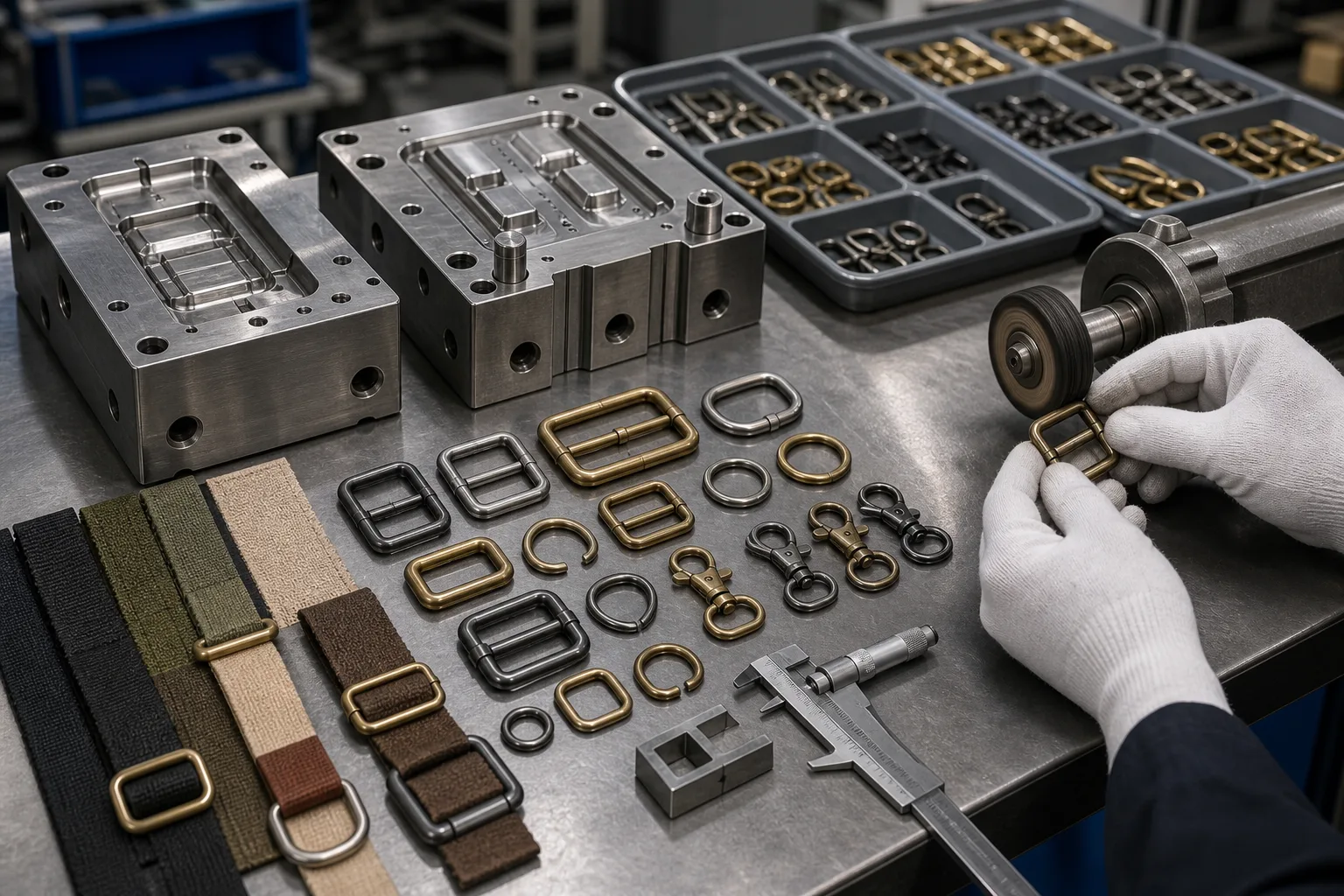 Material Guides
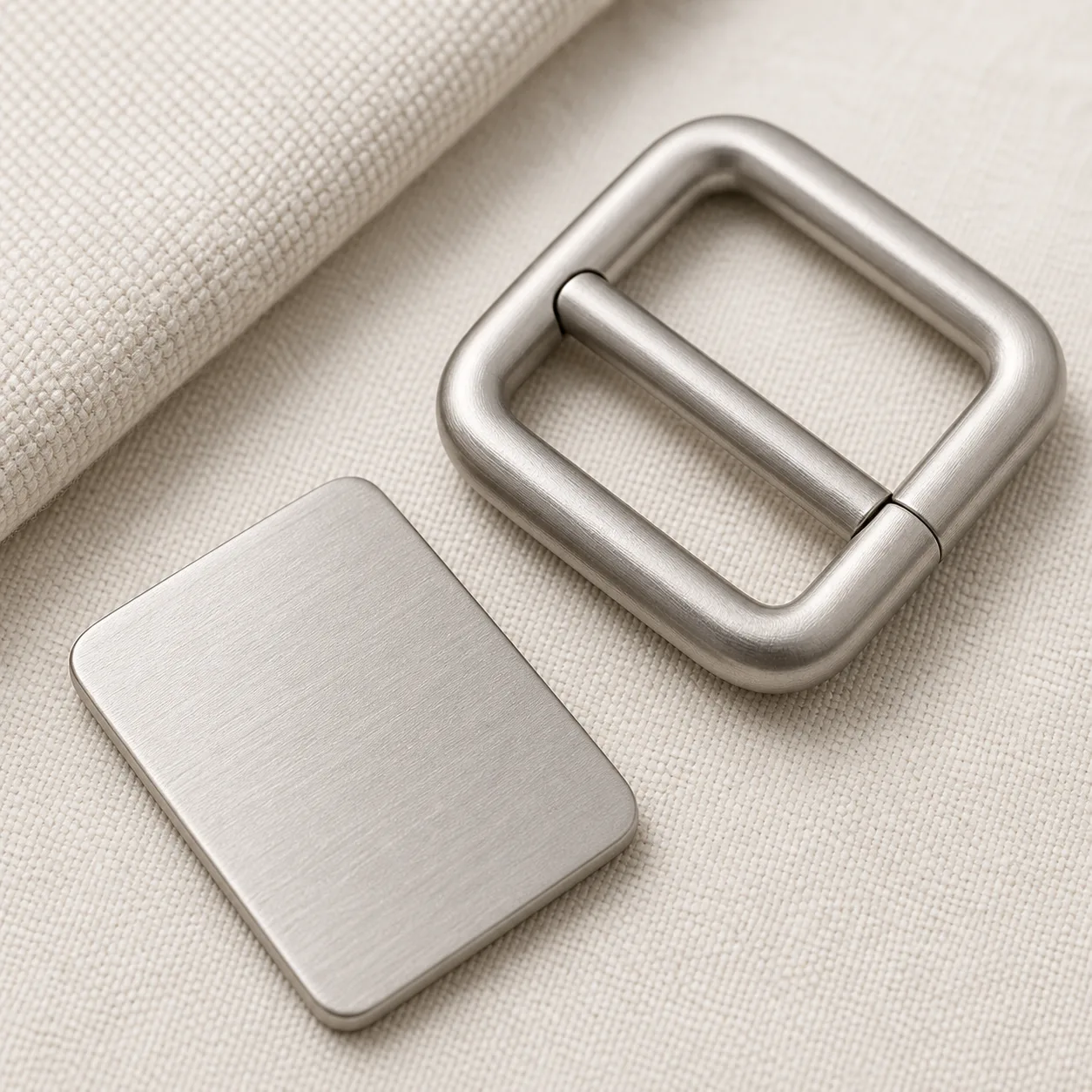 Finish Guides
 Buyer Guides
 Material Guides
 Finish Guides
 Comparison Guides