
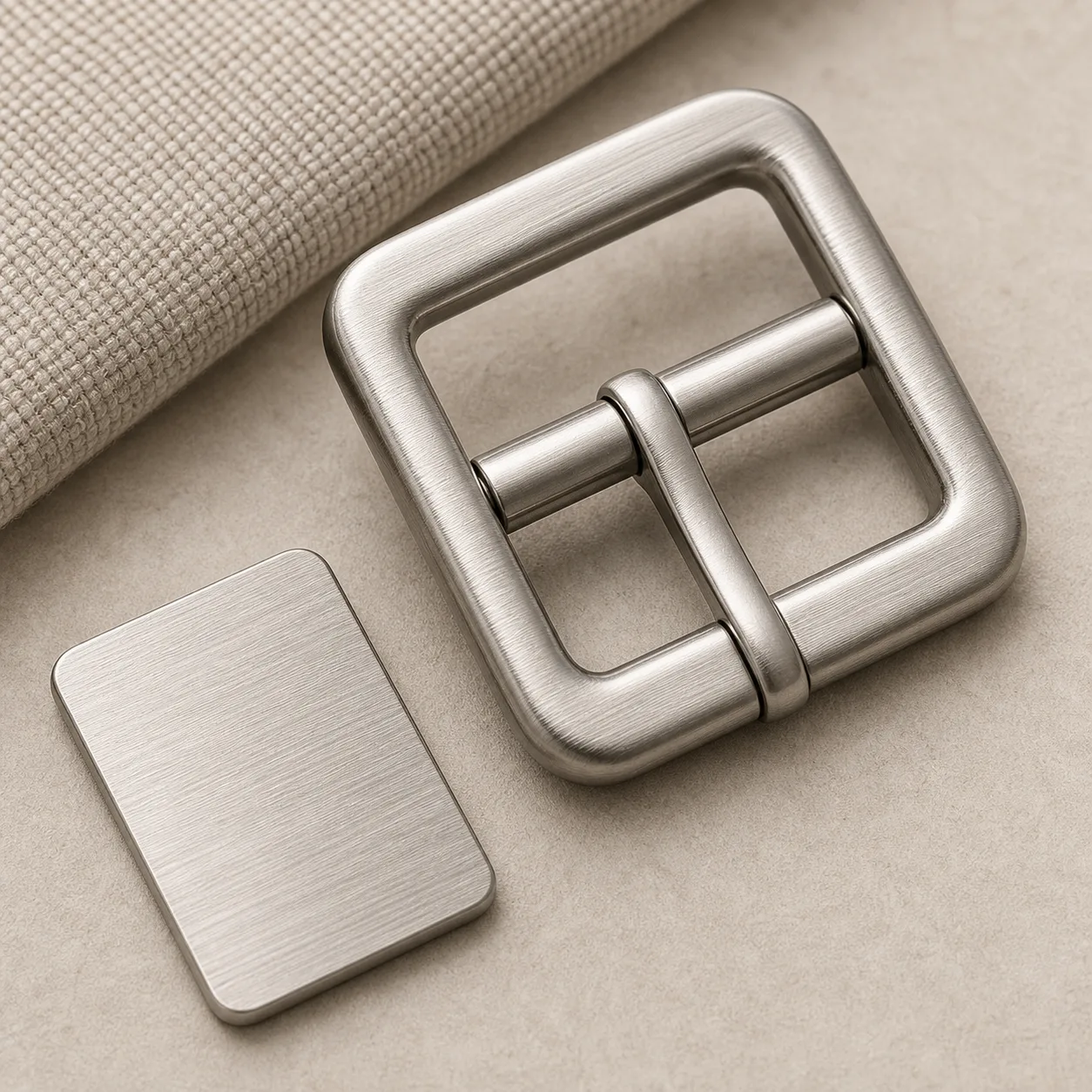
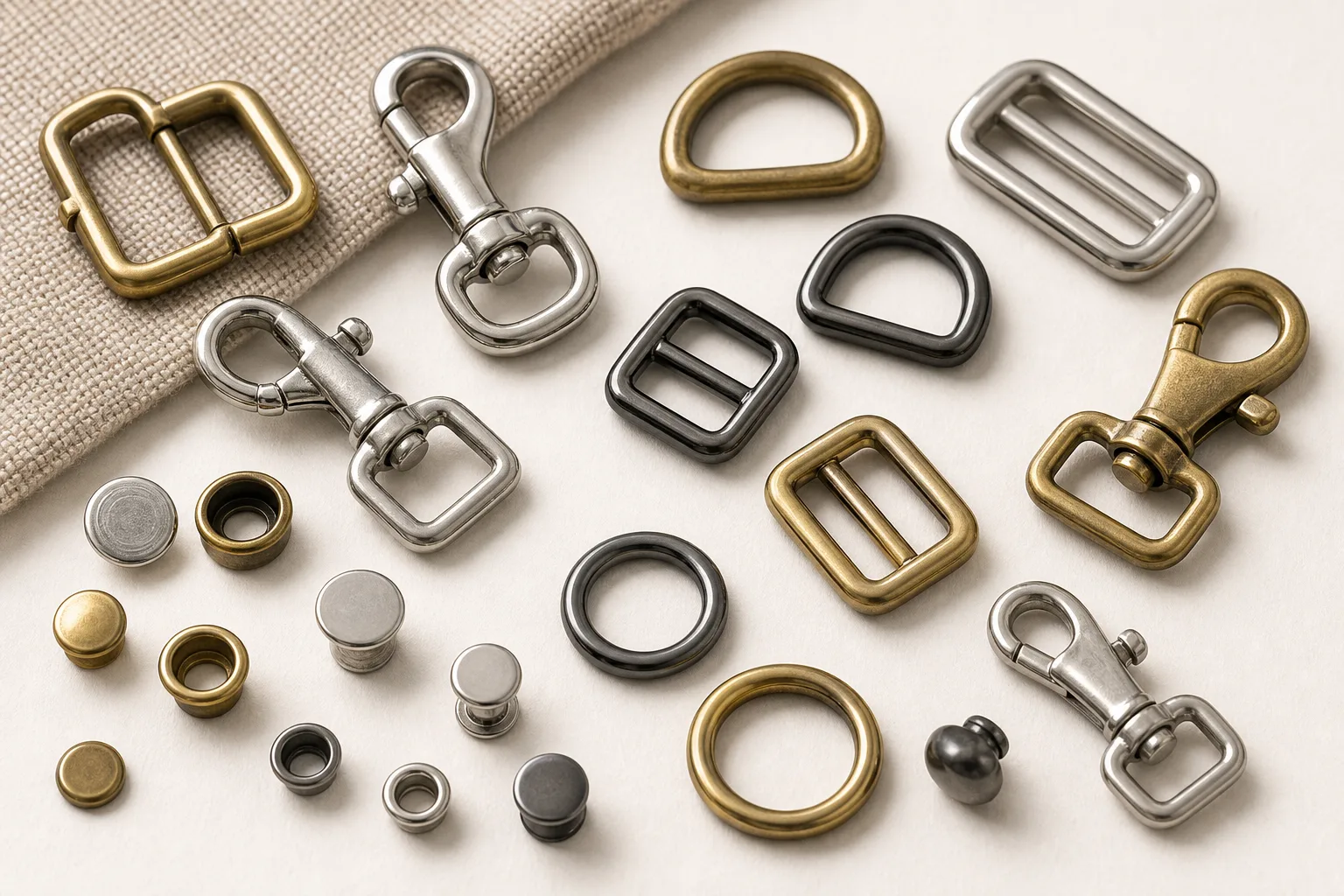
These two words are used loosely and often swapped, which produces samples that are technically as described and visually not what was wanted. The distinction is simple once stated: one is about texture and direction, the other is about gloss level. Getting it right in the inquiry costs one sentence.
Grain versus gloss
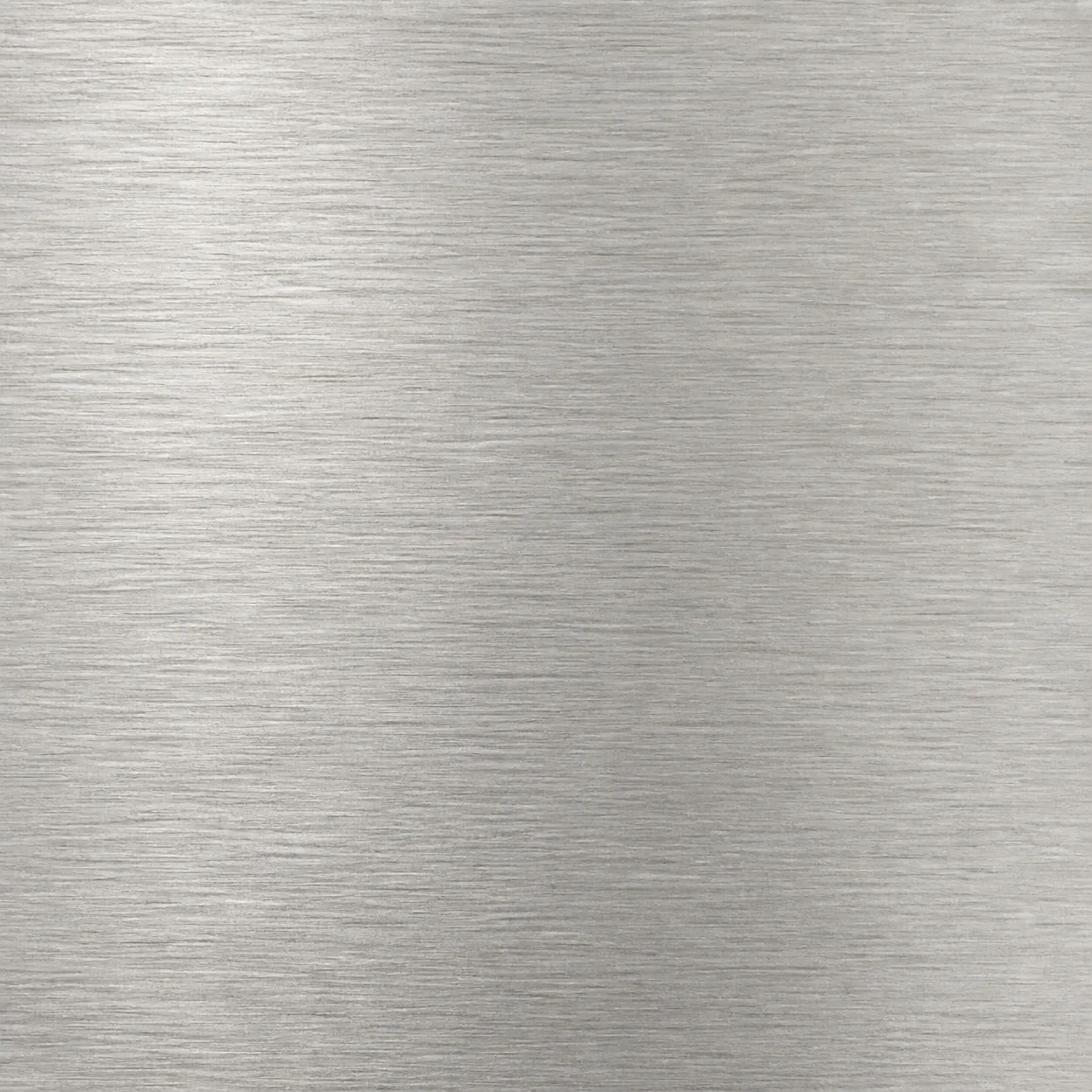
Brushing abrades the surface with an abrasive belt, wheel or brush, leaving fine parallel lines. Those lines are visible, they catch light along their direction, and the surface looks different depending on the viewing angle relative to the grain.
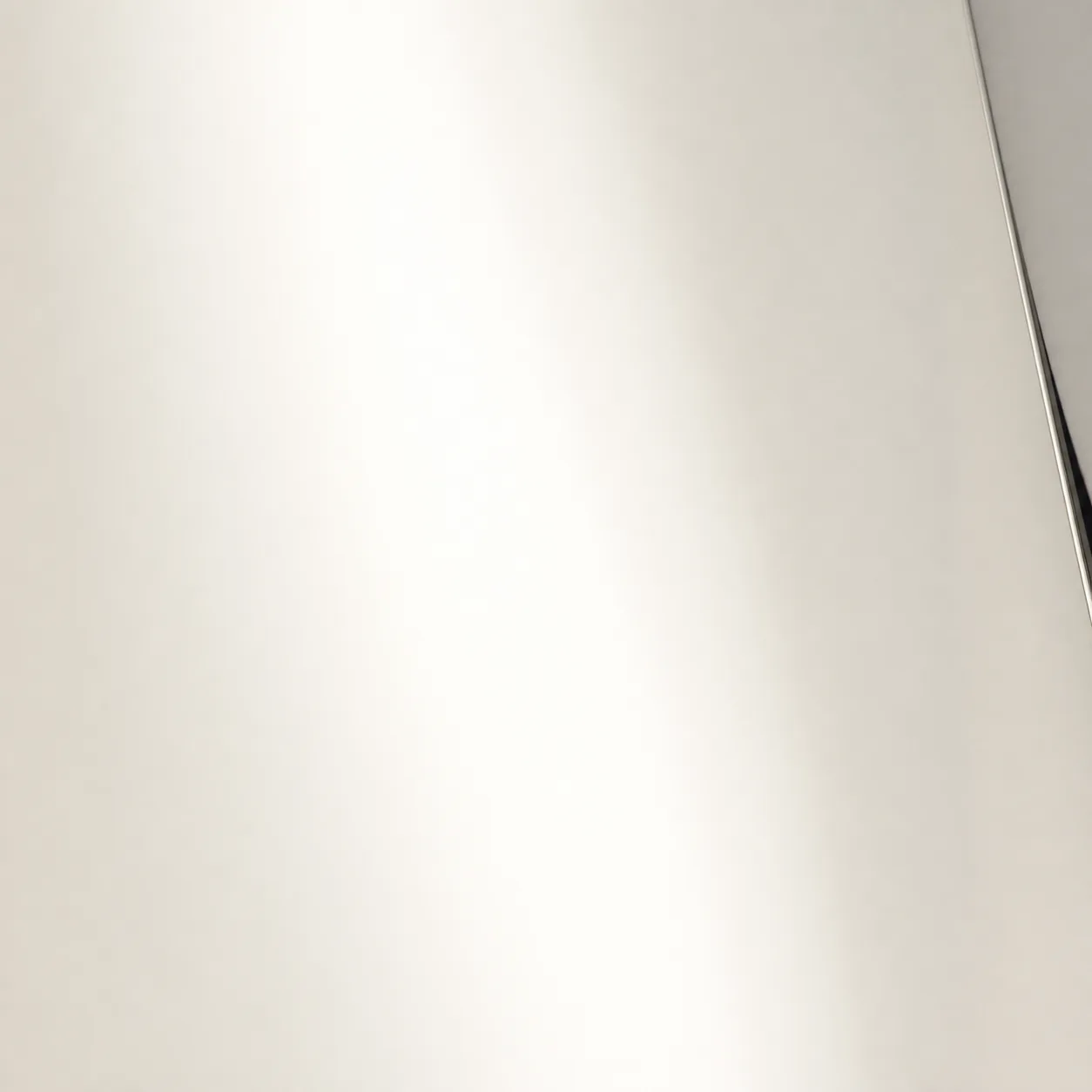
Satin describes how much light the surface scatters, without implying any direction. A satin nickel surface looks evenly soft from any angle. That is the whole difference, and it is why a satin sample and a brushed sample of the same nominal colour can look quite unlike each other.
Direction has to be specified
If a part is brushed, the grain runs somewhere, and on a shaped part that direction is a design decision. Grain running along the length of a buckle reads differently from grain running across it, and on a set of parts, grain running in inconsistent directions looks like a defect.
State the grain direction relative to the part, and if the set has several parts, state whether the grain should align across them when assembled on the product. Suppliers cannot infer this from a colour name.
How each behaves with handling
A brushed surface hides light scratches reasonably well when they run with the grain, and shows them when they run across it. A satin surface has no direction, so handling marks read the same from any angle, which can look more uniform or more obviously marked depending on the product.
Fingerprints behave differently too: a brushed surface tends to break them up along the grain, an even satin surface shows them as patches. On hardware that is handled constantly this is worth a moment of thought.
Geometry and where brushing can reach
Brushing is a mechanical operation, so it reaches what the tool can reach. Flat and gently curved surfaces brush cleanly; deep recesses, tight internal corners and undercuts do not. On a sculpted cast part, a brushed finish may be possible only on the prominent faces.
Satin, being a chemical or plating characteristic, follows the geometry more evenly. If the part has complex form and needs a uniform low-gloss look throughout, satin is usually the more practical route.
Matching across a set
Brushed parts made in different constructions may brush differently: a stamped flat plate and a cast shaped buckle take grain differently even under the same process. Satin is generally easier to match across substrates for the same reason it reaches complex geometry more evenly.
As always, approve the whole set together under the intended lighting and state that batch matching is against that approved set rather than against a name.
How to write the specification
Say brushed with directional grain or satin without grain, state the grain direction if brushed, state the gloss level target by physical sample, and note which parts must match one another when assembled. Include the geometry of each part so the supplier can flag where brushing cannot reach.
This guide does not state gloss units or roughness values, because those depend on the process and the measurement method; a physical approval sample is the practical reference for both finishes.
Brushed means a directional grain; satin means a low-gloss level without one. Brushing needs a stated direction and cannot reach deep geometry; satin follows form more evenly and matches across substrates more easily. One sentence in the inquiry prevents the wrong sample.
 Finish Guides
 Finish Guides
 Finish Guides
 Finish Guides
 Finish Guides
 Quality Guides