
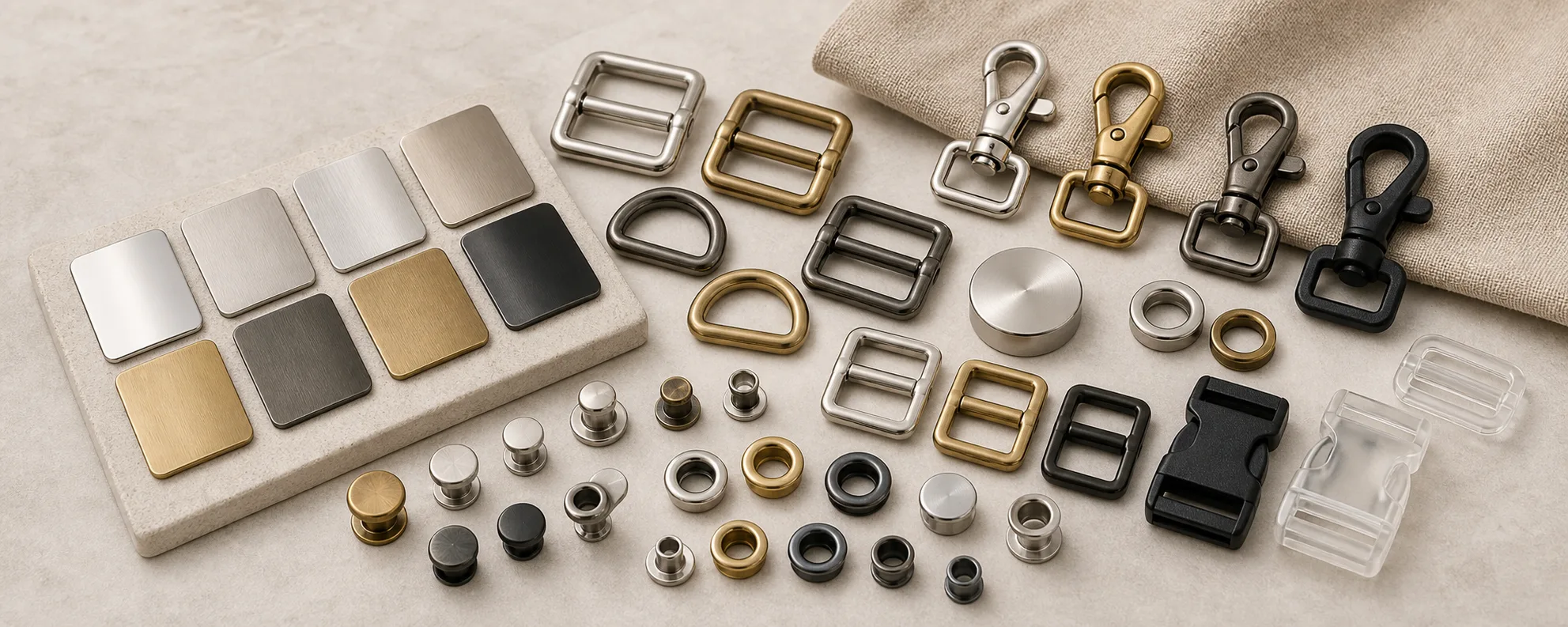
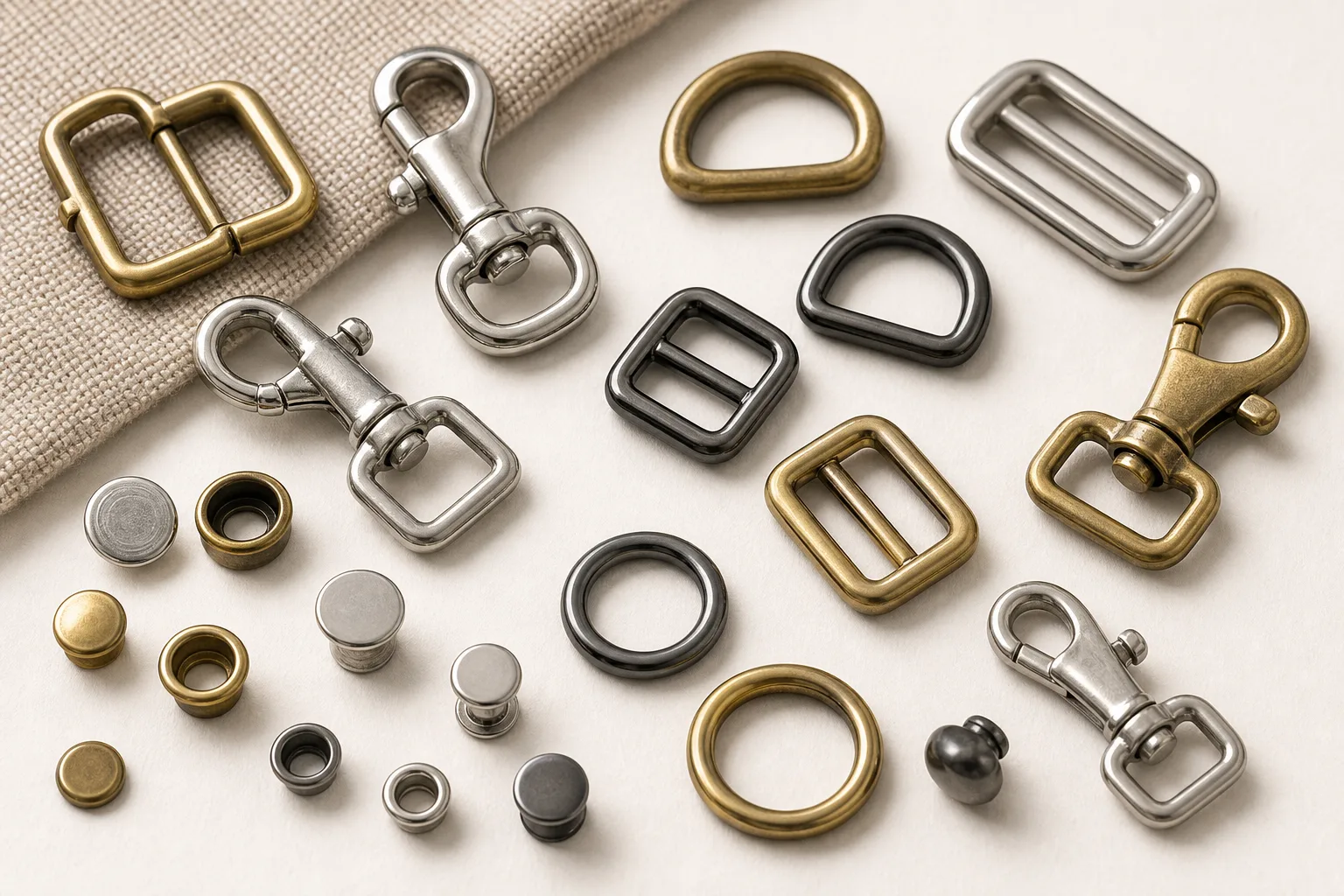
This comparison comes up when a design has both aluminum and zinc parts, or when someone is deciding whether to switch a part. It is worth treating as a comparison of two systems — material plus finish — because you cannot mix and match: anodizing needs aluminum, and plated tones sit on zinc.
Converted surface versus added layer
Anodizing grows an oxide layer out of the aluminum itself. Because it is part of the metal rather than sitting on it, it does not peel or flake in the way an added layer can, and the surface texture of the metal usually remains visible through it.
Plating deposits a different metal on top of zinc alloy. It can be built in layers, tuned for tone, and made thicker where needed, but it remains a separate layer with an interface that can be compromised.
How each ages at edges
Anodized parts wear at high-contact edges, where the thin oxide is abraded and bright aluminum shows through. The result is a bright line rather than a flaked patch.
Plated zinc parts also wear at edges, but what shows through is the zinc substrate, which is a different tone again. Both are visible; which reads as more acceptable depends on the design and on whether the product is meant to look new or used.
Colour: dyed oxide versus plated tone
Anodized colour comes from dye absorbed into the porous oxide before it is sealed. The palette is broad but the result always has the aluminum surface visible underneath, giving a characteristic slightly translucent quality.
Plated colour is the tone of the deposited metal or of a coloured post-treatment. It reads as solid metal rather than as dyed metal. This is why an anodized black and a plated black hardware part do not match, and why a mixed set needs a deliberate decision rather than a colour name.
Mixed sets and the matching problem
If a product has an aluminum part and a zinc part next to each other, they will not match by specifying the same colour, because the finishing systems are different. The realistic options are to accept a deliberate contrast, to move both parts to one material, or to choose colours where the difference is least visible.
Deciding this early is much cheaper than discovering it at sample stage, when tooling for one of the parts already exists.
What each system is good at
Anodized aluminum suits light parts, extruded or machined shapes, technical products and designs that want a metal-textured surface. Plated zinc suits sculpted, cast, logo-bearing parts and the full range of traditional hardware tones including antique effects.
Neither can easily do the other job. An antique effect on anodized aluminum is not a normal offering; a very light sculpted part in zinc will still be heavier than the aluminum equivalent.
What to specify
Which material each part is, the intended colour with a physical reference, whether any parts sit adjacent and must appear to match, weight constraints, expected edge abrasion, and part geometry. For anodized parts, state the colour and finish level; for plated parts, state the tone and any antique effect.
This guide does not state coating thickness, hardness or corrosion figures for either system, because those depend on the process specification and the test. If the product is used outdoors or handled heavily, agree what is tested and against which standard.
These are two systems, not two finishes. Anodizing is integral to aluminum and wears to bright metal at edges; plating is an added layer on zinc with a wider traditional palette. They cannot be matched to each other, so a mixed set needs that decided early.

 Comparison Guides
 Material Guides
 Finish Guides
 Comparison Guides
 Comparison Guides
 Application Guides