

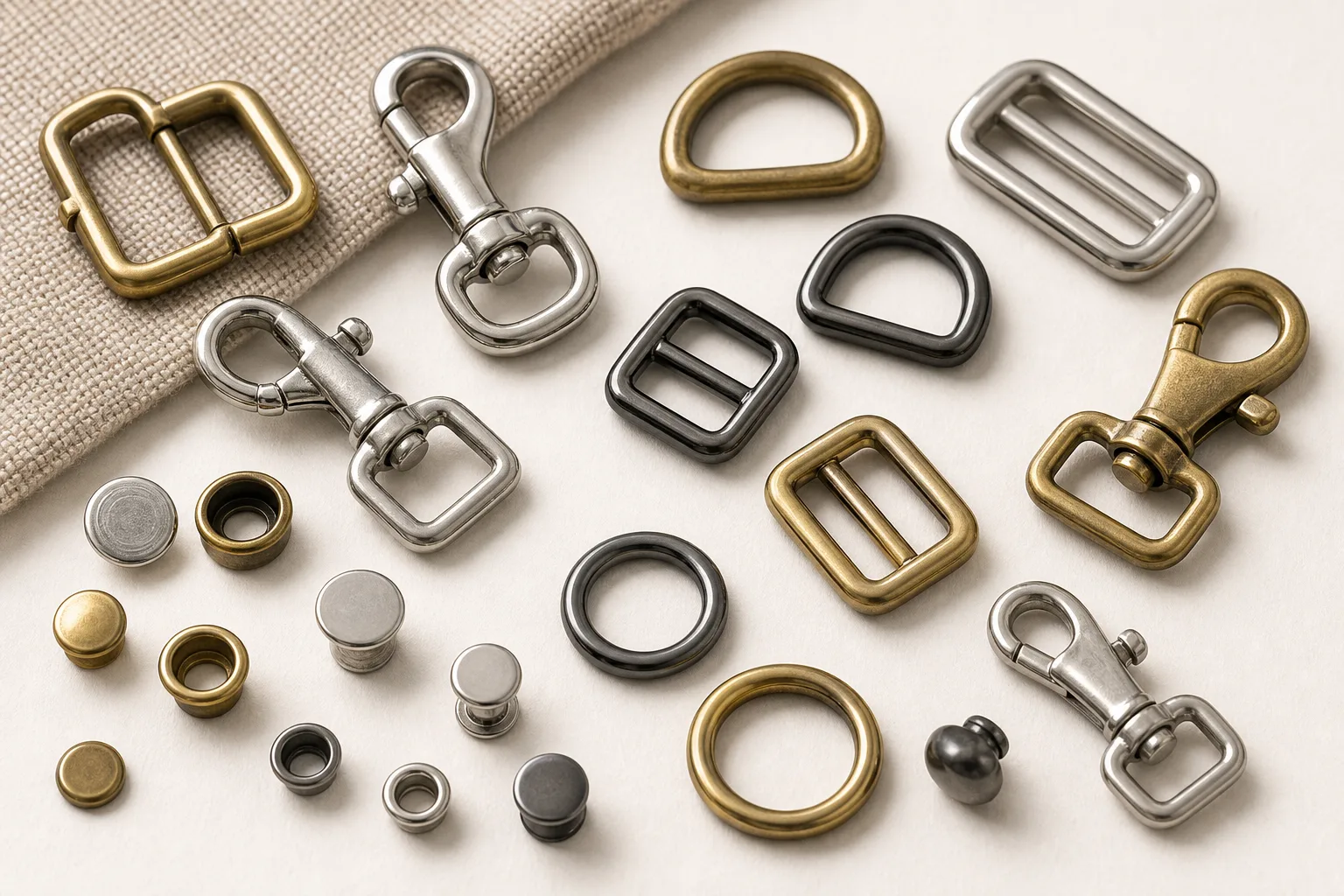
Anodizing only applies to aluminum, which means the finish decision and the material decision are the same decision. That is the first thing to understand about it; the second is that the resulting surface behaves unlike any plated finish, so it cannot be matched to one.
A converted surface, not an added layer
In anodizing, the aluminum surface is electrochemically converted into a porous oxide. Dye is absorbed into those pores, and a sealing step closes them. The result is part of the metal, which is why it cannot flake away the way a coating can.
Because the layer is thin and follows the surface exactly, the underlying finish shows through. A machined part with visible tool marks stays visible after anodizing; a bead-blasted part keeps that texture. Surface preparation is part of the appearance specification.
Colour comes from dye
Anodized colour is dye in a porous oxide, so it has a characteristic slightly translucent quality with the metal texture visible through it. That is distinct from the solid look of a plated tone.
The palette is broad, but colours are matched by physical sample. Approving against a printed reference or a screen does not work for this finish family.
Sealing, and why it matters
After dyeing, the pores are sealed. Sealing quality affects how well the colour holds and how the surface resists marking. It is a process step that a buyer does not see and cannot judge from a sample photograph.
Ask what sealing method is used and whether it is verified. This guide states no fade or corrosion figures, because they depend on the process specification, the alloy and the test method.
Edge wear and how it ages
The anodic layer is thin. On edges that rub — a slider running on webbing, a hook nose, a corner that drags — it can wear through to bright aluminum, giving a bright line rather than a flaked patch.
Whether that reads as acceptable is a design decision. On technical products it often reads as honest wear; on a product meant to look new it does not. Decide deliberately rather than treating it as a defect later.
Why it cannot match plated hardware
A dyed oxide on aluminum and a deposited metal layer on zinc are different surfaces. Specifying the same colour name for both will not make them match, and on a set where the two sit adjacent the difference is visible.
The realistic options are a deliberate contrast, moving all visible parts to one material, or choosing colours where the difference is least noticeable. This has to be decided before tooling, not after.
What to specify
The alloy if known, the surface preparation wanted (machined, brushed, bead-blasted), colour with a physical reference, gloss or texture level, sealing requirement, expected edge abrasion, adjacent parts in other materials, and quantity.
Send a physical reference for the appearance. Between preparation, dye and sealing there are enough variables that a written description will not land the look you want.
Anodizing converts the aluminum surface and dyes it, so the finish is integral but thin, and the surface preparation underneath shows through. It cannot be matched to plated hardware, which makes mixed-material sets a decision to settle early.
 Comparison Guides
 Material Guides
 Comparison Guides
 Finish Guides
 Application Guides
 Finish Guides