

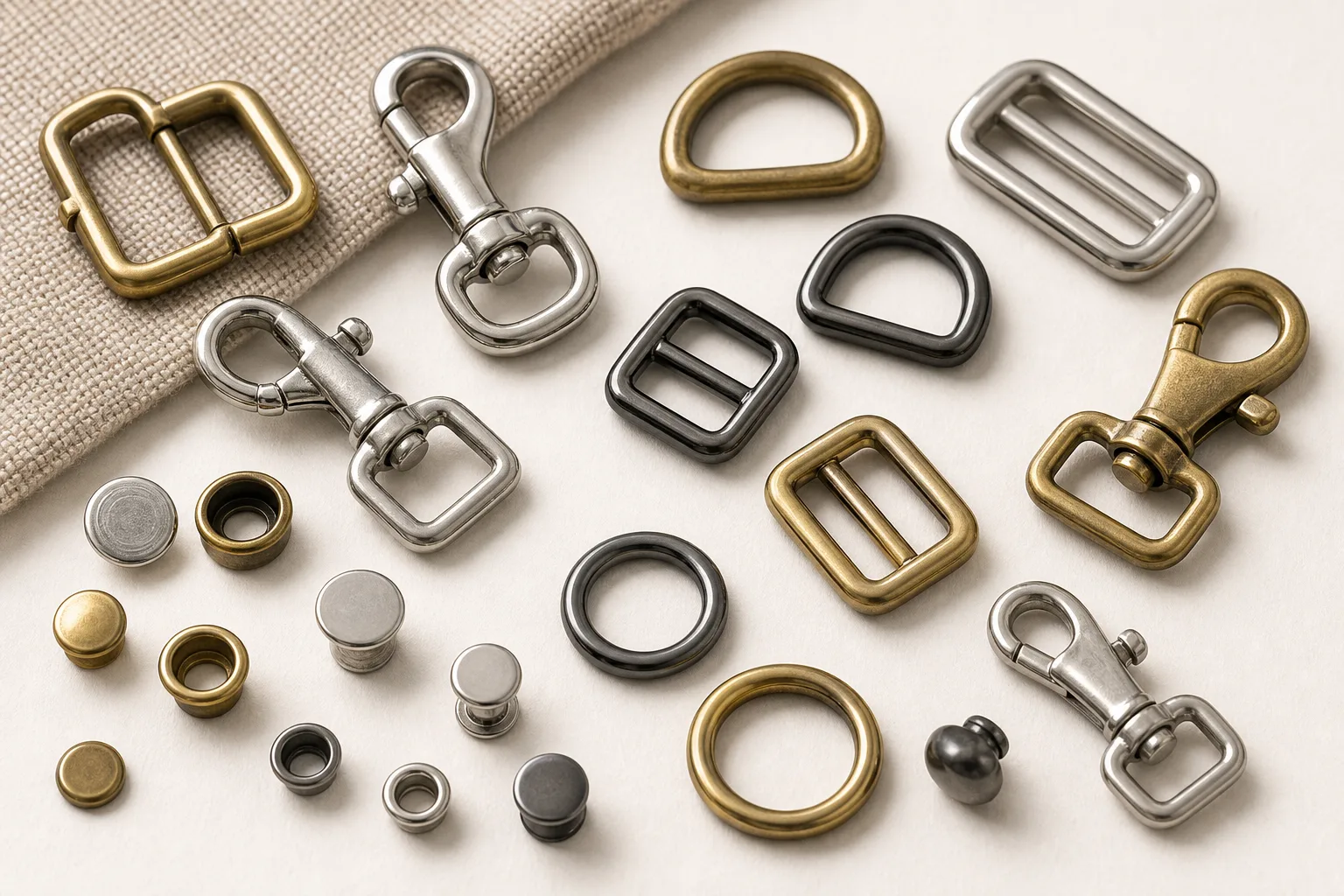
Curtain hardware differs from bag or garment hardware in one important way: every part carries the weight of a whole panel, continuously, for years, and the result is judged on how the fabric hangs rather than on the part itself. Spacing turns out to matter as much as the parts, which is not obvious from a component drawing.
Eyelet size sets the pole, spacing sets the fold
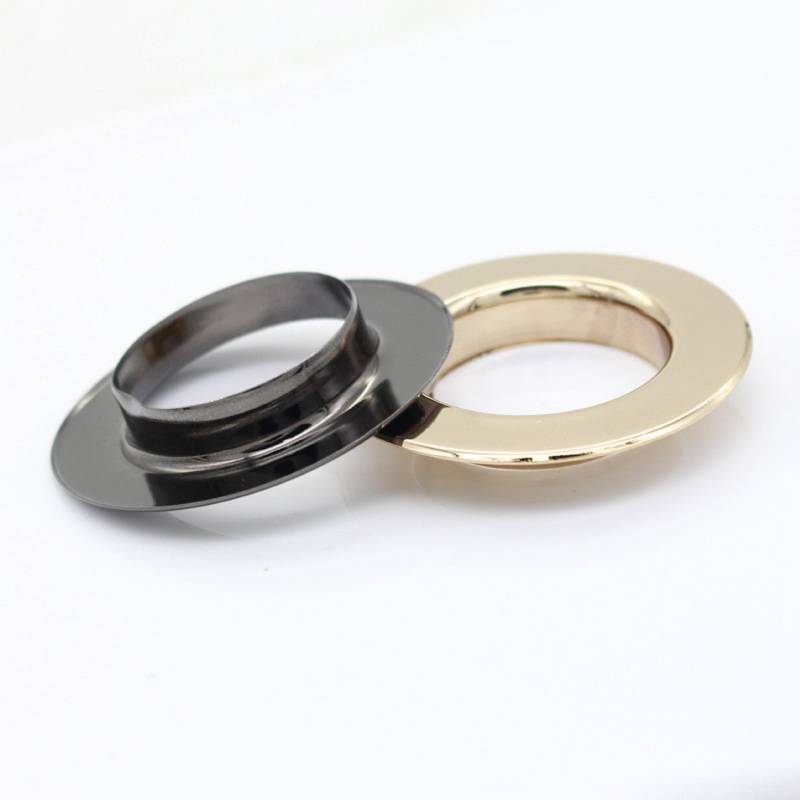
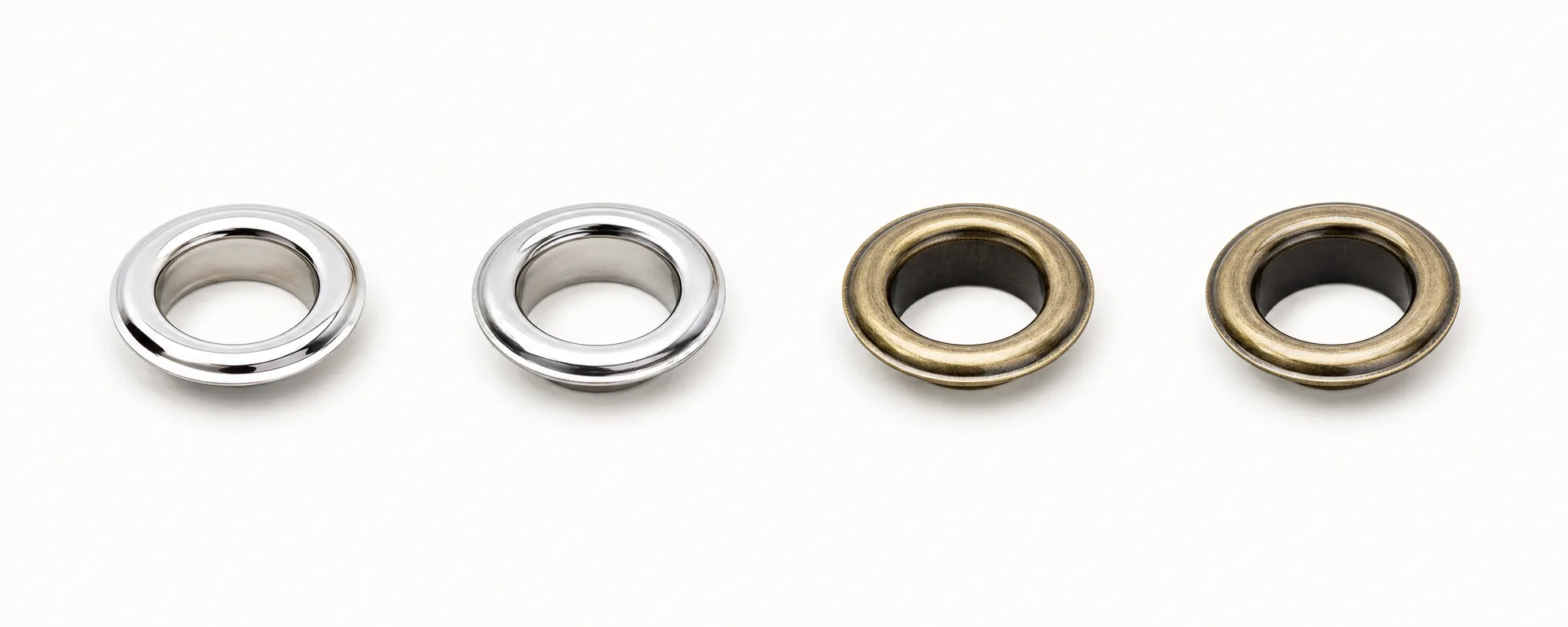
The inner diameter of a curtain eyelet has to clear the pole with room to slide, so it is chosen against pole diameter rather than against the fabric. Too tight and the curtain drags when drawn; too loose and the panel slumps between eyelets.
Spacing does something different: it sets the depth and regularity of the fold. Even spacing across the heading produces even waves; the spacing interval, together with the fullness ratio of fabric to finished width, determines how deep each wave is. This is a design decision, and it should be stated in the specification rather than left to whoever makes the heading.
The heading is a thick stack
A curtain heading is not a single layer. It is normally the face fabric, a lining, sometimes an interlining, and a stiffening buckram tape, all folded. That stack is thicker than most eyelet applications and it is the reason barrel length has to be quoted against a made-up heading rather than against the fabric weight.
The stack also affects how the eyelet sets. A heading with a hard buckram tape behaves differently under the press from a soft one, and the tape position relative to the eyelet matters. Send a made-up heading sample rather than a fabric swatch.
Rings, hooks and track systems
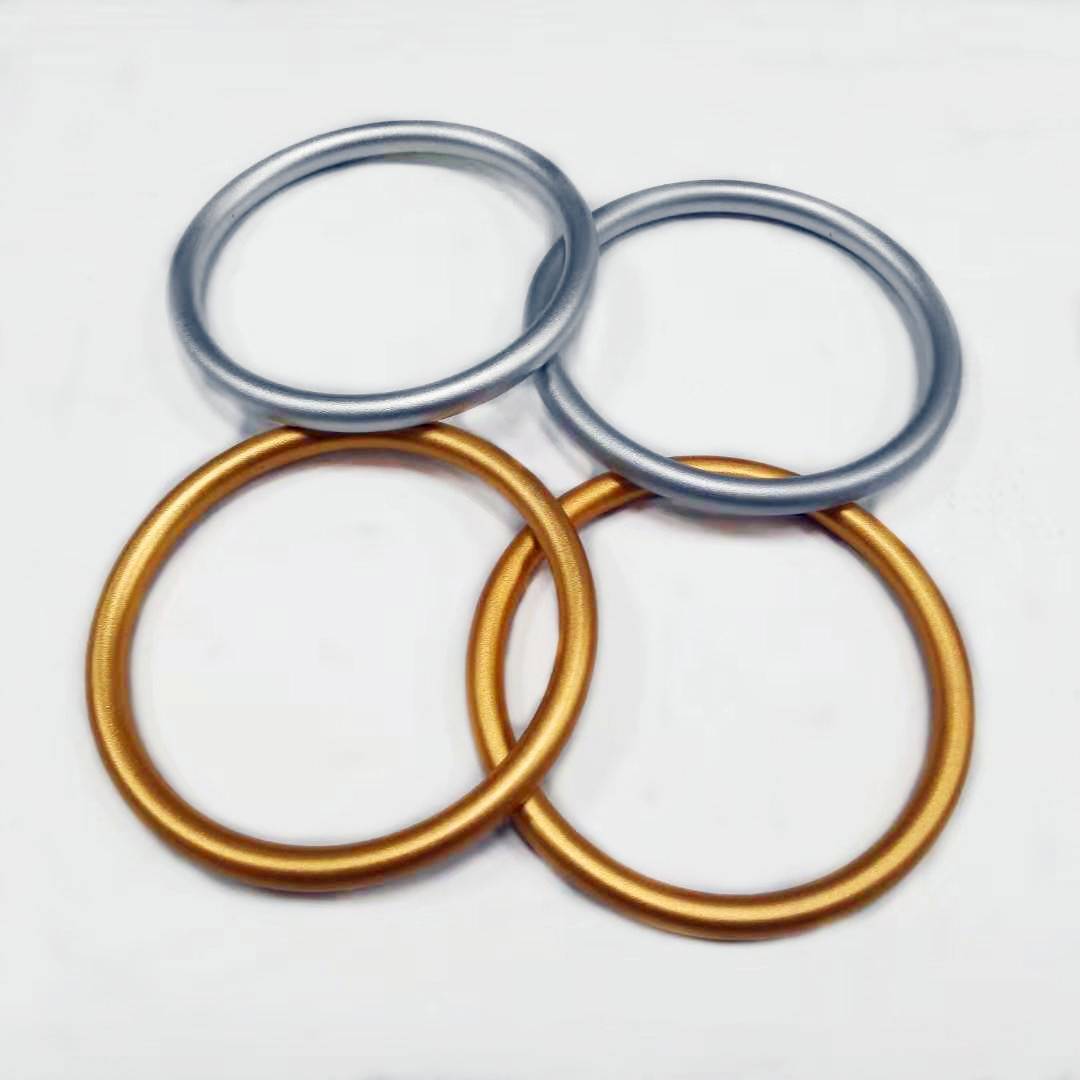
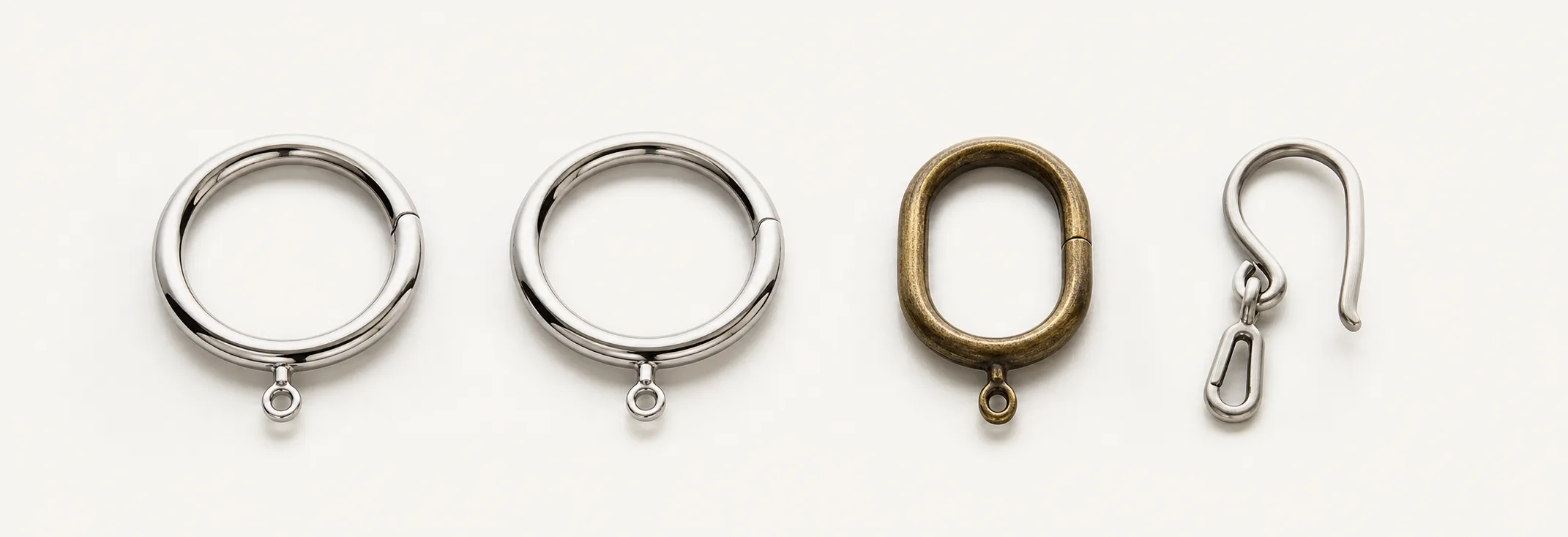
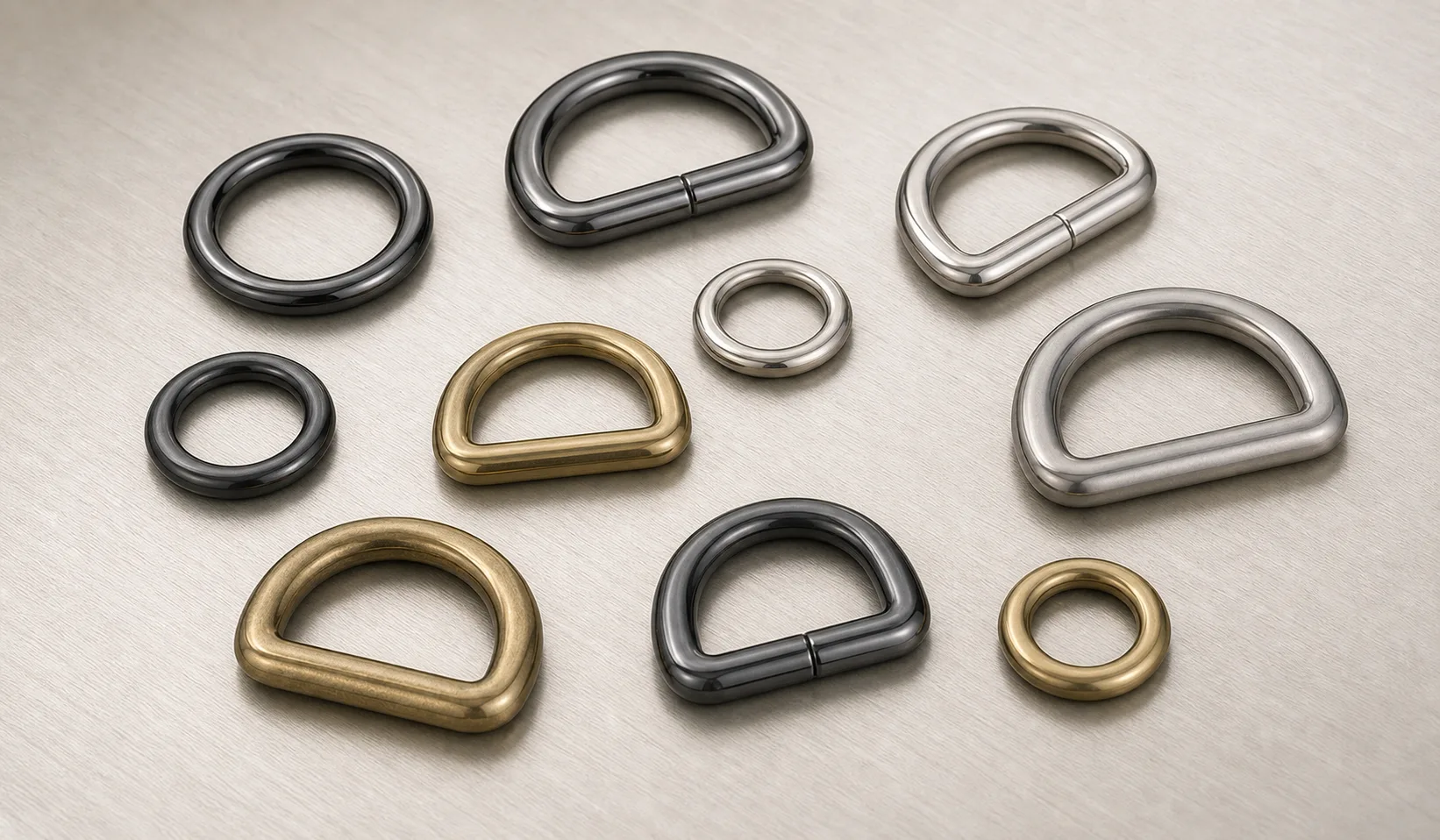
Where the panel hangs from rings rather than eyelets, the ring carries the load and a hook or clip joins it to the heading tape. This gives more adjustment and suits heavier or more formal panels, and the parts have to suit both the pole and the tape.
Track systems substitute gliders running in a channel for rings on a pole. The hardware conversation then shifts to what fits the specific track profile, which is a compatibility question rather than a general specification — confirm the track type before quoting parts.
Weight, and what it does over time
A curtain panel is heavy, and it hangs under that load continuously. Over years, a heading that was marginal will show it: eyelets pulling oval, fabric fraying at the hole edge, rings distorting. Long, floor-length panels in heavy fabric are where this shows first.
The workable response is not usually a stronger part but a better heading: adequate buckram, correct spacing so no single eyelet carries too much, and enough turn-back at the top. Suppliers can advise on eyelet size and spacing for a given panel weight if they are told the panel dimensions and the fabric.
Finish in domestic light
Curtain hardware is seen at close range, in daylight and in warm artificial light, against a large area of fabric. Finishes that read as neutral in a lightbox can look distinctly warm or cold in a room, and a whole heading of eyelets makes any drift obvious.
Approve samples against the actual fabric, in the light the product will live in, and approve the full set of parts for a panel together rather than one eyelet at a time.
What to specify
Pole or track type and diameter, eyelet inner diameter, spacing interval and total count per panel, panel finished width and drop, fabric and full heading stack, lining and interlining, ring or hook type where used, finish direction, and quantity per panel and per order.
A made-up heading sample of the actual construction settles barrel length, set quality and appearance in one object, and is worth more than any written description of the fabric.
Curtain hardware is specified against the pole, the heading stack and the intended fold, not against the fabric alone. Eyelet diameter comes from the pole, barrel length from the made-up heading, and the look of the finished curtain largely from spacing.
 Buyer Guides
 Application Guides
 Comparison Guides
 Buyer Guides
 Buyer Guides
 Buyer Guides