
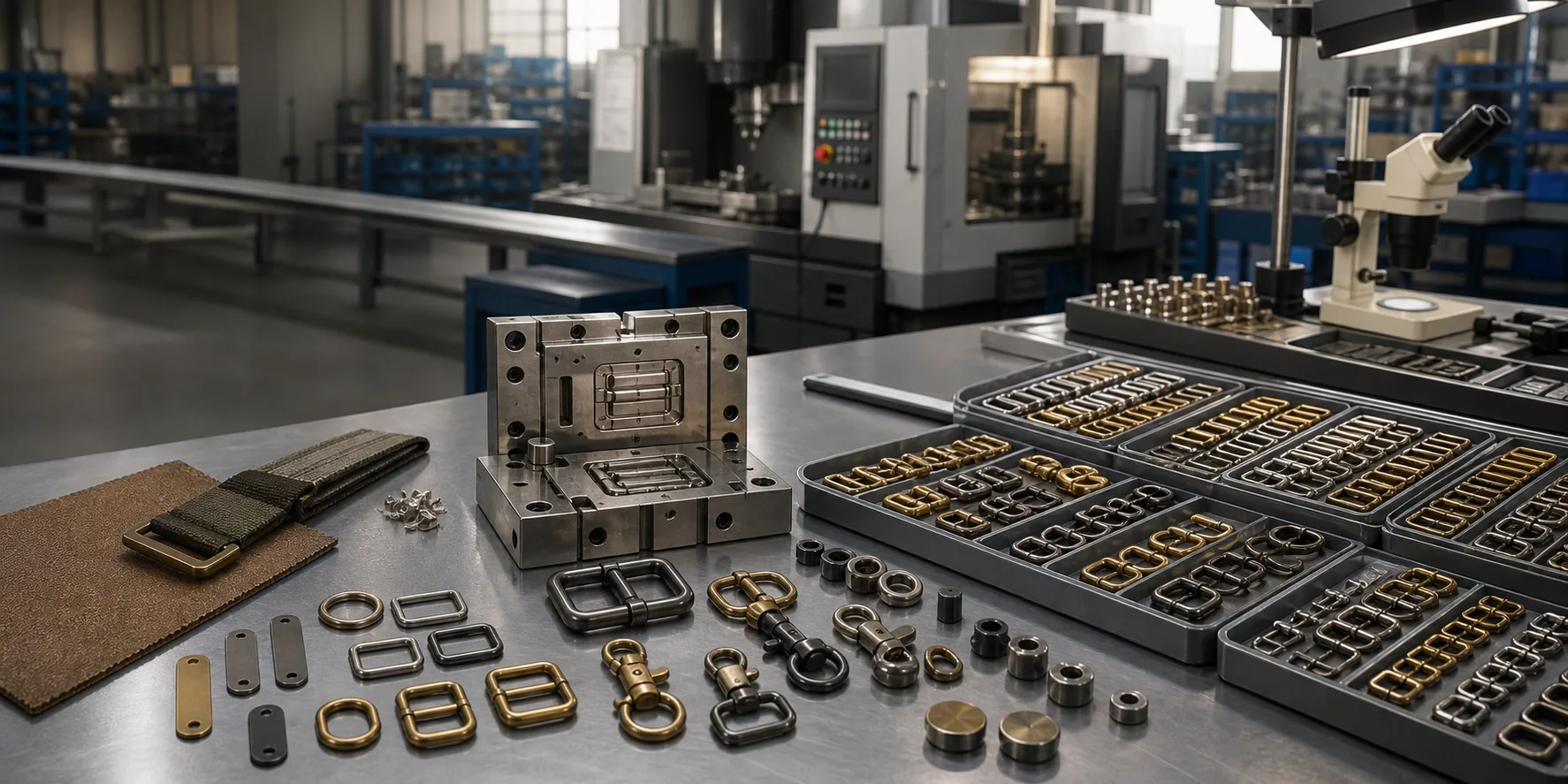
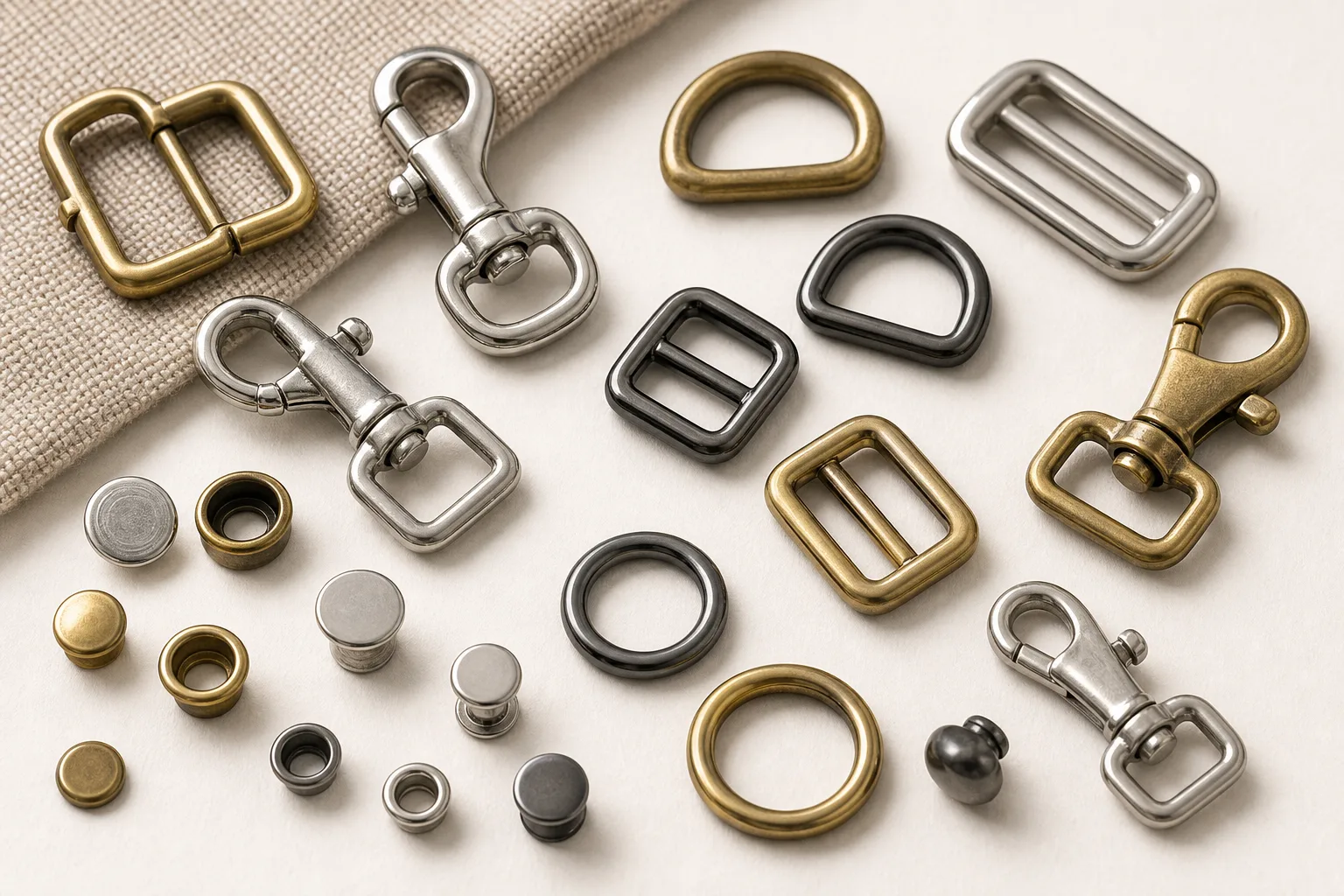
New tooling is the most consequential decision in a hardware project: it carries cost, lead time and the risk of an unproven geometry. It is also frequently commissioned for requirements that a marked standard part would have satisfied.
Three levels of customisation
Level one changes the surface: a logo, a finish, a colour, on an existing body. Level two changes a dimension within an existing design family. Level three is a new shape or function requiring new tooling.
The differences between these in cost, lead time and risk are large and not proportional. Establishing which level you are actually at is the single most useful thing to do early.
What an existing mold gives you
A proven geometry, known behaviour, no tooling cost, and a much shorter path to samples. If a marked standard body meets the brand requirement, this is almost always the right answer.
The constraint is that you take the shape as it is. Where the shape is the point of the product, that constraint is real — but it is worth testing whether the shape is truly the point before paying to change it.
When a modification is enough
Sometimes a single dimension — a slot width, a length, a thickness — needs to change while everything else stays. Depending on the design, this may be achievable by modifying existing tooling rather than starting over.
Ask specifically whether the change you need is a modification or a new tool. The answer depends on the mold construction and is not something a buyer can judge from the part.
When a new mold is justified
A new mold makes sense when the function genuinely does not exist in available parts, when the shape is central to the product identity and cannot be approximated, or when volume is high enough that a purpose-designed part reduces cost over the programme.
It is also justified when the alternative is a compromise that will generate complaints. Choosing an ill-fitting standard part to avoid tooling is a false economy that shows up later.
The questions that decide it
What exactly is different about what you need — the mark, a dimension, or the shape? Would a marked standard body meet the brand intent? Is the differing dimension driven by a fixed interface, such as webbing width? What volume, over what period, and will it repeat?
Answering these four honestly resolves most cases without a technical discussion.
Ownership, storage and what happens later
If a new mold is commissioned, agree in writing who owns it, where it is stored, who maintains it, and what happens if the programme ends or moves. These terms are easy to settle before and awkward to settle after.
Also agree what happens when the mold wears. Molds are consumable over a long enough run, and the point at which refurbishment is needed should not be a surprise.
Decide the level of customisation before discussing tooling. A logo or finish on an existing body meets most brand requirements; a new mold is right when function, identity or volume genuinely require it — and then the ownership terms should be settled in writing.
 Custom Hardware Guides
 Comparison Guides
 RFQ & Sample Guides
 RFQ & Sample Guides
 RFQ & Sample Guides
 Buyer Guides