
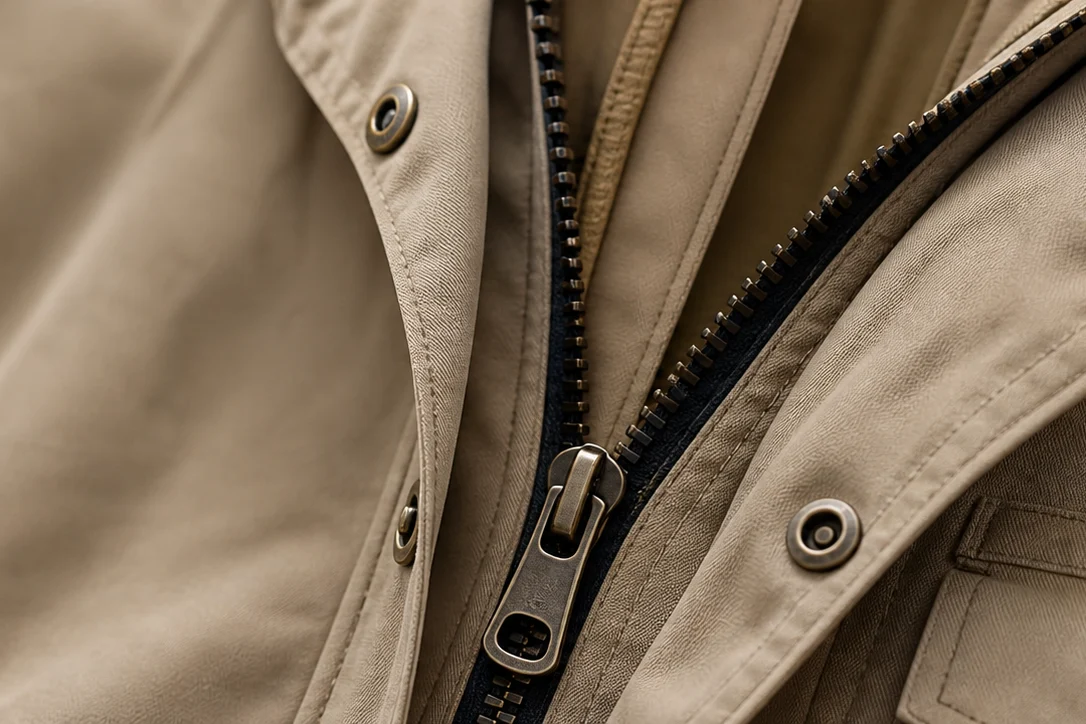
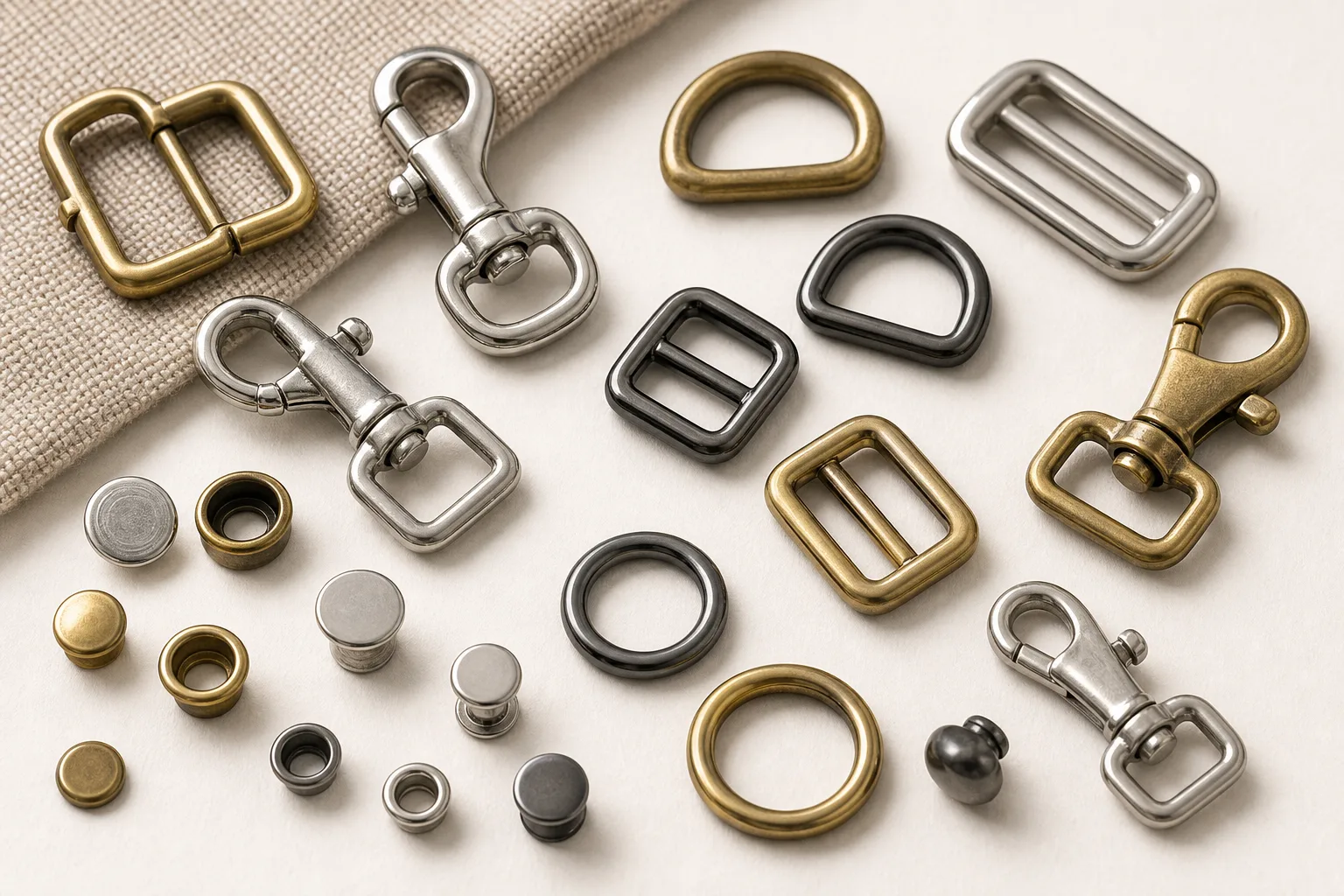
Workwear looks like ordinary apparel and is specified like technical equipment. The two things that most often surprise buyers moving into this category are how aggressive industrial laundering is, and how early a workplace requirement needs to enter the conversation to be met economically.
Industrial laundering is the hard part
Commercial and industrial laundry cycles use higher temperatures, stronger chemistry and more mechanical action than domestic washing, and workwear goes through them repeatedly over a contract life.
This is usually the constraint that decides material and finish. Ask what the laundering regime is before anything else — a garment washed domestically and one processed in an industrial laundry are different specification problems even when they look identical.
Use is heavier and less careful
Workwear hardware is operated with gloves and dirty hands, dragged against surfaces, caught on equipment and loaded in ways the designer did not plan. Parts are opened and closed far more often than in fashion apparel.
Favour simple, robust mechanisms and generous operating clearances. Elegant, tight-tolerance solutions tend not to survive this environment.
Compliance belongs in the enquiry, not the inspection
Some workwear falls under workplace or market requirements covering aspects such as restricted substances, or the behaviour of components in specific hazards. Which requirements apply depends on your market, the job role and the garment claim — that determination is yours to make with your compliance advisers.
What matters for sourcing is that the requirement is stated at enquiry stage. Retro-fitting a requirement after tooling is expensive, and sometimes not possible with the part already chosen. This guide makes no statement about which certifications any particular supplier holds; ask for the specific scope you need and review the documentation against it.
Visibility and snag risk
In some work environments a protruding part is a hazard rather than a feature, and hardware that can catch on machinery is a safety question rather than a durability one.
Where the job role involves moving equipment, review the profile of each part as part of the garment design rather than treating it as a component detail.
Serviceability over the contract life
Workwear is often repaired and kept in service rather than replaced. That makes replaceable hardware and continuity of supply genuine requirements, not conveniences.
Ask early whether the part will remain available for the expected contract duration, and whether a repair can be done with standard tooling. It changes which parts are sensible to design in.
What to specify
Garment type and job role, laundering regime and expected number of cycles, fabric and total thickness at each hardware position, any workplace or market requirement that applies, snag and profile constraints, expected service life and repair expectation, finish, and quantity per size.
State the requirement in terms of the standard or scope you need to meet, rather than asking for documents in general. A specific scope can be reviewed; a general request cannot.
Workwear hardware is decided by the laundry regime and by any requirement the garment must meet, both of which need to be on the table at enquiry stage. Choose simple robust mechanisms, review profiles for snag risk, and confirm availability over the contract life.
 Application Guides
 Application Guides
 Buyer Guides
 Application Guides
 Quality Guides
 Buyer Guides
 Material Guides