
Appearance disputes are the most common kind in hardware, and they are rarely about anyone doing anything wrong. They are about two parties judging a difference in different conditions, against a single reference that never defined how much difference was acceptable.
Why tone moves
Base material lots vary slightly. Finishing baths change as they are used. Process parameters drift within their working range. Each is small; together they produce a visible spread across a long run.
This is normal process behaviour rather than a defect. The question a specification must answer is how much spread is acceptable, not how to eliminate it.
A range, not a target
A single approved sample defines a target but not a boundary. Limit samples — one at each acceptable extreme — define the range, and a part can then be judged in or out rather than argued about.
Producing limit samples takes effort at the start and removes most appearance disputes later. On a programme of any size it repays that effort quickly.
Viewing conditions must be agreed
The same two parts can look identical in one light and different in another, and that effect is stronger between different base materials. Judging in unspecified light guarantees disagreement.
Agree the lighting condition, the viewing distance and the background, and use the same arrangement on both sides. This is the cheapest control available and the most frequently skipped.
Batch matching within a shipment
Parts within one order may come from several batches. If your product presents multiple parts together, they must match each other as well as the reference, which is a stricter requirement.
State whether batch matching within a shipment is required, and whether it extends across the different part types that appear together on the product.
Matching across materials
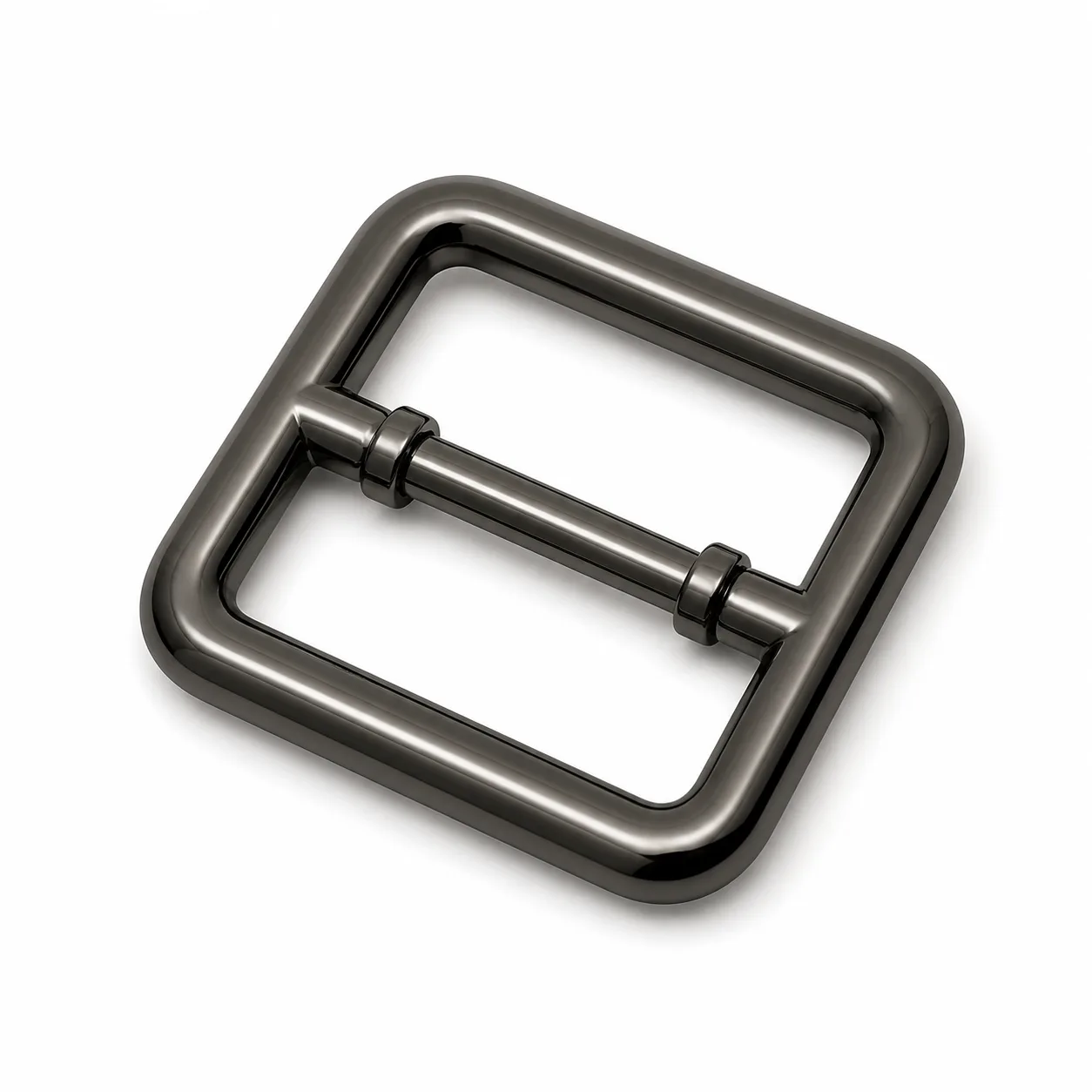
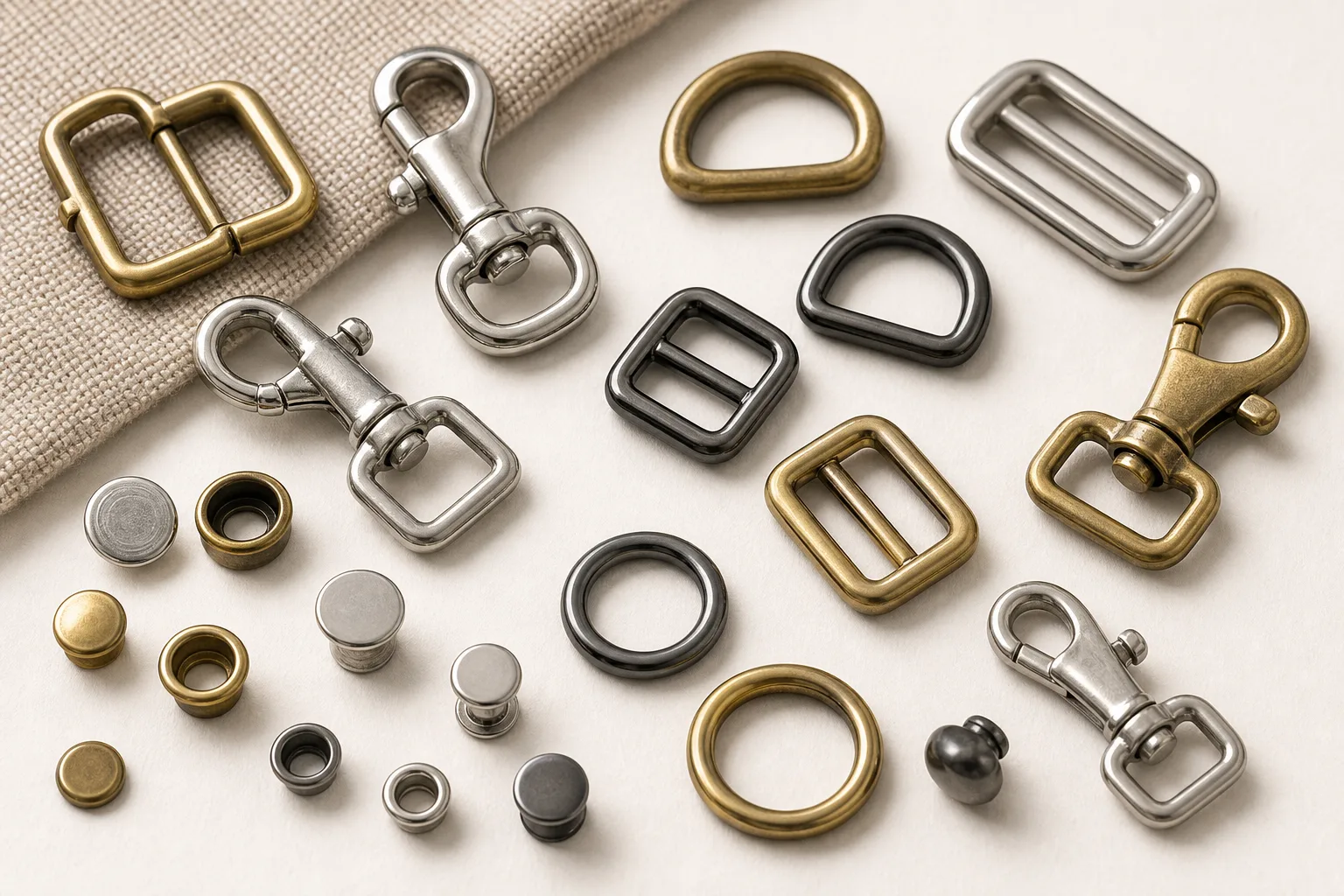
Where a set includes parts in different base materials — a plated zinc buckle beside an anodized aluminium part beside a coated steel component — an exact match is not achievable, because the surfaces behave differently.
Decide early whether to accept a deliberate difference, move all visible parts to one material, or select tones where the difference is least noticeable. Discovering this at approval stage is late and expensive.
What to agree
The sealed reference and who holds it, limit samples defining the acceptable range, viewing conditions, whether batches must match within a shipment, whether matching extends across part types and materials, how long the reference governs, and what happens when a part falls outside the range.
This guide states no numeric colour tolerances, because whether an instrumental tolerance is appropriate depends on the finish and on your own quality system. Where you use one, agree the instrument, geometry and illuminant as well as the number.
Finish consistency is managed by defining a range and a viewing condition, not by demanding an exact match. Agree limit samples and lighting, state whether batches must match each other, and settle cross-material expectations before approval.
 Buyer Guides
 Quality Guides
 RFQ & Sample Guides
 Buyer Guides
 Quality Guides
 Quality Guides
 Application Guides
 Comparison Guides