
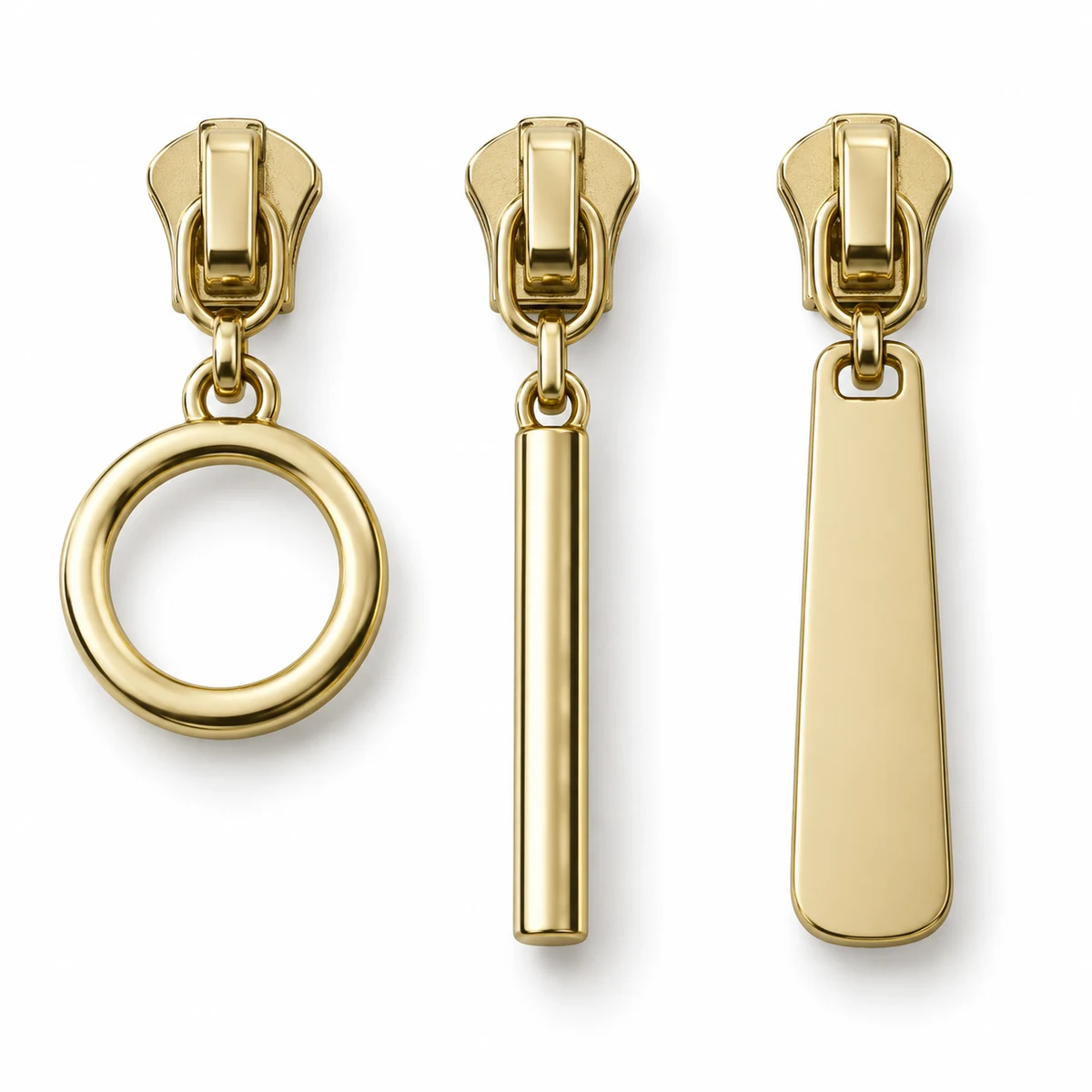
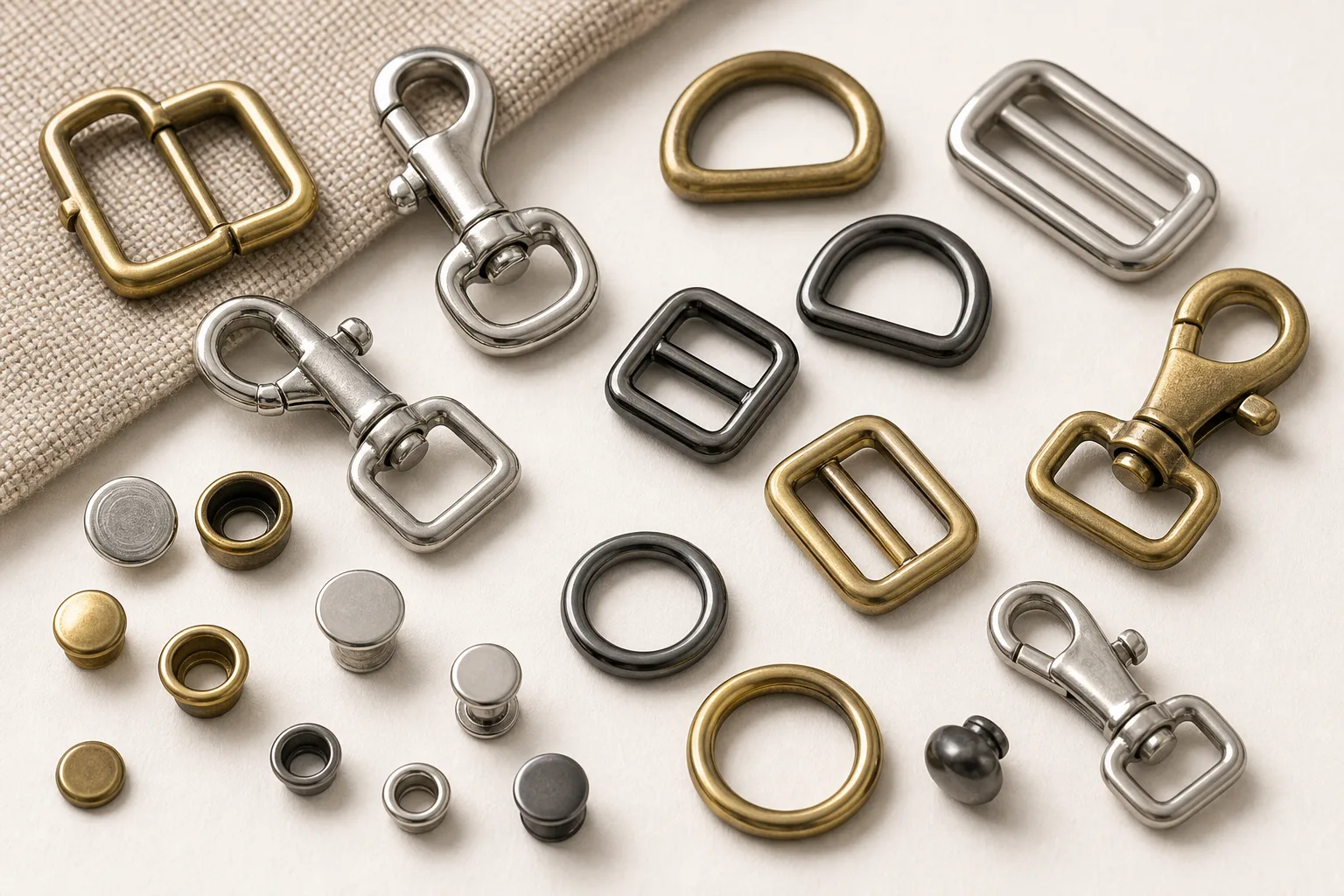
To quote a custom metal zipper puller, specify whether you need a pull tab or a complete slider, provide the mating-slider reference and attachment dimensions, then list the face design, material, finish, artwork variants and quantity per version.
Identify the pull tab and the mating slider
The pull tab is the part held by the user; the slider body travels along the zipper chain. State whether the inquiry is for the decorative tab alone or for the complete slider assembly. A photograph of the assembled zipper, plus front, back and side views of the slider, makes this distinction easier to review.
A request labelled #5 still needs the actual slider reference or a dimensioned attachment drawing. Record the zipper type, supplier or model where known, and the opening or attachment that the tab must fit. Catalogue puller length does not establish that connection.
Dimension the attachment separately from the visible face
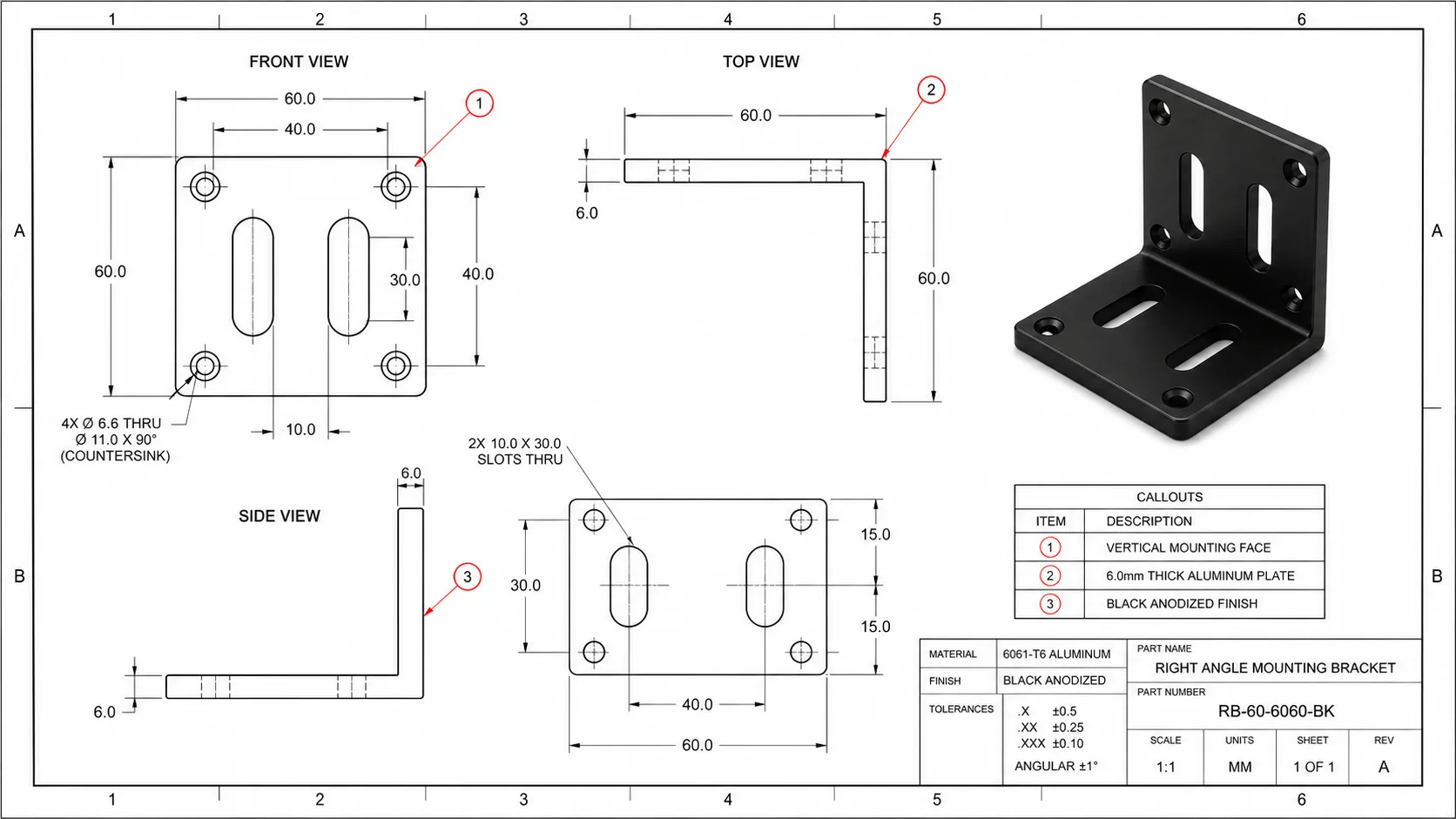
Show overall length, width and maximum thickness, then dimension the inside attachment opening, connecting pin or ring and the clearance around moving parts. Use front, back and side views. State whether dimensions apply before or after finishing, and agree tolerances for the fit-critical dimensions.
For a sculpted shape, identify the overall envelope and thickest section. For a round face, distinguish outside diameter from the usable artwork area. If a reference image and its written dimensions disagree, choose one controlling drawing revision before the quotation or sample is approved.
Choose a catalogue direction without assuming attachment fit
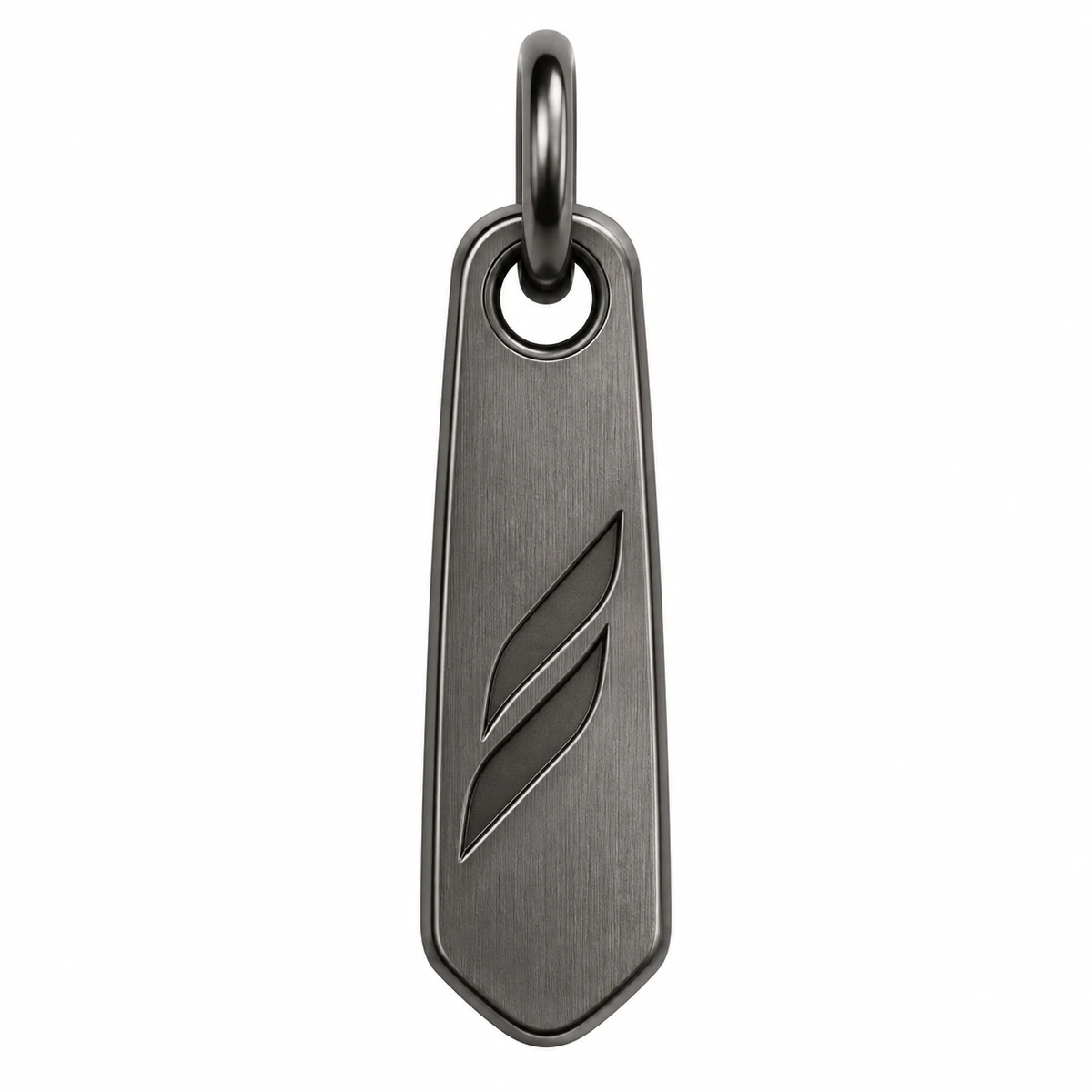
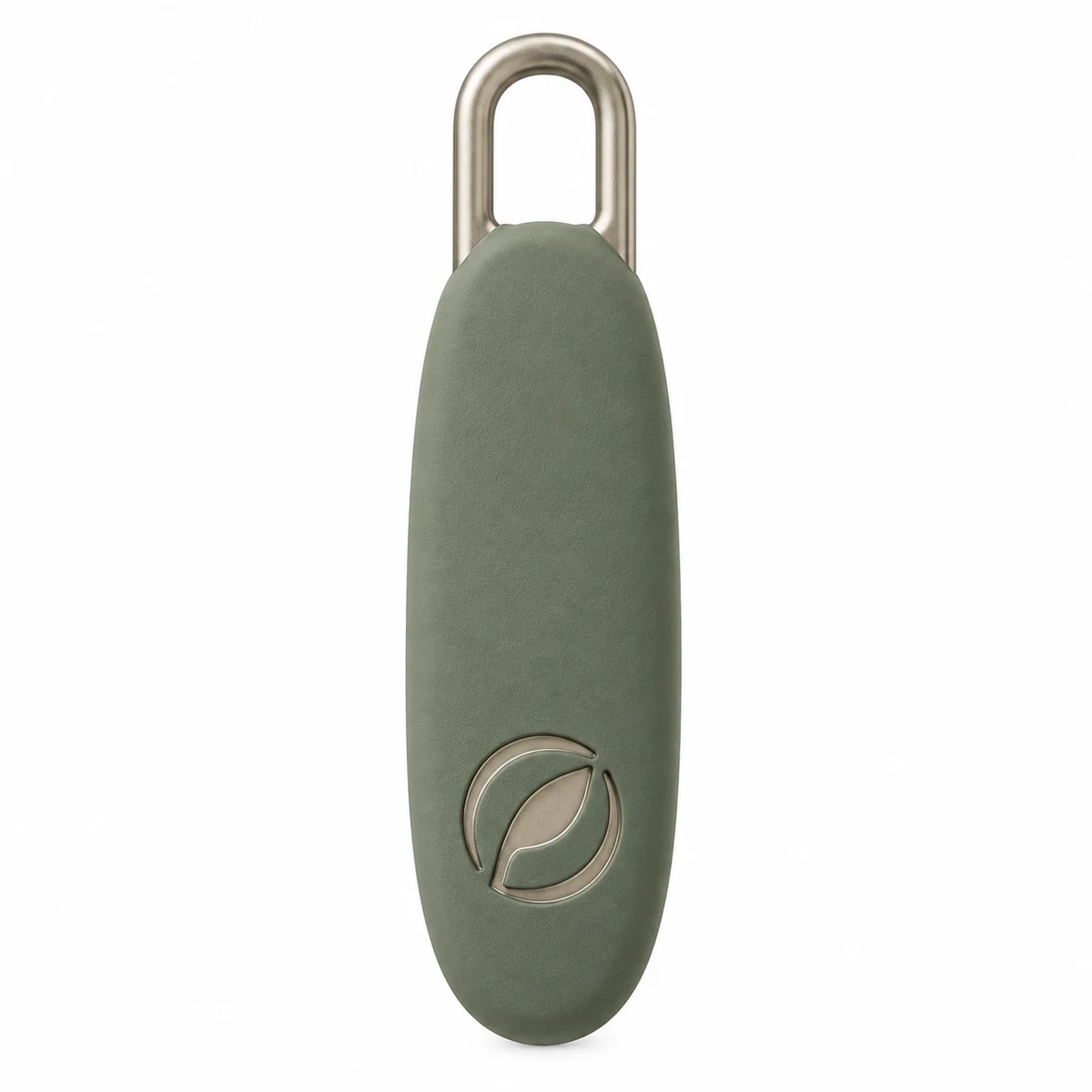
ECO26-B5-021 groups plain ring, bar and long-tab directions. ECO26-B1-018 is a blade-style metal logo puller, while ECO26-B1-021 is a coated metal puller direction. These are starting points for discussing shape and construction; the requested connection, material and finish are reviewed for the selected specification.
When adapting a catalogue direction, mark each change on the drawing: face shape, length, thickness, attachment opening, artwork or surface. Ask which existing tooling can be used and which changes require a tooling review. Do not infer that a similar-looking tab is interchangeable with an existing slider.
Specify base material, colour and surface separately
Name the requested base material independently from the colour and texture. The plain puller catalogue includes zinc-alloy or brass directions; confirm the quoted material for each selected construction. Satin gold describes an appearance target and does not, by itself, specify the coating route.
Provide an approved colour or texture reference where available, identify visible faces and moving contact areas, and ask which process is proposed for that material. Agree any wear, corrosion or restricted-substance requirements and their evidence scope with the quotation. A selection image establishes neither a coating specification nor a test result.
Prepare fixed logos and personalised versions for review
Send vector artwork where available and a preview showing orientation, front or back placement and the usable marking area. Ask which engraving, laser-marking, relief or filled-detail method is suitable for the actual material and face. Review small text and fine lines at the finished size.
For several names or messages, identify each artwork version and its quantity. Keep the common body design separate from the variable marking files so that tooling, artwork preparation and production quantities can be quoted clearly. Use only artwork authorised for the project.
Break the RFQ into quantities, tooling and samples
List quantities per body design, size, material, finish and artwork version. State whether a trial quantity applies to each design or to the combined order. Ask separately about unit pricing, tooling, artwork setup, sample charges, packing and freight.
Provide the mating slider or an assembled reference sample where fit cannot be settled from drawings. Minimum order quantity, sample availability and lead time are confirmed for the reviewed specification. Keep a drawing revision, artwork version and finish reference with the sample approval.
Approve the assembled movement and release action
Review the tab on the intended slider and zipper, including free movement, contact with the surrounding material, attachment security and accessible edges. Some slider locks are operated through the pull tab; include the slider supplier's intended locking and release action in the assembly review.
Agree inspection or testing methods and acceptance criteria for the intended use before approving production. Record which assembled sample was checked and which drawing and artwork versions it represents. Approval of the face appearance alone does not complete the attachment or function review.
Send a dimensioned drawing or reference sample and list the material, finish, quantity and approval requirements. Tooling, sample availability and commercial terms are confirmed after review.
 Buyer Guides
 RFQ & Sample Guides
 RFQ & Sample Guides
 RFQ & Sample Guides
 Buyer Guides
 Buyer Guides
 Buyer Guides
 Buyer Guides
 Buyer Guides