
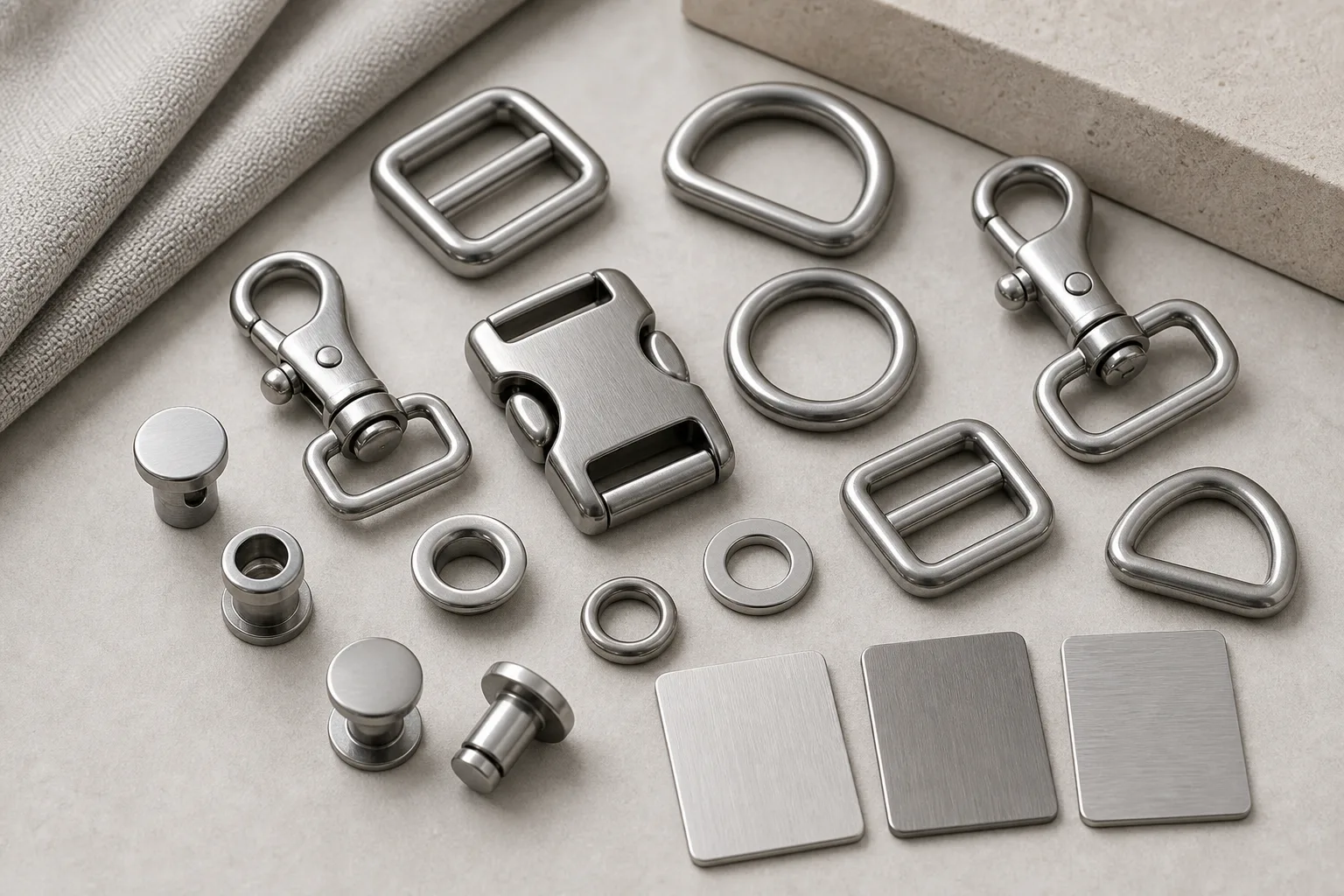
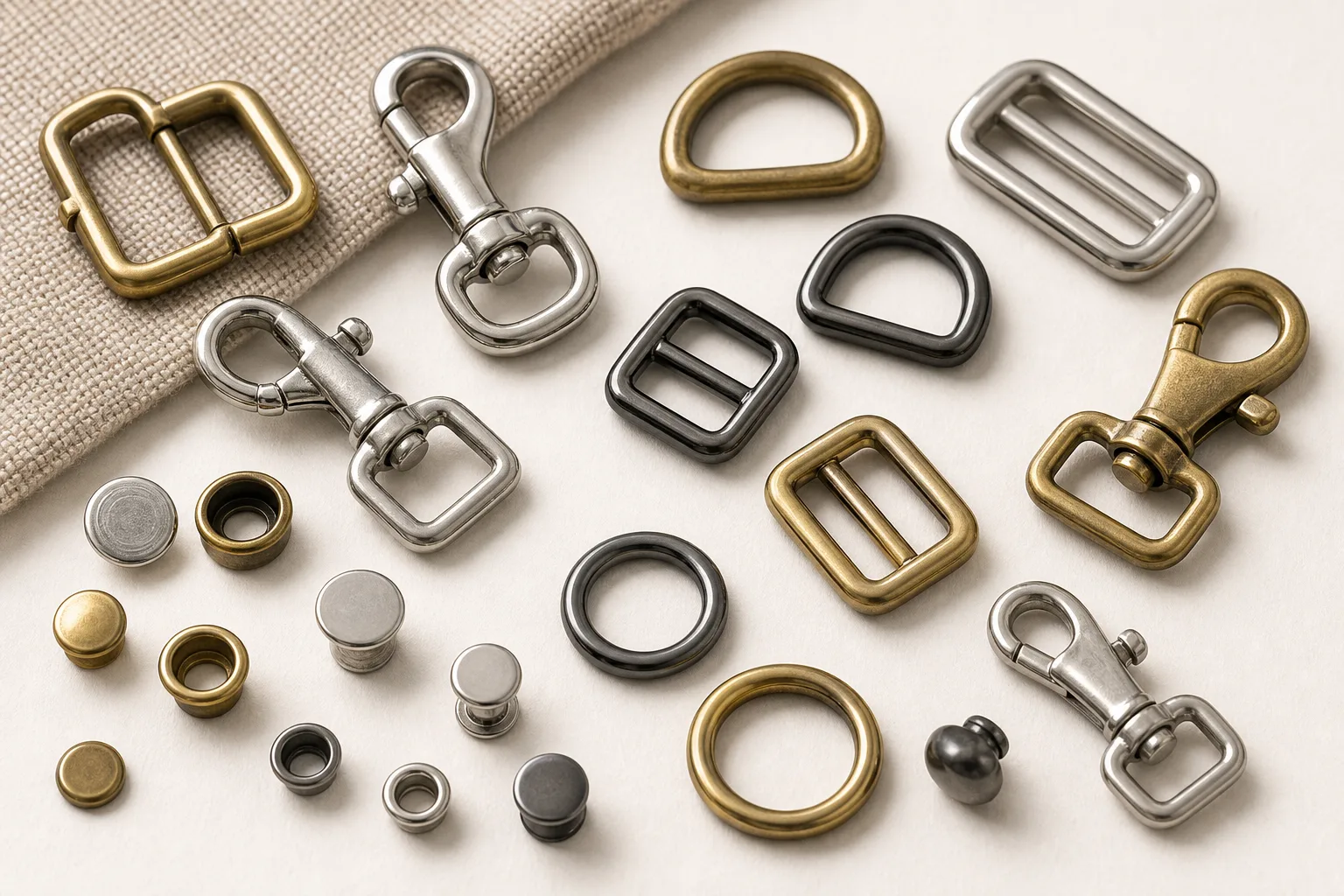
Stainless is the material buyers reach for when corrosion has been a problem, and it often is the right answer. The mistake is treating it as one thing. Writing stainless steel in a specification is closer to writing metal than to naming a material, and the difference between grades is exactly the difference the buyer was trying to buy.
Why the grade is the specification
Stainless grades differ in composition, and that composition determines how they behave in a given environment. Two parts both correctly described as stainless steel can perform very differently in salt air.
Commercially this matters because a quotation against stainless steel is a quotation against whichever grade the supplier finds convenient. Naming the grade makes the quotation comparable and gives you something to hold to.
Resistance that survives damage
The practical advantage over plated materials is that the resistance is a property of the metal throughout the section. A scratch exposes more of the same alloy rather than an unprotected substrate.
That is why stainless is chosen for hardware that is dragged, dropped and abraded while also being exposed — outdoor gear, marine-adjacent products, anything used and stored wet.
Forming and what shapes are practical
Stainless hardware is usually stamped, machined, wire-formed or investment cast. Simple and constant-section shapes are straightforward; sculpted geometry with undercuts is a bigger step than it would be in cast zinc.
If a design was developed around a cast part and is being moved to stainless, expect a design conversation rather than a straight substitution. Ask the supplier which forming route they assume and what it constrains.
Appearance and finish
Stainless has its own tone and is commonly polished, brushed or bead-blasted. It is not a wide decorative palette, and it does not take the antique effects that plated zinc supports.
On products where hardware is functional rather than decorative, that is fine. On a design that wants warm tones or antique effects, stainless is fighting the brief.
Cost, weight and where it belongs
Stainless is generally more expensive per part and denser than zinc alloy, and both accumulate across a hardware set. That is why mixed sets are normal: stainless in the few positions where exposure and load coincide, other materials elsewhere.
Identify those positions explicitly rather than specifying stainless across the whole set. It is usually a small number of parts.
How to specify it properly
Name the grade, describe the environment concretely, state which positions are load-bearing, give the part geometry, state the surface finish wanted, and agree what corrosion testing will be done and against which standard.
This guide does not give corrosion figures for any grade, because results depend on grade, surface condition, geometry and test method together. A figure quoted without all four is not something a buyer can rely on.
Stainless steel is a family of alloys, and the grade is what you are actually buying. Its advantage is resistance that survives surface damage, which is why it belongs in the few positions where exposure and load coincide rather than across a whole hardware set.
 Material Guides
 Material Guides
 Comparison Guides
 Application Guides
 Application Guides
 Quality Guides
 Material Guides